Archive for the ‘Bankruptcy’ Category
6 Things to Do Before You Declare Bankruptcy
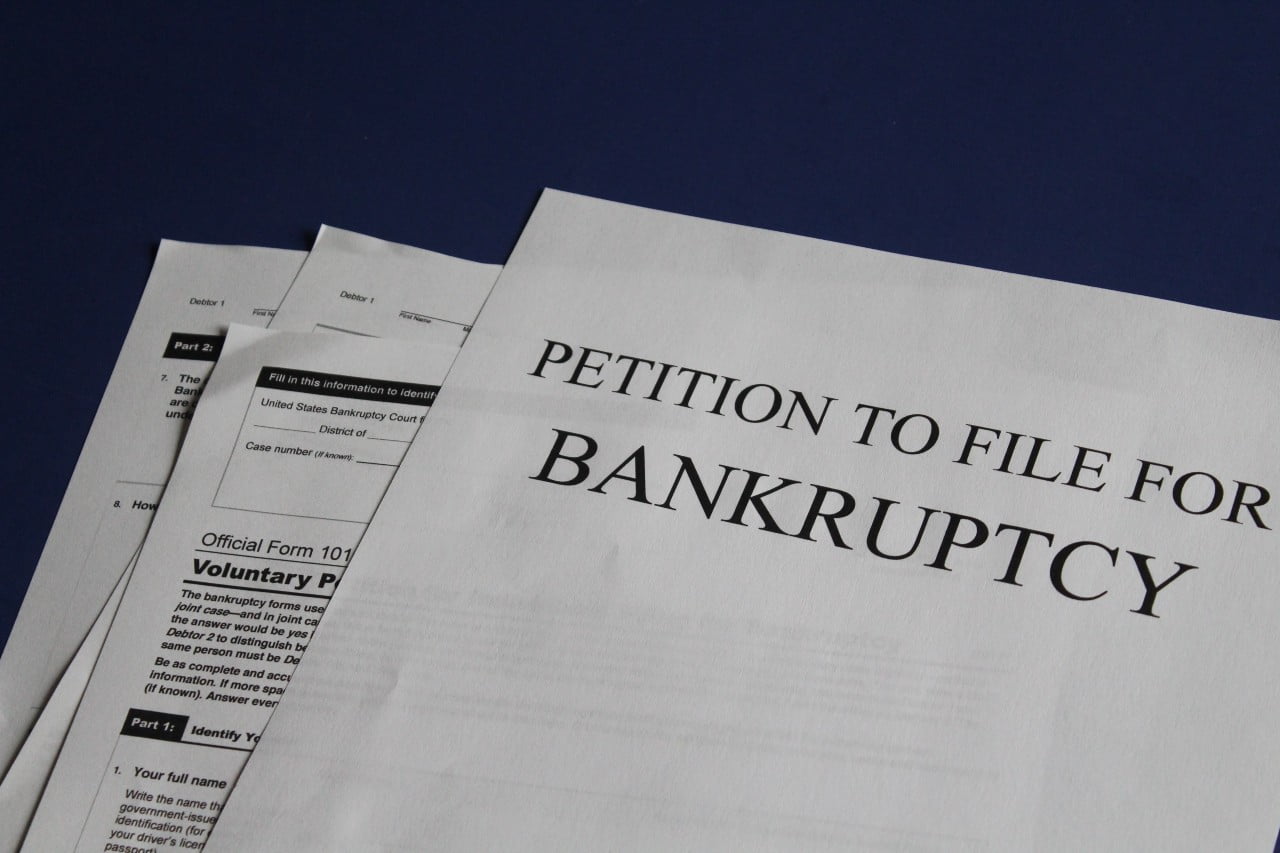
If the effects of the recession are still taking their toll on your finances, you may have declaring bankruptcy so that you can get a fresh start. A record number of 1,530,078 bankruptcies were filed in 2010, an increase of about 9 percent from 2009 and experts expect the numbers to increase even more this year, according to a press release from New Horizon Credit Counseling Services. If you think you may be among these statics for 2011, make sure you’re aware of all of the effects of declaring bankruptcy. Even when filing for bankruptcy makes economic sense in the short-term, it does have a lot of repercussions that can affect your financial situation in the long-term.
Here are six things you need to do before you declare bankruptcy:
- Take a good look at your finances. Even though filing bankruptcy seems like the ultimate “fix” for a bad financial situation, you may be able to find some better, alternative solutions for getting your finances in order. Calculate your net worth and tally up your expenses, income and debts to determine the extent of your financial problems. Sometimes taking a very close look at your finances can help you get a fresh perspective on the situation and help you map out a better plan.
- Notify your creditors and debt collectors. If you do decide to go ahead and file for bankruptcy, you have to notify your creditors and debt collectors that you are doing so. This will stop them from contacting you about your outstanding debt. Take the time to go through your accounts and get in touch with each and every one of your creditors and debt collectors before your bankruptcy petition is filed in court.
- Enroll in a credit counseling course. You will be required to take a credit counseling course from a government-approved counseling agency as part of your bankruptcy filing requirements. Get this done as soon as possible so that you don’t have to worry about it later. Failing to complete this course can delay the filing process and will complicate things. Credit counseling can increase your financial literacy and provide you with some resources and tools to reduce the need for filing bankruptcy again at a later date.
- Hire a good bankruptcy lawyer. Filing for bankruptcy on your own can be a tricky process, and you may not have answers to all the questions you have about this process when you need them. Seek out the help of an experienced bankruptcy attorney who can review your situation and provide some guidance on the whole process. Use the National Association of Consumer Bankruptcy Attorneys’ Attorney Finder tool to find a bankruptcy lawyer in your area. Read How To Find A Great Bankruptcy Attorney
- Keep making payment on any vehicles you want to keep. If you have outstanding car loans, don’t let the loans fall into default or they will be repossessed when you file bankruptcy. Find a way to keep making payments on those loans so that you can keep your vehicle and soon own it as an asset.
- Consider all of the effects of filing bankruptcy. Remember that bankruptcy will stay on your credit report for up to ten years and having this on your record can put you at a disadvantage when it comes to obtaining a home loan, getting a credit card or opening up new lines of credit. Educate yourself on all of the ramifications of filing bankruptcy so that you really are making the best decision for yourself and your family.
Related Questions:
- things to do before you file bankruptcy
- things to do before bankruptcy
- what to do before you file bankruptcy
- how to line myself up before bankruptcy
- bankruptcy things to do before
- things to know before declaring bankruptcy
- things to do before filing for bankruptcy
- effects of declaring bankruptcy
- things to do before filing bankruptcy
- CAN I BUY A NEW KITCHEN BEFORE I DECLARE BANKRUPTCY
- can you file for bankruptcy before you default
- things to do before you declare bankruptcy
Top Reasons Your Bankruptcy Filing May Be Rejected
Whether you’ve lost your job, are carrying an excessive amount of credit card debt, or have big medical bills and are dealing with mounting debt, you may have considered filing for bankruptcy to get a fresh start with your finances.
A recent FindLaw.com survey revealed that one in eight Americans, or 13% of us, have considered filing for bankruptcy protection. And in 2010 alone, 1.5 million U.S. consumers declared bankruptcy, according to the American Bankruptcy Institute.
While filing for Chapter 7 or Chapter 13 bankruptcy can be a way to help you reduce unmanageable debts, not everyone’s case is accepted by bankruptcy courts.
Your bankruptcy filing can be rejected for a number of reasons – often due to mistakes or omissions in your paperwork. That’s why it’s important to educate yourself on the rules and limitations of each type of bankruptcy, and also to consider working with an experienced bankruptcy attorney to assist you with the process.
Here are a few reasons why your bankruptcy filing could be rejected:
1. You don’t pass the “means” test in court.
In order to initially qualify for a Chapter 7 bankruptcy, where most of your unsecured debts are eliminated – or “discharged” in legal speak – you must pass a “means” test imposed by the court. In a nutshell, a means test is a way for the court to determine how much disposable income you have. If you’re deemed to have too much money, a court may reject your Chapter 7 bankruptcy request.
A good attorney should be able to review your situation and provide you with a free, initial consultation, including advising you whether or not you’ll likely qualify for Chapter 7. If you don’t qualify, or if your bankruptcy petition is rejected because you don’t pass the means test, you can still consider filing Chapter 13.
2. You fail to provide requested tax documents or show up at the creditor meeting.
To get bankruptcy protection, you’ll need to provide a series of financial documents to support your case and prove that you really don’t have the money to pay all your creditors. Among those documents are your income tax returns.
The court may reject or “dismiss” your bankruptcy case if you misrepresent your tax information or fail to provide tax documents altogether. In years past, you didn’t have to file tax records in order to pursue bankruptcy. But ever since bankruptcy reform passed in 2005, this has become a requirement.
With a Chapter 13 bankruptcy, you must file all tax returns for the four years prior to your bankruptcy filing. If you don’t supply the court with your tax records, your Chapter 13 repayment plan will not be approved. In Chapter 7 bankruptcy cases, you must also provide requested tax documents to the court, or else your debts won’t be eliminated.
For many people, the requirement to file your taxes is increasingly a barrier to getting a bankruptcy discharge, especially in this tough economy where many individuals may not have filed their taxes for a variety of reasons.
Exactly when you have to submit your tax records – and to whom – can vary from state to state. In my home state of New Jersey, for example, you don’t have to file tax returns with the bankruptcy court. But you do have to provide your tax records to the appointed trustee.
In the Garden State, your tax returns should be supplied to the trustee in either a Chapter 7 or Chapter 13 case within seven days of the so-called “341 meeting of creditors.” In layman’s terms, that’s the get-together you must have with the bankruptcy trustee and your creditors where you answer questions under oath about your assets and liabilities. You’re required to attend that meeting. If you don’t show up, your bankruptcy petition can be dismissed.
Although this meeting may sound intense, consumers and bankruptcy attorneys say it’s not that eventful. Creditors usually don’t show up at all, mainly because most people seeking bankruptcy protection are broke and don’t have any major assets. If you have a lawyer, he or she will attend the meeting with you. During the meeting, you’ll mainly be asked – by the trustee – to confirm your identity, show your tax returns, and verify the basic information shown in your bankruptcy filing. The whole process typically takes five to 10 minutes.
Since this creditor meeting usually takes place about a month after your bankruptcy petition is first filed, if you want to prevent tax issues from blocking your bankruptcy case from proceeding, it’s always best to have your tax returns completed before you seek bankruptcy protection.
Read the rest of Lynnette’s article on WalletPop
Related Questions:
- quit job file bankruptcy
- bankruptcy quit job
- bankruptcy rejected
- how can you be turned down for bankruptcy
- quitting job to file bankruptcy
- quitting job bankruptcy
- quitting job to qualify for chapter 7
- quit job to file for bankruptcy
- quit job qualify for chapter 7
- quitting job on purpose to file bankruptcy
- quit job file chapter 7
- quit job to qualify for chapter 7 bankruptcy
6 Tips for Finding a Good Bankruptcy Attorney
Filing for bankruptcy can be a complicated and stressful process, and if you make certain bankruptcy blunders, you have a high chance of having your case rejected by the court. So it’s usually in your best interest to work with an experienced bankruptcy attorney who can explain to you the basics about Chapter 7 or Chapter 13 bankruptcy.
Good bankruptcy attorneys can advise you about all the necessary documentation and paperwork you need to support your case, they know local court rules and procedures, and they can answer any critical questions you may have about the process along the way.
But since bankruptcy lawyers don’t come cheap, it’s important to work with an experienced yet affordable attorney who can really help you work through this process and achieve your goal of getting out of debt. If you’re considering filing for bankruptcy protection, use these six tips to find a qualified and experienced bankruptcy attorney:
1. Look online for attorneys who specialize in bankruptcy.
Bankruptcy attorneys typically have much more experience in this area than lawyers who specialize in a different area or multiple areas. Review the attorney’s website to find out where he or she went to school, how long they’ve has been practicing in the field of bankruptcy law, and how big or small a support staff/office the individual has. If the person is certified by the American Board of Certification (and most bankruptcy attorneys aren’t), that’s a big plus because it means the lawyer is a specialist in the field and has proven expertise in bankruptcy law.
2. Weigh the advantages and drawbacks of different types of law firms.
There are various pros and cons to going with an attorney from a large bankruptcy firm vs. someone from a smaller firm. Bigger firms with lots of lawyers may (or may not) charge higher fees, but then again, they may (or may not) have more experienced attorneys who really know their way around your local court system.
Smaller firms may (or may not) provide you with a bit more hand-holding through the process; the flip side is that those attorneys may (or may not) be less experienced. It really all depends on the specific attorney handling your case. Plus, many attorneys rely heavily on paralegals and clerks to assist them.
In either scenario – working with someone from a large or small law firm – it’s possible to feel a bit “lost in the shuffle” if the lawyer you select is very over-worked. That’s a distinct possibility considering that bankruptcy filings are on the rise. In 2010 alone, 1.5 million Americans declared bankruptcy. Also, the American Bankruptcy Institute predicts bankruptcies will continue to climb in 2011.
Read the rest of Lynnette’s article on WalletPop.
Related Questions:
My ex-spouse took the house during our divorce and filed for bankruptcy. Do I owe taxes on the forgiven debt
Q: I received a 1099-c form from the mortgage company I used to have a loan with. My ex-wife and I were both on the mortgage. She took the house in the divorce and never got my name off of the loan. She then filed bankruptcy. I received the 1099c form that simply showed the amount of debt forgiven and the reason being bankruptcy. I never personally filed bankruptcy. Do I owe taxes on this forgiven debt?
A: Since this is such a specialized tax matter, we asked CPA Gregory Lauray for his advice. Here’s what he had to say:
Lenders are generally required to report any debt forgiveness on form 1099-c, however, debt forgiveness income is determined by the existence of certain circumstances. Debts forgiven pursuant to a bankruptcy action are not considered taxable income. However, the debtor must reduce certain tax attributes (i.e. net operating loss carryovers, carryovers of general business credits, capital loss carryovers and etc.) in the amount of the debt forgiven. In effect, this means that the bankrupt individual will pay the taxes on the debt forgiven by either losing certain tax benefits and/or increasing gains on certain assets if they’re sold later. The divorce effectively makes this your ex-wife’s debt forgiveness since she effectively assumed the mortgage pursuant to the divorce decree. You’ll want to be ready to prove that if the question arises.
Gregory K. Lauray & Co., P.A. assumes no liability for reliance on these information as we don’t know your circumstances nor the completeness of the fact situations presented, both of which could alter responses. Always consult a qualified tax professional about your specific tax situation.

Related Questions:
- 1099-c divorce
- divorced spouse cancellation of debt
- can filing bankruptcy get your name off a house loan after divorce?
- mortgage assumption after ex spouses bankruptcy
- wife filed bankruptcy but wife and i have a house loan
- 1099c divorce
- 1099c received for ex-spouse loan
- divorced and ex is filing bankruptcy but my name is on the mortgage
- what if my ex wife doesn\t get my name off of the house
- can my ex-husband file bankruptcy on our house
- i am in bankruptcy and need to get ex name of house
- i owe husband for house in divorce
If I File For Bankruptcy And Change My Mind, What Will Happen To My Credit Score
Q: If I change my mind and decide not to file for bankruptcy, how should I make the 3 credit agencies aware of what I’ve done and will this weigh heavily on my credit score?
A: The current status of your bankruptcy should be reflected on your current credit reports from the credit agencies (including Equifax, Experian and TransUnion). It may take 30 days or so to be updated, but they should have received notice from the bankruptcy court about the change in status of your bankruptcy petition – i.e. that it was canceled or “dismissed”.
Read: How To Compare TransUnion, Experian and Equifax Credit Reports
Although a bankruptcy is a way of you legally discharging your debts, it is also perhaps the single-most negative mark you can have on your credit. Bankruptcies generally remain on your credit report for 10 years. After that time, they should drop off your credit file and have no impact on your credit score. Note that, according to Fair Isaac (the company that created the FICO credit score), a bankruptcy that is “Dismissed” does not lower your FICO score. This is because a “Dismissed” bankruptcy does basically wipe the slate clean, and is regarded from credit-scoring firms as if the bankruptcy never happened.
For those who have filed bankruptcy, check your credit reports from Equifax, Experian and TransUnion. (You can get each report free at AnnualCreditReport.com). On your credit reports, you will find your bankruptcy status under a reference to its “Disposition.” Check that the “Date Filed” for any bankruptcy is accurate. This matters greatly for your credit rating because the more recent a bankruptcy occurred, the more it will negatively impact your credit rating. Lastly, while other details about a bankruptcy – such as the court involved, the case number, or the type of bankruptcy filing (Chapter 7 or Chapter 13) – do not impact your credit score, you should nevertheless try to ensure that this data is also reported correctly.

Related Questions:
- remarks >bankruptcy dismissed< on credit file
- can i change my mind about bankruptcy if file
- if i file for bankruptcy can i change my mind
- what happens when you file bankruptcy then change your mind
- what happens if I drop bankruptcy
- can i change my mind after i file for a petition in bankruptcy
- if i file bankruptcy what will happen to my credit
- if i file bankruptcy can i change my mind?
- if I file bankruptcy can I change my mind before its final?
- If I file bankruptcy and change my mind will it still effect my credit?
- if I file for bankruptcy than change my mind does my credit still reflect a bankruptcy
- if I file for bk can I change my mind