
Posts Tagged ‘Interest rate’

How to Pick a Proper Debt Payoff Strategy

Credit Cards

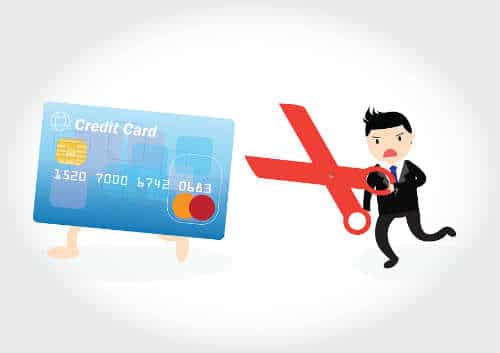
Trying to dig out of credit card debt can often feel like treading water. Although you’re making those payments every month, you still can’t seem to get ahead. Unfortunately, lots of you grappling with credit card bills thwart your efforts to become debt-free by making a huge financial mistake: even though you barely see your balances budge, you continue to pay off their credit cards with the highest interest rate first, under the assumption that doing so is always the best way to have zero debt. In reality, nothing could be farther from the truth.

I know this is going to sound like financial heresy to many of you. After all, every personal finance book you’ve read and every financial expert you’ve heard discuss this subject has said the same thing: pay off high interest rate debt first. Well, I hate to shock you, but there’s a huge problem with this age-old advice: it doesn’t work for most people. Even worse, following this well-intentioned but misguided advice could cost you money, damage your credit rating, and put your financial health at risk in unintended ways.

Let me first explain why the oft-heard admonition to focus on your high interest rate debt is wrong-headed. Then I’ll tell you a better way to prioritize your debts and choose the most effective method way to pay off your credit card bills. Trust me: when you’re done reading this section, you may have an “Aha” moment about why you haven’t been able to pay down your credit cards bills faster.

Four Enormous (and Wrong) Assumptions

When personal finance gurus advise you to pay off high interest rate debt first, they are making the assumption that:

  • the interest rates on your credit card are high
  • you are bothered by your credit card interest rates
  • this strategy is the fastest route to paying off your debts
  • you’ll save the most amount of money by using this technique

These are four enormous assumptions. Unfortunately, for millions of Americans who are deep in debt, these suppositions are flat-out wrong. Here’s why. Read the rest of this article for free on the Zero Debt Online Course.

Related Questions:

How to Negotiate With Creditors – One Hour Audio Download

There comes a point in most people’s lives when they slip up with their credit cards. Maybe you forgot to pay a bill on time and got hit with a late fee. Or perhaps you fell on hard times, and got several months behind on your debts. What should you do when you want to re-establish your good name, pay off debts, and improve your credit standing? Chances are, you’ll have to negotiate with your creditors. Negotiating with institutions you owe is more art than science. But there are some proven negotiation strategies and techniques you must know in order to save yourself hundreds, if not thousands, of dollars.

In this session you’ll learn:

  • What re-aging is, its benefits, and how to get a creditor to re-age your account
  • How and when to ask a credit card company to un-rate your account
  • How to legally buy time paying a bill or possibly even eliminate the need to pay the debt
  • How to avoid over-the-limit fees or have them eliminated
  • How to get interest rates lowered
  • How to get late fees waived and late payments removed from your credit file
  • What requests to make over the phone and when to send letters to your creditors
  • Why it may be smart to get the due date on your credit card changed and how to do it
  • The 5 times you should ALWAYS pick up the phone and call your credit card company
  • How to protect your credit rating when you don’t pay a bill and MORE!

Length 60 minutes
Download Now for $5.99

Related Questions:

Get Free Financial Advice

Enter your email address:

Delivered by FeedBurner

Follow The Money Coach
Disclaimer

All information on this blog is for educational purposes only.  

Lynnette Khalfani-Cox, The Money Coach, is not a certified financial planner, registered investment adviser, or attorney.

If you need specialty financial, investment or legal advice, please consult the appropriate professional.

Per FTC guidelines, this site may accept advertising, affiliate payments or other forms of compensation from companies mentioned.

Details of any products, services, prices or offers highlighted on this site may change, so check with the company or provider for up-to-date terms.