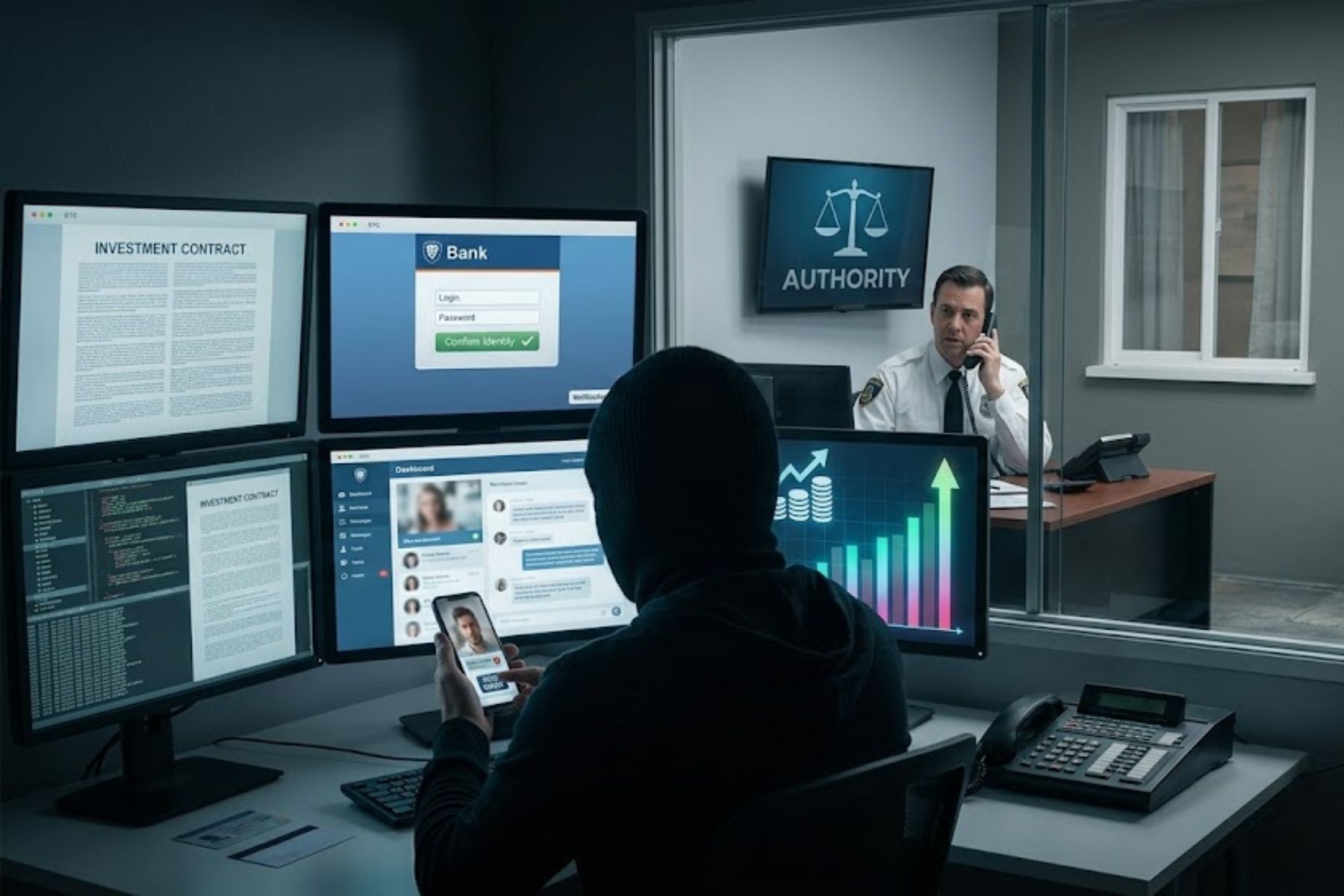
Financial scams are no longer just about stolen wallets or mysterious charges on a credit card statement. Today, these scams are sophisticated, psychological, and often powered by advanced technology like artificial intelligence. According to data from the Federal Trade Commission and the FBI, consumers lose billions of dollars every year to coordinated fraud schemes.
Understanding how these scams operate is the first step toward protecting your wealth. This guide explores the most common categories of financial fraud targeting consumers today. For a deeper look at the fundamental principles of fraud prevention, please read our foundational guide: Avoid This Scam: How to Recognize Financial Fraud Before It Costs You Money.
1. Impersonation Scams
Impersonation scams are currently the most reported form of fraud. The scammer pretends to be someone you trust: a government official, a bank representative, or even a family member.
They often use “spoofing” technology to make your caller ID show a legitimate name or number. A common scenario involves a caller claiming to be from a government agency, such as the IRS or the Social Security Administration. They might tell you that your Social Security number has been suspended or that you owe back taxes and face immediate arrest.
Trust Check
Legitimate government agencies will never call, text, or email you to demand immediate payment via gift cards, wire transfers, or cryptocurrency. If you receive an unexpected “official” contact, hang up and call the agency directly using a phone number from their official website.
2. Investment and Cryptocurrency Scams
Investment fraud often targets your desire for financial growth. These scams promise high, “guaranteed” returns with little to no risk.
In a typical investment scam, a fraudster might promote a fake AI trading platform or a new cryptocurrency that is “guaranteed to moon.” They may use deepfake videos of well known celebrities or financial experts to build false credibility. Once you deposit funds into their platform, you might see “profits” on a fake dashboard, but you will never be able to withdraw your money.
3. Romance and Relationship Scams
Romance scammers play the long game. They build emotional connections over weeks or months on dating apps or social media. Once they have gained your trust and affection, they invent a crisis.
Common stories include a sudden medical emergency, a legal problem while traveling abroad, or a “can’t miss” investment opportunity they want to share with you. These scammers are masters of manipulation, and they often target individuals who are recently widowed or going through a difficult life transition.
Red Flag
If someone you met online professes deep feelings quickly but always has an excuse for why they cannot meet in person or join a video call, exercise extreme caution. Never send money or share financial details with someone you have not met in the physical world.
4. Phishing, Smishing, and Vishing
These are digital traps designed to steal your credentials.
- Phishing: Fraudulent emails that look like they are from your bank or a service like Netflix.
- Smishing: Fraudulent text messages, often claiming there is a problem with a delivery or a suspicious login.
- Vishing: Voice-based scams where a caller tries to trick you into revealing personal data.
These messages usually contain a link to a fake website that looks identical to the real one. When you “log in” to resolve the issue, the scammer captures your username, password, and two-factor authentication codes.
5. Lottery and Sweepstakes Scams
The premise is simple: you have won a large prize, but you must pay a “processing fee” or “taxes” before you can claim it. You might receive a professional-looking letter or an official-sounding phone call congratulating you on a win from a lottery you never even entered. If you pay the fee, the scammers will often come back with a new “unforeseen” cost, continuing the cycle until you stop paying.
6. Fake Check Scams
This scam relies on the fact that banks often make funds from a deposited check available before the check actually clears.
A scammer might send you a check for $5,000 as part of a “mystery shopper” program or an overpayment for something you are selling online. They will ask you to deposit the check and then wire back $1,000 for “supplies” or to “return the overage.” Days later, the bank discovers the check is counterfeit. The $5,000 is removed from your account, but the $1,000 you wired is gone forever.
7. Tech Support Scams
You might see a startling pop-up on your computer screen claiming it is infected with a virus. The message provides a “support” number to call immediately.
The person on the other end will ask for remote access to your computer to “fix” the problem. Once they have access, they may install malware to steal your passwords or show you “evidence” of issues that don’t exist to sell you expensive, useless software.
8. Debt Relief and Credit Repair Scams
These scammers target people who are struggling with debt or trying to improve their credit scores. They promise to negotiate with creditors to erase your debt for a small upfront fee. In reality, they often do nothing, leaving you even deeper in debt and potentially in legal trouble with your original lenders.
If you are looking for legitimate help, consider visiting our resources on financial coaching or IRS tax support.
9. Job and Employment Scams
Fake job listings are becoming more common on reputable job boards. You might be offered a “work from home” position with high pay for minimal effort.
The “hiring process” usually involves sending you a check to buy equipment. Just like the fake check scam, you are asked to send the “remaining funds” back to a “vendor.” Alternatively, they may use the “onboarding” process to steal your Social Security number and bank account information for identity theft.
10. AI-Powered Fraud Trends
As we move further into the decade, artificial intelligence is making scams harder to detect. Scammers can now use AI to clone the voice of a loved one. You might receive a call that sounds exactly like your child or grandchild claiming they are in trouble and need money immediately. Always have a “safe word” or a specific question only your family member would know the answer to for these situations.
Recovery Roadmap: What to Do If You Have Been Scammed
If you realize you have been targeted by a scam, you must act quickly to minimize the damage.
- Stop Communication: Immediately cut off all contact with the scammer. Do not tell them you know they are a scammer; just stop responding.
- Contact Your Bank: Call your bank or credit card issuer immediately. Report the fraudulent transaction and ask to freeze your accounts or issue new cards.
- Secure Your Accounts: Change the passwords for your email, banking, and social media accounts. Enable multi-factor authentication (MFA) using an app rather than SMS if possible.
- Protect Your Identity: Place a fraud alert or a credit freeze on your files with the three major credit bureaus: Equifax, Experian, and TransUnion.
- Document Everything: Keep copies of emails, texts, receipts, and phone logs. This documentation is essential for reporting the crime.
How to Report Financial Scams
Reporting a scam helps law enforcement track trends and take down fraudulent operations. Use these official resources:
- Federal Trade Commission (FTC): Report fraud at ReportFraud.ftc.gov.
- FBI Internet Crime Complaint Center (IC3): For online or cyber-enabled scams, file a report at IC3.gov.
- IdentityTheft.gov: If your personal information was stolen, the FTC provides a personalized recovery plan here.
- Consumer Financial Protection Bureau (CFPB): You can submit a complaint about financial products or services at consumerfinance.gov.
FAQ: Frequently Asked Questions About Financial Scams
How can I tell if a call from my bank is real?
If a caller asks for your full password, PIN, or a one-time passcode sent to your phone, it is a scam. Banks will never ask for this information over the phone. Hang up and call the number on the back of your actual debit or credit card.
Are gift cards a legitimate way to pay government fees?
No. No legitimate government agency or utility company will ever ask for payment via gift cards. This is a 100% certainty that the request is a scam.
Can a bank reverse a wire transfer if I was scammed?
Wire transfers are like sending cash. Once the money is picked up or deposited, it is very difficult and often impossible to recover. This is why scammers prefer this method.
Why did my bank let a fake check “clear” in my account?
Federal law requires banks to make funds available quickly. However, the bank has not fully “cleared” the check until it has successfully collected the funds from the issuing bank. This process can take several days or even weeks.
How do scammers get my phone number or email?
Most information is gathered from data breaches, public social media profiles, or “marketing lists” sold on the dark web. Using a call-blocking app and keeping your social media accounts private can help.
What is a “mule” in a financial scam?
A money mule is someone who receives and transfers stolen money on behalf of a scammer. Often, the mule does not realize they are committing a crime, but they can still face serious legal consequences.
Can I get my money back from a cryptocurrency scam?
Cryptocurrency transactions are permanent and decentralized. While there are specialized firms that claim they can “recover” crypto, many of those firms are actually second-stage scams. Be extremely wary of “recovery specialists.”
Is it safe to click on links in texts from delivery companies?
If you are expecting a package, go directly to the official website of the carrier and enter your tracking number there. Avoid clicking links in unsolicited texts, as they often lead to phishing sites.
What is the “Grandparent Scam”?
This is a form of impersonation fraud where a scammer calls an older adult pretending to be a grandchild in legal or medical trouble. They rely on panic to get the victim to send money quickly without verifying the story.
How does a “Pump and Dump” scheme work?
Scammers buy a cheap, low-volume stock or crypto token and then spread fake “hype” to drive the price up. Once unsuspecting investors buy in, the scammers sell their shares, causing the price to crash and leaving others with worthless assets.
Should I pay for a service that promises to fix my credit score overnight?
No. No one can legally remove accurate negative information from your credit report. Legitimate credit repair takes time and consistent financial habits.
What is “vishing”?
Vishing, or voice phishing, is when scammers use phone calls or voice messages to trick people into giving up personal and financial information. They often use AI to sound more convincing.
Avoid This Scam™ is the consumer protection and scam awareness desk of AskTheMoneyCoach.com. We help readers recognize, avoid, and respond to financial scams, fraud, identity theft, deceptive business practices, and online threats.
Our coverage includes scam alerts, fraud prevention strategies, consumer advocacy, practical safety guides, and expert analysis designed to help individuals and families protect their money, personal information, and financial well-being. We also explain what to do if you’ve already been targeted, because knowing how to respond can be just as important as avoiding a scam in the first place.