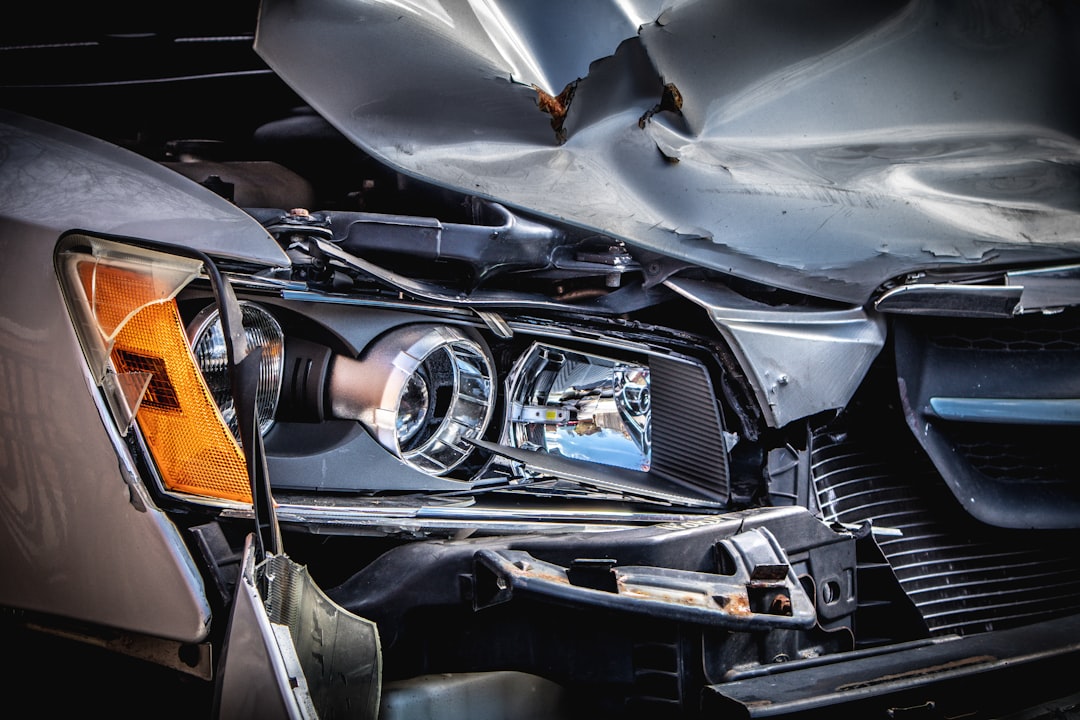
Understanding your insurance coverage is crucial when navigating the aftermath of an accident. Insurance policies can be complex, filled with jargon and fine print that can leave many policyholders feeling overwhelmed. At its core, your auto insurance typically includes several key components: liability coverage, collision coverage, comprehensive coverage, and uninsured/underinsured motorist coverage. After an accident, knowing these components can help you understand your options better.
Liability coverage is essential as it protects you if you are found at fault for an accident, covering damages to the other party. Collision coverage, on the other hand, helps pay for repairs to your vehicle regardless of fault, while comprehensive coverage protects against non-collision-related incidents like theft or natural disasters. To fully grasp your insurance policy, it’s important to review your declarations page, which summarizes your coverage limits and deductibles.
After an accident, it is vital to know what your insurance covers to avoid surprises during the claims process.
Take note of any exclusions or limitations that may apply. For instance, some policies may not cover certain types of damage or may have specific requirements for repairs. Understanding these details can empower you to make informed decisions when filing a claim or seeking repairs after an accident.
Ensure that you are aware of what your policy covers specifically after an accident, as this can greatly affect your financial responsibilities.
If you find the language confusing, don’t hesitate to reach out to your insurance agent for clarification; they can help demystify the terms and ensure you know what to expect.
Key Takeaways
- Understanding your insurance coverage is crucial to knowing what benefits you are entitled to after an accident.
- Documenting the accident with photos, witness statements, and police reports can help support your insurance claim.
- Choosing a reputable and trustworthy repair shop is important to ensure quality repairs to your vehicle.
- Explore rental car options provided by your insurance policy to have a temporary vehicle while yours is being repaired.
- When dealing with the insurance company, be sure to communicate clearly and keep records of all conversations and correspondence.
Documenting the Accident
Documenting the accident is a critical step that can significantly impact the outcome of your insurance claim. After ensuring everyone is safe and calling emergency services if necessary, begin gathering evidence at the scene. This includes taking photographs of the vehicles involved, any visible damages, and the surrounding area.
After an accident, documenting the details accurately can support your insurance claim and expedite the process.
Capture multiple angles and close-ups to provide a comprehensive view of the incident. Additionally, note the time, date, and weather conditions, as these factors can play a role in understanding the circumstances of the accident. In addition to photographs, collecting witness statements can bolster your case.
If there are bystanders who saw the accident occur, ask for their contact information and a brief account of what they witnessed. This information can be invaluable when dealing with insurance companies or if legal action becomes necessary. Furthermore, make sure to exchange information with the other driver(s) involved, including names, contact details, insurance information, and license plate numbers.
Keeping a detailed record of all interactions and documentation will serve you well as you navigate the claims process.
Choosing a Repair Shop
Selecting a repair shop after an accident can be overwhelming, but doing your research can lead to better outcomes.
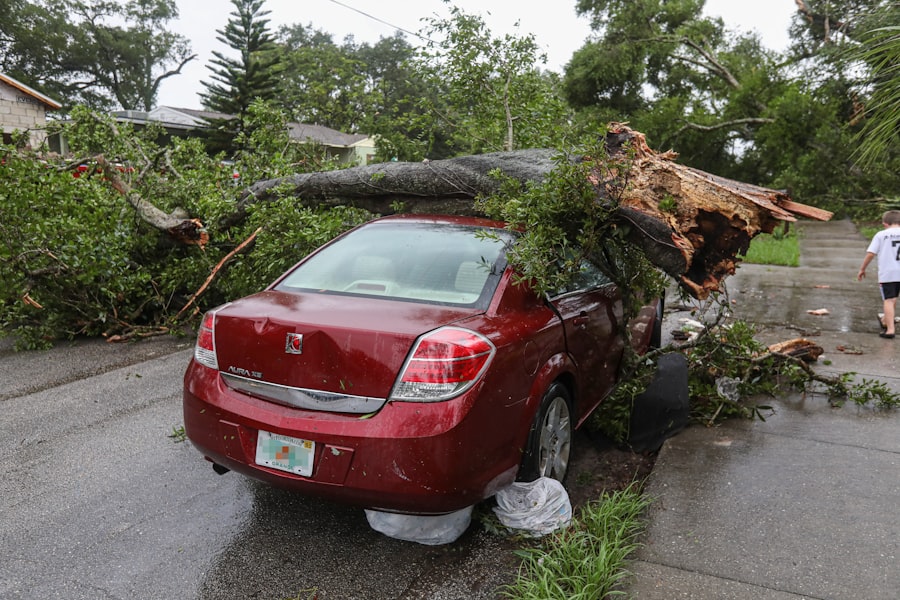
Choosing a repair shop is an important decision that can affect both the quality of repairs and your overall experience following an accident. Start by considering whether your insurance company has a preferred network of repair shops. Many insurers partner with specific garages that meet their standards for quality and service.
While using a preferred shop can streamline the claims process and potentially save you money, it’s essential to ensure that you feel comfortable with the choice. When selecting a repair shop, do your research. Look for shops with positive reviews and ratings from previous customers.
Online platforms like Yelp or Google Reviews can provide insights into the experiences of others. Additionally, consider visiting potential shops in person to assess their professionalism and customer service. Ask about warranties on repairs and whether they use original equipment manufacturer (OEM) parts or aftermarket alternatives.
Ultimately, choose a shop that aligns with your needs and instills confidence in their ability to restore your vehicle to its pre-accident condition.
Rental Car Options
After an accident, you may find yourself in need of a rental car while your vehicle is being repaired. Understanding your rental car options is essential for minimizing disruption to your daily life. First, check your insurance policy to see if it includes rental reimbursement coverage.
This feature typically covers a portion of the cost of a rental car while your vehicle is in the shop due to an accident covered by your policy. After an accident, knowing your rental car coverage can greatly ease your transition.
Research local rental agencies to compare rates and availability. Many companies offer discounts for longer rentals or special promotions that can help reduce costs. Additionally, consider whether you need a similar vehicle or if a smaller, more economical option would suffice during this period.
Dealing with the Insurance Company
Dealing with the insurance company can be one of the most daunting aspects of managing an accident claim. After documenting the accident and gathering necessary information, it’s time to file your claim. When contacting your insurer, be prepared to provide details about the incident, including when and where it occurred, who was involved, and any evidence you’ve collected.
It’s crucial to remain calm and factual during this conversation; emotions can run high after an accident, but clear communication will facilitate a smoother claims process. Once your claim is filed, be proactive in following up with your insurance adjuster. They may request additional information or documentation as they assess the claim.
After an accident, staying proactive and communicating with your insurance adjuster can help smooth the claims process.
Keep records of all communications with your insurer, including dates, times, and names of representatives you speak with. If you encounter delays or feel that your claim is not being handled fairly, don’t hesitate to escalate the matter within the company or seek assistance from a consumer advocacy group.
Understanding Your Rights
Understanding your rights after an accident is crucial in ensuring that you receive fair treatment from your insurer.
Understanding your rights as an insured driver is vital when navigating the aftermath of an accident. Each state has its own laws regarding auto insurance and accident claims, so familiarize yourself with local regulations that may affect your situation. For instance, some states operate under a no-fault system where each driver’s insurance covers their own damages regardless of fault.
In contrast, other states allow for fault-based claims where the at-fault driver is responsible for covering damages. Additionally, you have the right to choose where to have your vehicle repaired and to receive fair compensation for damages incurred due to another party’s negligence. If you feel that your insurer is not honoring your rights or providing adequate support during the claims process, consider reaching out to a state insurance department or consumer protection agency for guidance.
Knowing your rights empowers you to advocate for yourself effectively.
Seeking Legal Advice
In some cases, seeking legal advice may be necessary to ensure that you receive fair treatment after an accident. If you encounter significant challenges with your insurance claim or if there are disputes regarding fault or damages, consulting with an attorney who specializes in auto accidents can provide clarity and direction. A knowledgeable attorney can help you understand your options and rights while navigating complex legal matters.
If disputes arise after an accident, seeking legal advice can clarify your rights and improve your chances of a favorable outcome.
When choosing an attorney, look for someone with experience in handling cases similar to yours. Many personal injury lawyers offer free consultations, allowing you to discuss your situation without financial commitment upfront. During this initial meeting, ask about their approach to cases like yours and their success rate in securing favorable outcomes for clients.
Having legal representation can alleviate stress during this challenging time and ensure that you are adequately compensated for any losses incurred.
After an accident, having an attorney can take the burden off your shoulders while you focus on recovery.
Preventing Future Accidents
Preventing future accidents is an essential aspect of responsible driving that benefits not only you but also other road users. Start by evaluating your driving habits; are there areas where you could improve? Consider taking defensive driving courses that teach techniques for anticipating potential hazards on the road and responding appropriately.
These courses often provide valuable insights into safe driving practices that can help reduce the likelihood of accidents. Additionally, maintaining your vehicle in good condition plays a crucial role in accident prevention. Regularly check tire pressure, brakes, lights, and fluid levels to ensure everything is functioning properly.
Staying aware of weather conditions and adjusting your driving accordingly can also make a significant difference in safety on the road. By adopting proactive measures and fostering safe driving habits, you contribute to a safer driving environment for everyone while reducing the risk of future accidents. In conclusion, navigating the aftermath of an accident involves understanding various aspects of insurance coverage, documenting incidents effectively, choosing reliable repair shops, exploring rental options, dealing with insurance companies confidently, knowing your rights, seeking legal advice when necessary, and taking steps to prevent future accidents.
Being proactive after an accident can help prevent future incidents and ensure safer driving habits.
By equipping yourself with knowledge and resources in these areas, you can manage the challenges that arise after an accident more effectively and ensure a smoother recovery process for yourself and others involved.
Ultimately, knowing how to navigate the challenges that arise after an accident can lead to a smoother recovery process.
FAQs:
What should I document immediately after an accident?
Take photos of damage, the accident scene, and road conditions. Collect witness statements and exchange contact and insurance details with the other driver.
Do I have to use the repair shop recommended by my insurance company?
No. You have the legal right to choose your own repair shop, even if your insurer suggests a preferred partner.
What does rental reimbursement coverage include?
It typically covers a daily rental car cost for a limited number of days while your car is being repaired after a covered accident.
When should I contact a lawyer after an accident?
Seek legal advice if fault is disputed, your insurance claim is delayed or denied, or compensation seems unfair.
How can I reduce the risk of future accidents?
Take defensive driving courses, maintain your vehicle regularly, and avoid distractions while driving.