AI in banking is no longer just about answering questions—it’s starting to take action on your behalf. From chat-based banking to automated payments and smarter fraud detection, financial tools are evolving fast.
This shift changes how you interact with money. Instead of clicking through apps, you can now type a request and have tasks completed instantly. While this adds convenience, it also introduces new risks and responsibilities.
Here are five key ways AI in banking is evolving, why it matters, and how to use it safely.
Chat-Based Banking Is Replacing Traditional Apps
What Changed
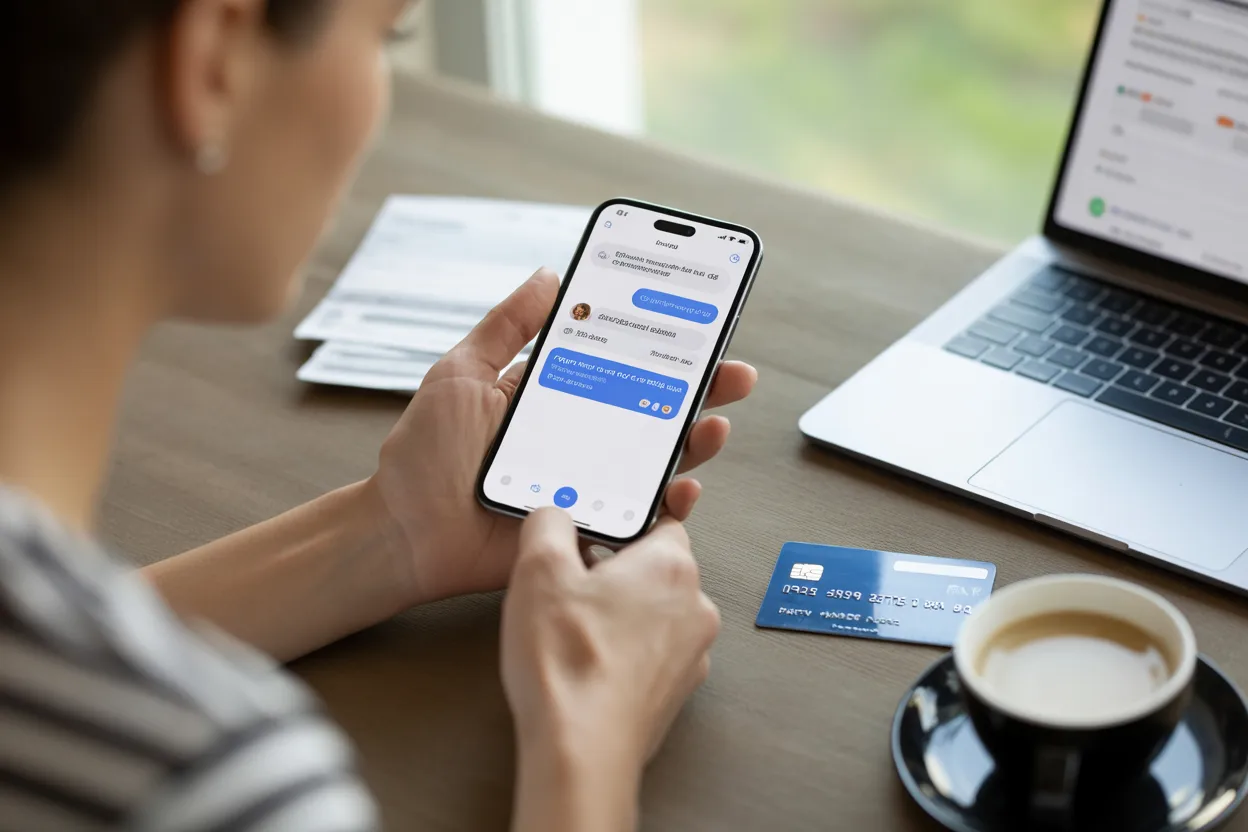
Banks like Ryt Bank are replacing traditional app menus with chat interfaces. Instead of tapping through screens, users simply type what they want—check balances, review transactions, or move money.
Why It Matters
This approach makes banking faster and more intuitive. However, when a chat interface can execute actions, it becomes critical to understand what permissions it has.
You’re no longer just asking questions—you’re giving instructions.
What to Do
- Start with simple tasks like checking balances or recent transactions
- Enable alerts for transfers, bills, and card activity
- Avoid sharing sensitive details unless absolutely necessary
As these tools improve, they may become your primary way to manage money, so building safe habits early is essential.
AI Underwriting Is Changing How Loans Are Approved
What Changed
Companies like Propel Holdings are using AI to evaluate loan applications beyond traditional credit scores. Instead of relying only on FICO, they analyze cash flow, spending behavior, and recent financial activity.
Why It Matters
This opens the door for people who may have limited or damaged credit histories. AI can provide a more complete financial picture, potentially leading to fairer lending decisions.
However, it also means lenders may analyze more of your personal financial data than ever before.
What to Do
- Maintain consistent account balances and avoid overdrafts
- Pay bills on time to show stable financial behavior
- Compare full loan costs, including APR and fees—not just approval status
AI-driven lending rewards real-world financial habits, not just credit history.
AI Agent Wallets Are Entering the Payment Space
What Changed
Partnerships like AWS and Visa are developing “agentic commerce,” where AI agents can shop and complete payments on your behalf using secure systems like tokenization and approval flows.
Why It Matters
This could eliminate checkout friction and save time. But it also raises important concerns about control and authorization.
If an AI agent can spend money, you must define clear boundaries.
What to Do
- Start with small, low-risk purchases when testing AI agents
- Set strict spending limits and require approval for transactions
- Use virtual cards or tokenized payment methods whenever possible
The convenience is powerful—but only if you stay in control of permissions.
Family Finance Tools Are Becoming More Transparent
What Changed
Platforms like Robinhood are introducing features such as Family Hub, allowing households to view and manage finances together with customizable permissions.
Why It Matters
Shared visibility reduces confusion and improves financial planning. It also removes the need to share passwords, which increases security.
Clear roles within a family can prevent mistakes and reduce financial stress.
What to Do
- Use view-only access for most users
- Clearly define who can move money
- Schedule a weekly 10-minute financial check-in
These tools make it easier to stay aligned as a household, especially when managing shared expenses.
AI Fraud Detection Is Getting Smarter
What Changed
Companies like Visa are using AI to detect fraud patterns that look normal but are actually scams. These systems analyze behavior in real time to stop suspicious activity before money is lost.
Why It Matters
Fraud can quickly disrupt your finances. While AI improves detection, it doesn’t eliminate risk entirely. Your habits still play a major role in staying protected.
What to Do
- Never accept unexpected checks from unknown sources
- Wait for full clearing before spending deposited funds
- Turn on transaction alerts and review accounts regularly
AI adds a layer of protection—but your awareness is still the first line of defense.
The Bigger Shift: From Tools to Financial Assistants
AI in banking is evolving from passive tools into active financial assistants. These systems don’t just provide information—they execute tasks, make decisions, and optimize processes.
This transformation will continue to accelerate as AI becomes more integrated into everyday financial platforms.
To benefit from this shift, focus on three principles:
- Control: Always define what AI can and cannot do
- Visibility: Monitor transactions and activity regularly
- Simplicity: Start small before adopting advanced features
A Smarter Way to Use AI in Banking
The future of AI in banking is not about replacing your decisions—it’s about enhancing them. When used correctly, these tools can save time, improve access to credit, and reduce financial risk.
But convenience should never come at the cost of control.
Start with basic features, build confidence, and gradually expand how you use AI in your financial life. With the right approach, you can turn these innovations into a real advantage.
FAQs:
How is AI in banking different from traditional banking tools?
AI in banking goes beyond static features by actively analyzing data and performing tasks, such as moving money or detecting fraud in real time.
Is AI in banking safe to use?
AI in banking can be safe if used with proper precautions, such as enabling alerts, setting limits, and avoiding sharing sensitive information unnecessarily.
Can AI improve loan approval chances?
Yes, AI can evaluate factors like cash flow and spending habits, which may help people with limited credit history qualify for loans.
What are AI agent wallets?
AI agent wallets allow automated systems to make purchases and payments on your behalf, using secure authorization methods.
How can I protect myself from AI-related financial risks?
You can stay safe by setting permissions, monitoring transactions, using secure payment methods, and reviewing your accounts regularly.