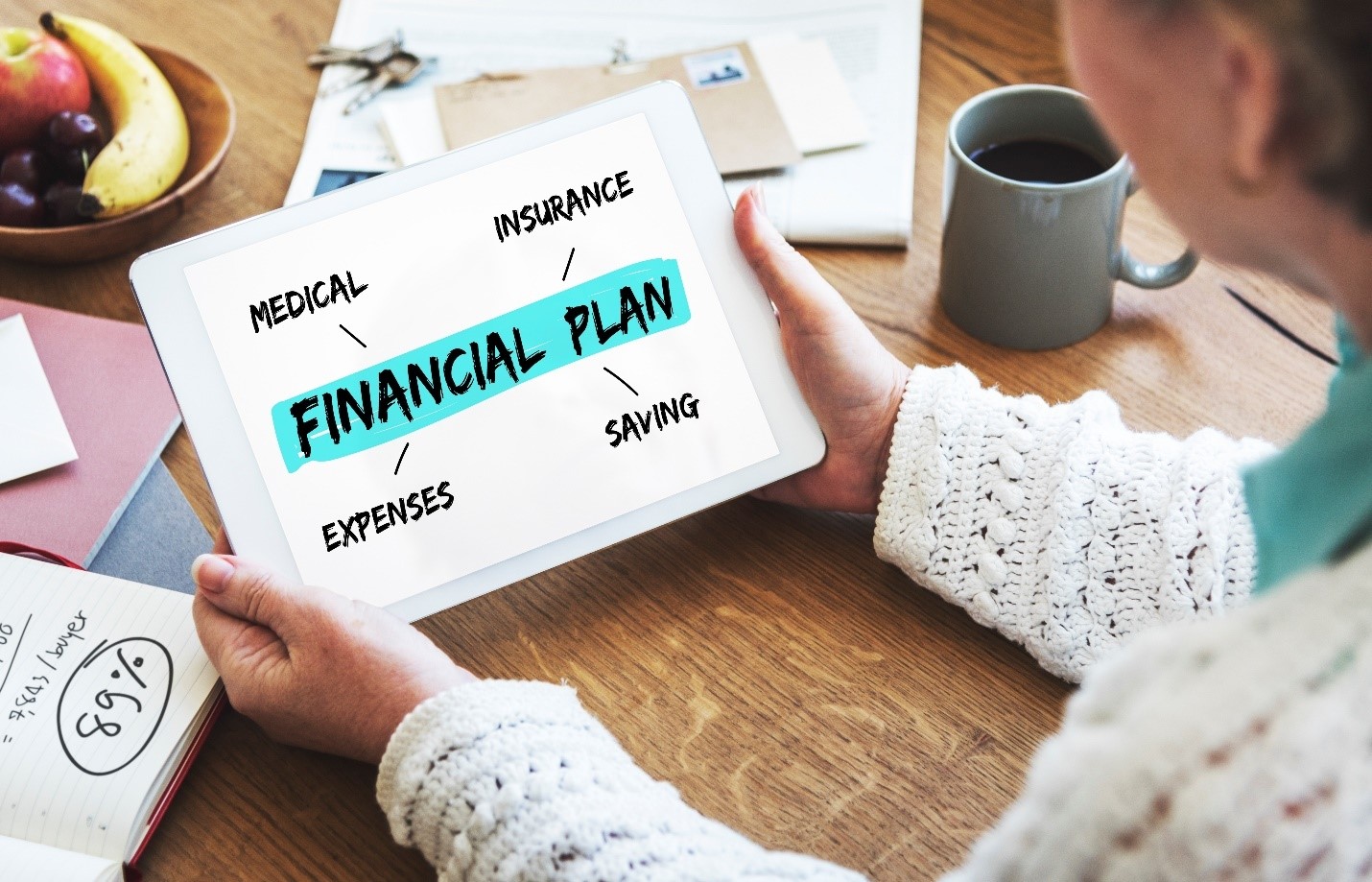
The thing about financial stability is that everyone says they want it, but no one actually explains how slippery it is. It’s not a vault you lock once and walk away from. It’s more like a chair with a leg that keeps coming loose. You have to keep tightening it, checking it, making sure it doesn’t collapse when you least expect it.
Financial flexibility isn’t about being rich. It’s about having enough space (mental and monetary) to avoid spiraling when life doesn’t follow your spreadsheet. Which is all the time.
Flexibility Isn’t Luxury, It’s Survival
In a perfect world, your paycheck would always match your expenses, emergencies wouldn’t exist, and you wouldn’t have to think about inflation every time you buy groceries.
But in the actual world? People lose jobs. Cars break down. Rent hikes happen mid-lease. Flexibility is survival. And the people who pretend otherwise usually have a safety net they aren’t mentioning.
The Problem With One-Size-Fits-All Advice
“Build an emergency fund.” “Cut out lattes.” “Budget better.” You’ve heard it before, maybe on a podcast hosted by someone who’s never had to front the cost of two flat tires in the same month.
The truth is, flexibility doesn’t come from one move. It comes from layers. A budget that bends instead of breaks. Savings that are actually accessible. And credit that’s ready if your well-laid plans trip over reality.
Credit Access Isn’t a Villain
People love to talk about debt like it’s a moral failing. But used strategically, credit is just another tool. The problem isn’t that people have access to credit, it’s that too many people only think about it when they’re desperate.
The smart move is lining up options before you need them. That might mean a bank credit line, or a trusted lender like MoneyKey for short-term flexibility. The point is to have the lifeboat ready before the water starts rising.
The Economy Doesn’t Care About Your Plans
You can have the tightest budget and still get knocked sideways by something beyond your control: a spike in utilities, an industry downturn, a layoff you didn’t see coming.
Financial flexibility doesn’t make you invincible. It just means you don’t go into freefall at the first sign of turbulence. It’s the difference between calmly reworking your numbers and frantically Googling “emergency rent help.”
How You Build It Without Burning Out
Here’s the thing: You don’t need a perfect plan. You need a system that keeps you from being blindsided.
- Add a small, regular transfer to savings, consistency beats size.
- Keep an eye on your credit health so you’re not scrambling when you need it.
- Audit your budget quarterly, because life changes and your numbers should too.
Over time, the loose chair leg holds steady.
Final Word
Financial flexibility isn’t a trend or a TikTok hack. It’s the difference between having options and being cornered. Build it before you need it. Maintain it while you can. And remember: stability is never permanent, but flexibility can be.
FAQs:
What is financial flexibility and why is it important?
Financial flexibility refers to your ability to adapt to unexpected financial changes without experiencing a major setback. It matters because life is unpredictable, and having flexibility lets you respond without panic.
How can I improve my financial flexibility?
Start with consistent savings, maintain good credit health, and regularly review your budget. It’s not about drastic changes—it’s about building habits that create options.
Is using credit a bad thing for financial flexibility?
No. Used strategically, credit can enhance flexibility. The key is to establish credit access before you need it and use it as a planned tool, not a last resort.
What’s the difference between financial stability and flexibility?
Stability implies everything is fixed and unchanging. Flexibility acknowledges change and gives you the tools to manage it effectively without financial collapse.
How often should I revisit my budget to stay financially flexible?
At least once every quarter. As your life and expenses evolve, your budget should too.