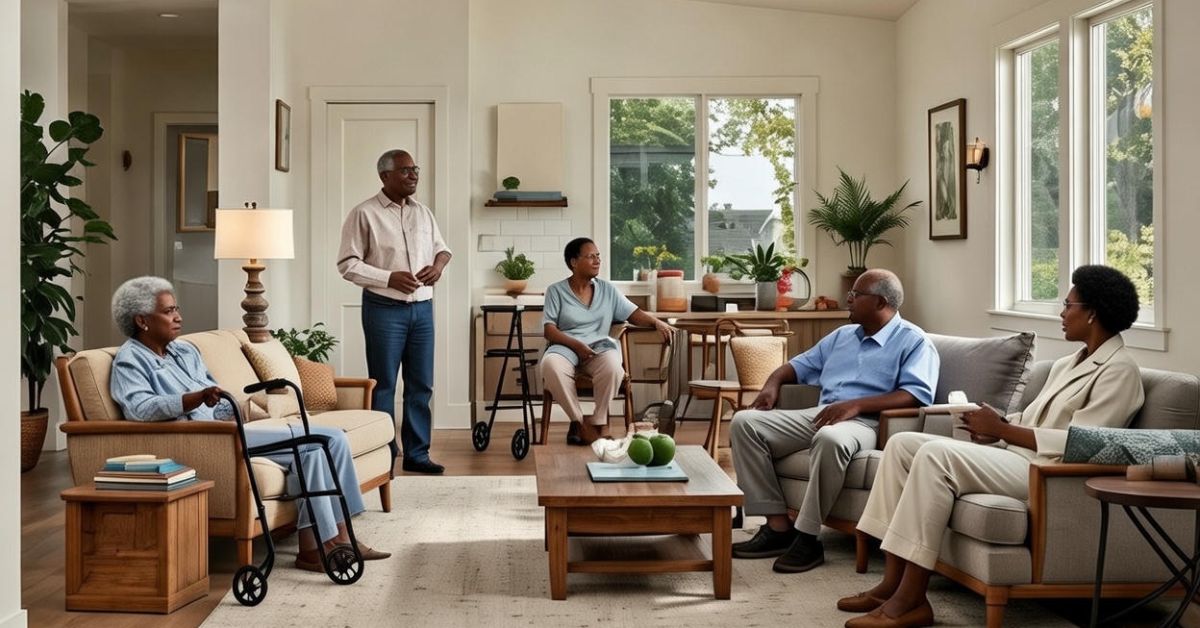
Retirement house plans are thoughtfully designed homes that support comfort, safety, and independence as people age. Often called empty-nester or aging-in-place plans, these designs reduce daily strain while still feeling spacious and welcoming. In this guide, you’ll learn what defines a great retirement home, which layouts work best in 2026, and how to choose a plan that adapts to your future needs.
Key Takeaways
-
Most retirement house plans range from 1,500–2,200 sq ft, balancing comfort and easy upkeep.
-
Single-level living is the most important feature for long-term safety and mobility.
-
Open layouts improve visibility and allow easier movement for walkers or wheelchairs.
-
Universal design elements can be added now or pre-planned to save future remodeling costs.
-
2 bedroom retirement home plans offer flexibility for guests, hobbies, or caregivers.
-
Ranch, bungalow, and cottage styles are the most popular for aging in place.
What Are Retirement House Plans?
Retirement house plans are residential designs created specifically for homeowners entering or already in retirement. These homes focus on accessibility, reduced maintenance, and long-term livability rather than maximizing square footage or multiple floors.
Unlike traditional family homes, house plans for retirement emphasize efficient layouts, fewer steps, and features that support changing physical needs. The goal is to allow homeowners to stay in their home safely for as long as possible without major renovations.
How Retirement Plans Differ From Standard Homes
Most retirement house plans eliminate unnecessary complexity. You’ll see wider doorways, open common areas, and simplified exterior maintenance. Storage is intentional, and rooms are sized for daily use rather than occasional crowds.
Why Do Retirement House Plans Matter in 2026?
Retirement house plans matter because people are living longer and staying independent later in life. According to the U.S. Centers for Disease Control and Prevention (CDC), over 25% of adults aged 65+ experience a fall each year, making stairs and narrow walkways a serious safety concern.
Designing with accessibility in mind reduces injury risk and future remodeling costs. A well-designed retirement home also supports emotional well-being by maintaining independence and dignity.
The Cost of Retrofitting vs. Planning Ahead
Adding accessibility features later can be expensive. Designing them into your home plan from the start is far more cost-effective and visually seamless.
How Do You Choose the Right Retirement House Plan?
Step 1: Decide on the Right Size
For most retirees, 1,500 to 2,200 square feet is ideal. This size allows comfortable living without overwhelming cleaning or maintenance. Smaller retirement home plans often feel larger due to open layouts and better flow.
Step 2: Prioritize Single-Level Living
Single-story homes remove the need for stairs entirely. Ranch and bungalow layouts are especially popular because all essential spaces are on one floor.
Step 3: Plan for Universal Design
Universal design ensures the home works for all mobility levels. Even if you don’t need these features now, planning for them protects your future.
What Design Features Should Retirement Homes Include?
Single-Level, Open Floor Plans
Open kitchens, dining areas, and living rooms improve visibility and reduce trip hazards. They also allow easier movement for mobility aids.
Accessibility and Safety Features
Key universal design elements include:
-
Doorways at least 36 inches wide
-
Hallways 40–42 inches wide
-
Curbless, walk-in showers
-
Reinforced bathroom walls for grab bars
-
Lever-style door handles and faucets
These features are common in high-quality retirement house plans.
Flexible Spaces for Changing Needs
Many 2 bedroom retirement home plans include a flex room. This space can serve as a guest room, home office, hobby space, or future caregiver suite.
What Are Popular Retirement House Plan Styles?
Ranch and Bungalow Homes
These classic styles naturally support aging in place. Their wide footprints allow generous room sizes without stairs.
Cottage-Style Retirement Homes
Small house plans for retirees often follow cottage designs. These homes are charming, efficient, and easy to maintain, often with screened porches or patios.
Modern Farmhouse Designs
Modern farmhouse retirement house plans combine open interiors with large porches for relaxation. They are especially popular in suburban and rural settings.
What Are Examples of Smart Retirement House Layouts?
| Home Type | Square Footage | Best For |
|---|---|---|
| Small retirement home plans | 1,400–1,600 sq ft | Minimal maintenance, downsizing |
| 2 bedroom retirement home plans | 1,700–2,100 sq ft | Guests, hobbies, flexibility |
| Luxury empty-nester plans | 2,000–2,200 sq ft | Comfort with accessibility |
Each option can be adapted with universal design features to support long-term living.
What Mistakes Should You Avoid With Retirement House Plans?
One common mistake is choosing style over function. A beautiful home that requires frequent repairs or includes stairs can become a burden later.
Another mistake is underestimating future needs. Even active retirees benefit from planning ahead, especially when it comes to bathrooms, entrances, and hallways.
Finally, many people overlook outdoor accessibility. Steps, uneven walkways, and poor lighting can be just as risky as indoor hazards.
What Are the Long-Term Benefits of Retirement House Plans?
Well-designed retirement house plans reduce injury risk, increase comfort, and lower lifetime housing costs. Homes built for aging in place often have higher resale value because demand continues to grow.
They also offer peace of mind. Knowing your home can adapt to your needs allows you to focus on enjoying retirement rather than worrying about future moves or renovations.
Conclusion: What Are the Next Steps?
Choosing the right retirement house plans is one of the most important decisions for long-term independence. Start by identifying your ideal size, lifestyle needs, and preferred design style. Then explore customizable plans from reputable designers that allow accessibility features to be added seamlessly.
Planning ahead ensures your home supports not just how you live today, but how you’ll live tomorrow.
FAQs
Are retirement house plans only for seniors?
No. Many homeowners choose retirement-style plans early because of their comfort, safety, and efficiency.
What is the best size for a retirement home?
Most retirees are comfortable in homes between 1,500 and 2,200 square feet.
Are small house plans for retirees cheaper to maintain?
Yes. Smaller homes typically cost less to heat, cool, clean, and repair.
Can retirement house plans still look stylish?
Absolutely. Modern retirement homes blend accessibility with contemporary design.
Should I customize a stock retirement house plan?
Yes. Small customizations ensure the home fits your lifestyle and future needs.