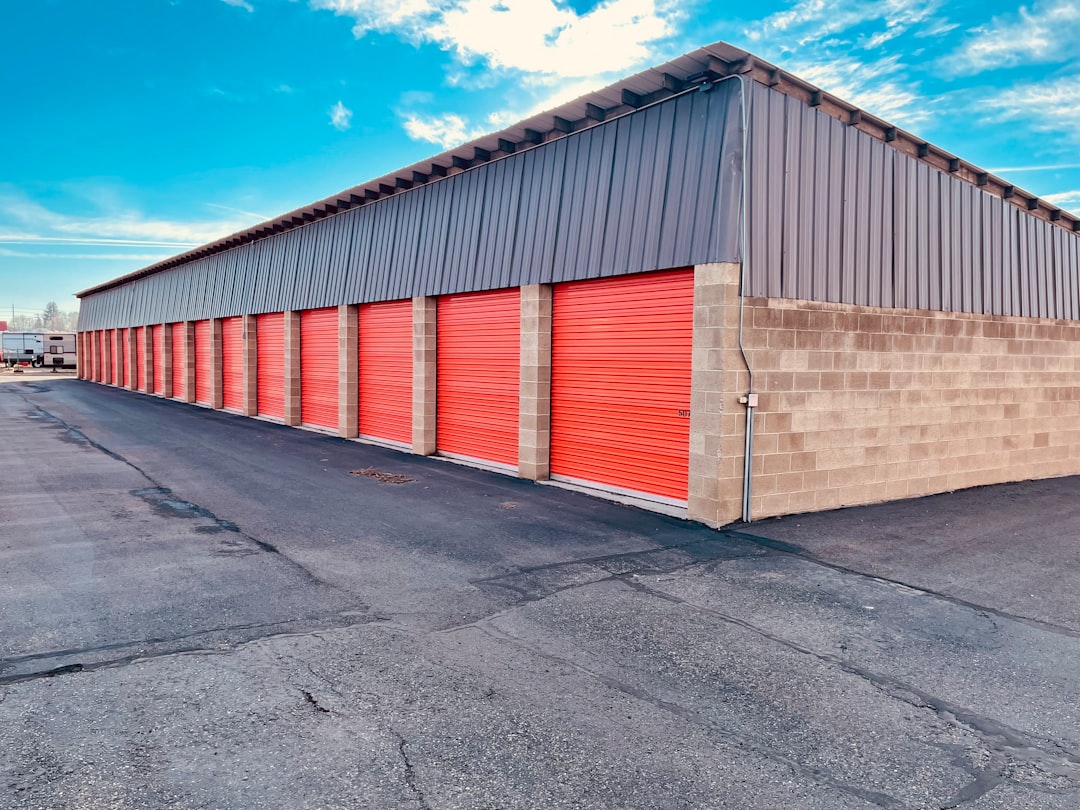
When considering storage units, it’s essential to understand the various sizes available to meet your specific needs. Storage units typically range from small 5×5 foot spaces, which can hold a few boxes or small furniture items, to larger 10×30 foot units that can accommodate the contents of an entire home. Knowing the dimensions and capacities of these units can help you make an informed decision about which size is right for you.
For instance, a 10×10 unit is often ideal for a one-bedroom apartment, while a 10×20 unit is better suited for a three-bedroom house. In addition to standard sizes, many facilities offer custom options or specialty units designed for specific items, such as climate-controlled spaces for sensitive materials like electronics or artwork. Understanding your storage needs—whether you’re storing seasonal items, business inventory, or personal belongings—will guide you in selecting the appropriate size.
It’s also wise to consider future needs; if you anticipate needing more space down the line, opting for a slightly larger unit may save you the hassle of moving again.
Key Takeaways
- Storage units come in various sizes, from small lockers to large rooms, to accommodate different storage needs.
- Factors such as location, unit size, and amenities can affect the pricing of storage units.
- Take advantage of discounts and special offers from storage facilities to save on storage costs.
- Maximize security by choosing a well-lit unit, installing a security system, and using high-quality locks.
- Select a sturdy and reliable lock to secure your storage unit and protect your belongings from theft.
Factors Affecting the Pricing of Storage Units
The pricing of storage units can vary significantly based on several factors. One of the primary determinants is location; storage facilities in urban areas or regions with high demand typically charge more than those in rural settings. Additionally, the size of the unit plays a crucial role in pricing.
Larger units naturally cost more, but they also provide more space for your belongings, which can be a worthwhile investment depending on your needs. Other factors influencing storage unit pricing include the type of facility and its amenities. For example, climate-controlled units often come at a premium due to their ability to protect sensitive items from extreme temperatures and humidity.
Security features, such as gated access, surveillance cameras, and on-site staff, can also affect costs. Lastly, the duration of your rental agreement may impact pricing; many facilities offer discounts for long-term rentals or prepayment options that can help you save money in the long run.
Leveraging Discounts and Special Offers for Storage Units
When searching for storage units, it’s beneficial to leverage discounts and special offers that many facilities provide. Seasonal promotions are common, especially during peak moving times like summer or around holidays when people are more likely to need extra space. Facilities may offer reduced rates for the first month or even free months with a long-term lease commitment.
Taking advantage of these promotions can significantly lower your overall storage costs. Additionally, many storage companies have referral programs or loyalty discounts for returning customers. If you know someone who has used a particular facility, ask them if they can refer you; this could lead to additional savings for both parties.
It’s also worth checking online platforms and local listings for coupons or promotional codes that can be applied to your rental agreement. By being proactive and researching available discounts, you can find a storage solution that fits your budget without sacrificing quality.
Tips for Maximizing the Security of Your Storage Unit
Maximizing the security of your storage unit is crucial to ensuring that your belongings remain safe and protected. One of the first steps is to choose a reputable facility with strong security measures in place. Look for features such as gated access, surveillance cameras, and well-lit premises.
Facilities that have on-site management or staff present during operating hours can also provide an added layer of security. In addition to selecting a secure facility, it’s essential to take personal precautions as well. Always lock your unit with a high-quality padlock and consider using locks that are resistant to cutting or picking.
Avoid sharing your access code or key with anyone who doesn’t need it, and regularly check on your unit to ensure everything is in order. If you’re storing particularly valuable items, consider investing in additional security measures such as an alarm system or insurance coverage specifically for those items.
Choosing the Right Lock for Your Storage Unit
Choosing the right lock for your storage unit is a critical aspect of ensuring its security. Not all locks are created equal; some are more secure than others and can provide better protection against theft. A disc lock is often recommended for storage units because its design makes it difficult for thieves to cut or tamper with.
Additionally, look for locks made from hardened steel, as they offer greater resistance against physical attacks. When selecting a lock, consider the size and type of hasp on your storage unit door. Ensure that the lock fits securely and cannot be easily removed or manipulated.
It’s also wise to avoid using standard combination locks, as they can be easier to crack than more robust options. Investing in a high-quality lock may seem like an additional expense upfront, but it can save you from potential losses in the long run.
Utilizing Insurance Options for Your Stored Items
Utilizing insurance options for your stored items is an important step in protecting your belongings while they are in storage. Many storage facilities offer basic insurance coverage as part of their rental agreements; however, this coverage may not be sufficient for high-value items. It’s essential to assess the value of what you’re storing and determine whether additional insurance is necessary.
You have several options when it comes to insuring your stored items. Some renters choose to purchase insurance directly from the storage facility, while others may prefer to use their homeowner’s or renter’s insurance policy, which often extends coverage to off-site belongings. Before making a decision, review the terms and conditions of any policy carefully to ensure it meets your needs.
By securing adequate insurance coverage, you can have peace of mind knowing that your items are protected against unforeseen events such as theft, fire, or water damage.
Organizing and Maximizing Space in Your Storage Unit
Organizing and maximizing space in your storage unit is essential for making the most out of your rental space. A well-organized unit not only allows you to find items quickly but also helps prevent damage by ensuring that everything is stored properly. Start by categorizing your belongings into groups—such as seasonal items, furniture, and boxes—and label each box clearly so you know what’s inside without having to open them.
To maximize space effectively, consider using vertical storage solutions like shelving units or stacking boxes. Place heavier items on the bottom and lighter ones on top to create stability and prevent accidents. Additionally, disassemble larger furniture pieces when possible; this will free up valuable floor space and make it easier to fit everything into your unit.
By taking the time to organize and optimize your storage unit layout, you’ll create a more efficient space that meets your needs.
Maintaining and Cleaning Your Storage Unit for Long-Term Use
Maintaining and cleaning your storage unit is crucial for ensuring its longevity and keeping your belongings in good condition over time. Regular maintenance checks can help you identify any potential issues before they become significant problems. For instance, inspect the unit periodically for signs of moisture or pests; addressing these issues early can prevent damage to your stored items.
Cleaning your storage unit should also be part of your routine maintenance plan. When you first move in, take the time to sweep out any debris and wipe down surfaces if necessary. As you add items over time, make it a habit to keep things tidy by removing any trash or unnecessary materials that accumulate.
This not only keeps your space organized but also helps maintain a healthy environment for your belongings. By committing to regular maintenance and cleaning practices, you can ensure that your storage unit remains functional and secure for years to come.
FAQs:
What size storage unit do I need for a 2-bedroom apartment?
A 10×15 or 10×20 storage unit is usually sufficient for a two-bedroom apartment, depending on the amount of furniture and boxes.
How can I save money on storage unit rentals?
Look for seasonal promotions, referral discounts, and long-term rental deals. Booking online may also unlock exclusive rates.
Are climate-controlled storage units worth it?
Yes, especially if you’re storing sensitive items like electronics, wooden furniture, or artwork. They protect against temperature changes and humidity.
What type of lock is best for a storage unit?
Disc locks and heavy-duty padlocks made from hardened steel offer the best protection against theft.
Does renters’ insurance cover storage units?
Most renters’ and homeowners’ insurance policies extend coverage to storage units, but you should confirm limits and exclusions with your provider.