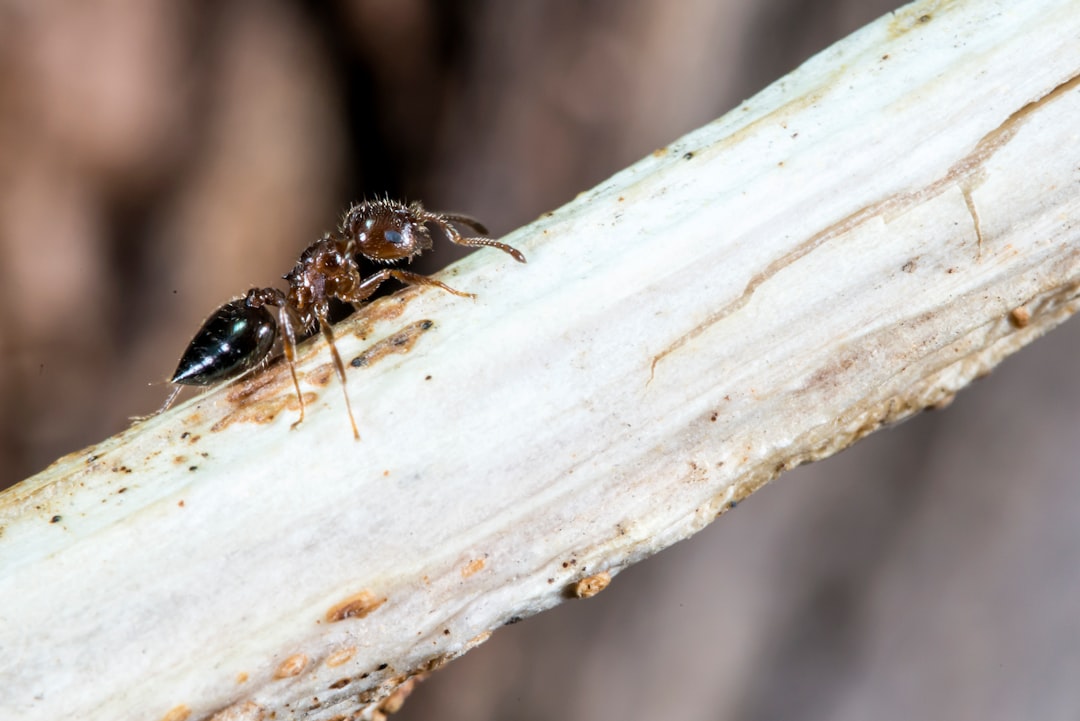
Termite Protection often involves termite bonds, which are agreements between homeowners and pest control companies that provide a level of protection against termite infestations. These bonds typically cover the cost of treatment and repairs if termites are found in the home during the bond period. Understanding termite bonds is crucial for homeowners, as they are an important part of comprehensive termite protection against potentially devastating termite damage.
The bond essentially acts as an insurance policy, ensuring that if termites invade your property, you won’t be left to bear the financial burden alone. When considering a termite bond, it’s important to note that these agreements can vary significantly in terms of coverage and duration. Some bonds may cover only the treatment of an infestation, while others might include repair costs for any damage caused by termites.
Homeowners should carefully read the terms and conditions of any bond they are considering to ensure they fully understand what is included. Additionally, it’s wise to inquire about the company’s reputation and track record in handling termite issues, as this can greatly influence the effectiveness of the bond.
Key Takeaways
- Termite bonds provide protection and treatment for termite infestations in a home.
- Termite warranties are important for ensuring that any termite damage is covered by the pest control company.
- Termite inspections involve a thorough examination of the property to identify any signs of termite activity.
- Different types of termite protection include chemical barriers, baiting systems, and physical barriers.
- When choosing termite protection, consider factors such as the type of termites in your area and the construction of your home.
The Importance of Termite Warranties
Termite warranties are essential for homeowners looking to protect their investment from the destructive nature of termites. These warranties provide peace of mind, knowing that if termites are discovered, the pest control company will take responsibility for treatment and any necessary repairs. This is particularly important given that termite damage can go unnoticed for years, leading to significant structural issues and costly repairs.
A warranty can help mitigate these risks by ensuring that professional help is readily available when needed. Moreover, having a termite warranty can enhance the resale value of your home. Prospective buyers often feel more secure purchasing a property that comes with a warranty, as it indicates that the home has been monitored for pest issues and that any potential problems will be addressed.
This added layer of protection can make your home more attractive in a competitive real estate market. Therefore, investing in a termite warranty not only safeguards your current living situation but also contributes positively to your long-term financial health.
How Termite Inspections Work
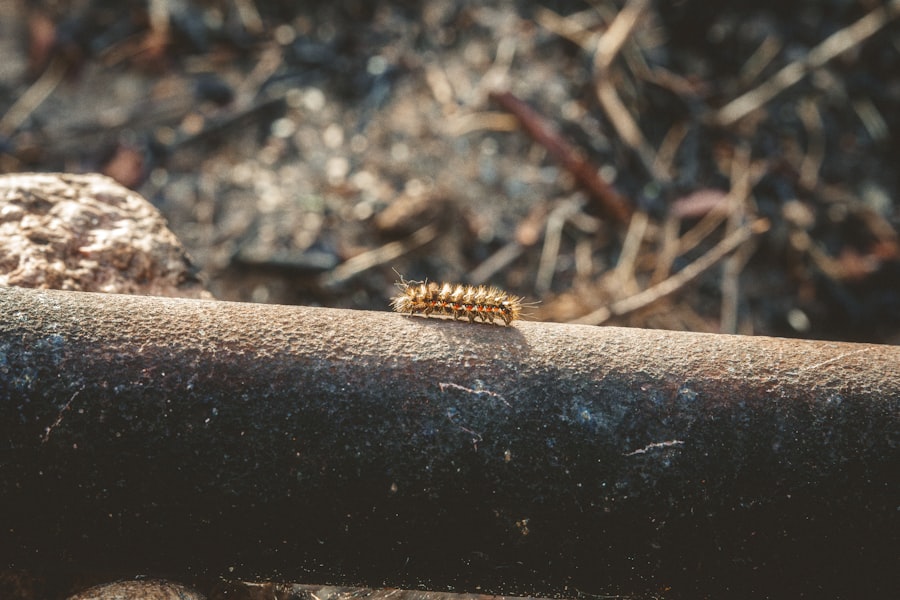
Termite inspections are a critical component of maintaining a pest-free home. During an inspection, a trained professional will thoroughly examine both the interior and exterior of your property for signs of termite activity. This includes looking for mud tubes, wood damage, and even live insects.
Inspections typically last between 30 minutes to an hour, depending on the size of the home and the extent of the inspection required. Homeowners should schedule these inspections regularly—ideally once a year—to catch any potential infestations early. The process begins with the inspector assessing areas where termites are likely to thrive, such as basements, crawl spaces, and attics.
They will also check for moisture issues, as termites are attracted to damp environments. After completing the inspection, the professional will provide a detailed report outlining their findings and any recommended actions. This report is invaluable for homeowners, as it not only highlights existing problems but also offers guidance on preventive measures to keep termites at bay.
Different Types of Termite Protection
There are several types of termite protection available to homeowners, each with its own advantages and disadvantages. One common method is chemical treatments, which involve applying pesticides to the soil around a home’s foundation to create a barrier against termites. These treatments can be effective for several years but may require reapplication over time.
Homeowners should consider factors such as local regulations and environmental impact when choosing chemical treatments. Another option is bait systems, which involve placing bait stations around the perimeter of the home. These stations contain substances that attract termites, which then consume the bait and carry it back to their colony, effectively eliminating it from within.
Bait systems can be less intrusive than chemical treatments and may be more environmentally friendly. Additionally, there are physical barriers made from materials like steel mesh or concrete that can be installed during construction or renovation to prevent termites from entering a home. Each type of protection has its own set of benefits, so homeowners should evaluate their specific needs and circumstances when deciding on the best approach.
Choosing the Right Termite Protection for Your Home
Selecting the right termite protection for your home involves careful consideration of various factors, including your location, budget, and personal preferences. Different regions have varying levels of termite activity; for instance, homes in warmer climates may be at higher risk due to favorable conditions for termite survival. Understanding your local environment can help you make informed decisions about which type of protection will be most effective.
Budget is another critical factor in choosing termite protection. While some methods may have lower upfront costs, they could require more frequent maintenance or reapplication, leading to higher long-term expenses. Homeowners should weigh these costs against the potential damage that termites could cause if left unchecked.
Additionally, it’s essential to consider the reputation and reliability of pest control companies in your area. Reading reviews and seeking recommendations from friends or family can help you find a trustworthy provider who offers effective solutions tailored to your needs.
What to Look for in a Termite Protection Company
When searching for a termite protection company, there are several key attributes to consider that can significantly impact your experience and results. First and foremost, look for companies that are licensed and insured. This ensures that they meet industry standards and have the necessary qualifications to perform pest control services safely and effectively.
Additionally, check if they have experience specifically dealing with termite infestations, as this expertise can make a substantial difference in their approach and success rate. Customer service is another vital aspect to evaluate when choosing a termite protection company. A reputable company should be willing to answer your questions thoroughly and provide clear explanations about their services and treatment options.
Transparency regarding pricing is also crucial; you should receive detailed estimates without hidden fees or unexpected charges. Finally, consider companies that offer warranties or guarantees on their work, as this demonstrates their confidence in their services and provides you with added peace of mind.
The Benefits of Regular Termite Inspections
Regular termite inspections offer numerous benefits that can save homeowners time, money, and stress in the long run. One of the most significant advantages is early detection; catching a termite infestation before it becomes severe can prevent extensive damage to your property. Termites can cause structural issues that may not be immediately visible, so routine inspections help identify problems before they escalate into costly repairs.
In addition to protecting your home from damage, regular inspections can also help maintain your property’s value. A well-maintained home with no history of pest issues is more appealing to potential buyers if you decide to sell in the future. Furthermore, many pest control companies offer discounts or incentives for customers who commit to regular inspections as part of a maintenance plan.
This proactive approach not only safeguards your investment but also fosters a sense of security knowing that your home is being monitored by professionals.
How to Maintain Termite Protection for Your Home
Maintaining termite protection for your home requires ongoing vigilance and proactive measures. One of the most effective ways to ensure continued protection is through regular inspections by a qualified pest control professional. Scheduling these inspections annually allows experts to assess your property for any signs of termite activity and recommend necessary treatments or preventive measures.
In addition to professional inspections, homeowners can take several steps to maintain their termite protection on their own. Keeping wood piles away from the foundation, ensuring proper drainage around the home, and sealing any cracks or openings in walls can significantly reduce the risk of infestation. It’s also essential to address moisture issues promptly since termites thrive in damp environments.
By combining professional services with diligent maintenance practices, homeowners can create a robust defense against termites and protect their homes for years to come. In conclusion, understanding termite bonds, warranties, inspections, types of protection, and how to choose a reliable company is essential for safeguarding your home against these destructive pests. Regular inspections and proactive maintenance further enhance your defenses against termites while preserving your property’s value over time.
By taking these steps seriously, you can ensure that your home remains safe from termites and their damaging effects.
Termite Bonds and Protection – Quick Comparison Table
| Category | Key Actions / Features | Purpose / Benefits | Tips / Considerations |
|---|---|---|---|
| Termite Bonds | Enter into a contract with a pest control company covering treatment and repairs | Provides financial protection against termite damage; acts as a safety net | Read terms carefully; verify coverage scope and duration; check company reputation |
| Termite Warranties | Agreements covering treatment and repairs if termites are found | Ensures damage is addressed; peace of mind; may enhance resale value | Understand warranty duration and conditions; consider it a selling point for home |
| Termite Inspections | Professional examination of interior/exterior for signs of termites | Early detection; identifies structural risks; guides preventive measures | Schedule annually; inspect basements, crawl spaces, attics, and moisture-prone areas; get detailed report |
| Chemical Treatments | Apply pesticides to soil/foundation to create a barrier | Long-lasting termite prevention; protects home structure | Consider environmental impact, local regulations, and reapplication needs |
| Bait Systems | Place bait stations around property that termites consume and carry to colony | Less intrusive; environmentally safer; targets entire colony | Monitor bait stations regularly; ensure proper placement and maintenance |
| Physical Barriers | Install steel mesh, concrete, or other materials during construction/renovation | Prevents termites from entering; long-term structural protection | Effective primarily during new construction or major renovations; upfront cost may be higher |
| Choosing Termite Protection | Consider climate, termite type, home construction, budget, company reputation | Ensures most effective and suitable protection for your home | Compare local services; check reviews; balance upfront vs. long-term costs |
| Choosing a Termite Company | Look for licensed, insured, experienced professionals with transparent pricing and warranties | Reliable service; ensures safe and effective termite control | Ask about past work, treatment methods, guarantees, and customer service responsiveness |
| Benefits of Regular Inspections | Early detection, property value maintenance, cost savings | Prevents severe infestations; minimizes repair costs; fosters security | Schedule annually; consider maintenance plans with discounts or incentives |
| Maintaining Termite Protection | Regular inspections, moisture control, sealing cracks, keeping wood away from foundation | Sustains termite defenses; reduces risk of reinfestation | Combine professional inspections with preventive household measures; address drainage and humidity issues |
FAQs:
What is the difference between a termite bond and a warranty?
A termite bond is a contract guaranteeing treatment and sometimes repairs, while a warranty promises that the company will cover treatment or damage if termites are found.
How often should I schedule a termite inspection?
Most experts recommend annual termite inspections, but homes in high-risk areas may need semi-annual checks.
Are bait systems better than chemical treatments?
Both are effective. Bait systems are eco-friendly and target colonies directly, while chemical barriers provide long-lasting perimeter protection.
Do termite warranties increase home value?
Yes. Transferable termite warranties provide reassurance to buyers and make properties more attractive in competitive markets.