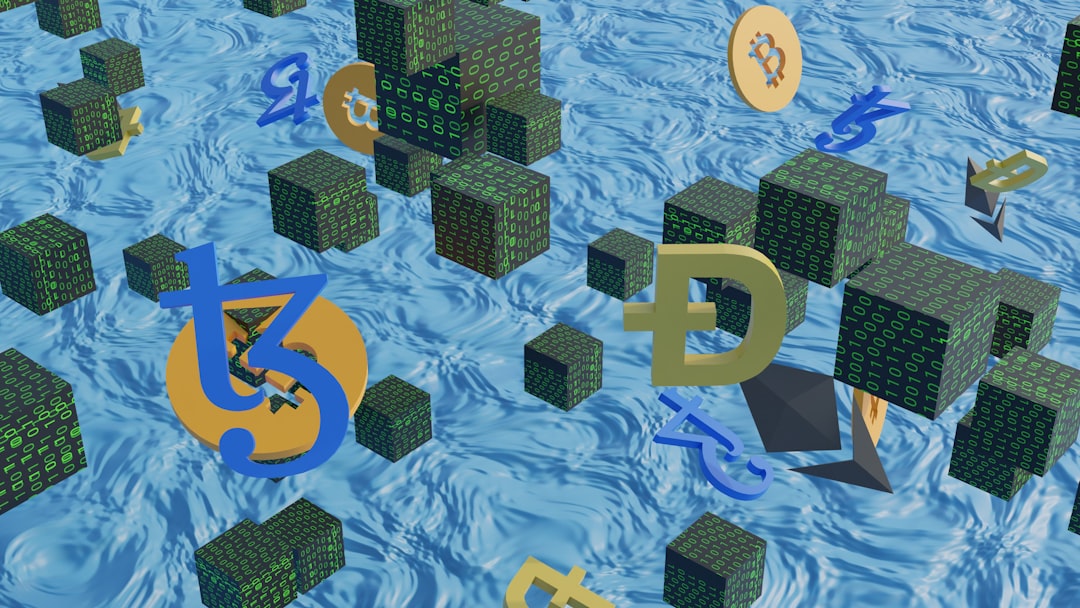
In the rapidly evolving landscape of digital finance, tokens have emerged as a pivotal component of blockchain technology. At its core, a token is a digital asset that represents a unit of value on a blockchain. Unlike cryptocurrencies such as Bitcoin or Ethereum, which operate on their own independent blockchains, tokens are often built on existing platforms, most notably Ethereum.
This allows for the creation of various types of tokens, including utility tokens, security tokens, and non-fungible tokens (NFTs), each serving distinct purposes within their respective ecosystems. Tokens function through smart contracts—self-executing contracts with the terms of the agreement directly written into code. When you interact with a token, you are essentially engaging with these smart contracts, which facilitate transactions and enforce rules without the need for intermediaries.
This decentralized nature not only enhances security but also increases transparency, as all transactions are recorded on the blockchain and can be audited by anyone. As a token holder, you gain access to specific functionalities within the ecosystem, whether it be voting rights, access to services, or even profit-sharing mechanisms.
Key Takeaways
- A token is a digital asset that can represent ownership of a real-world asset or have utility within a specific ecosystem, and it works on a blockchain platform.
- Exclusive benefits for token holders include access to special features, discounts, voting rights, and potential for future appreciation in value.
- Tokens can be acquired through initial coin offerings (ICOs), token sales, airdrops, or by purchasing them on cryptocurrency exchanges.
- Token use cases can include access to specific services, rewards programs, or partnerships with other companies to enhance utility and value.
- Token price and market analysis involve tracking the token’s value, trading volume, and market trends to make informed investment decisions. The future outlook for tokens depends on factors such as adoption, regulation, and technological advancements in the blockchain industry.
Exclusive Benefits for Token Holders
Owning tokens can unlock a myriad of exclusive benefits that enhance your experience within a particular blockchain ecosystem. One of the most significant advantages is the ability to participate in governance decisions. Many projects utilize a decentralized autonomous organization (DAO) model, where token holders can vote on proposals that affect the future direction of the project.
This democratic approach empowers you to have a say in critical decisions, such as funding allocations or feature developments, fostering a sense of community and shared ownership. In addition to governance rights, token holders often enjoy access to unique services or products that are not available to non-holders. For instance, some platforms offer premium features or early access to new products exclusively for token holders.
This creates an incentive for you to invest in and hold onto your tokens, as they can provide tangible benefits that enhance your overall experience. Furthermore, many projects implement staking mechanisms, allowing you to earn rewards simply by holding your tokens in a designated wallet. This not only incentivizes long-term investment but also contributes to the overall stability and growth of the ecosystem.
How to Acquire Token
Acquiring tokens can be an exciting venture, and there are several avenues through which you can obtain them. The most common method is through cryptocurrency exchanges, where you can buy tokens using established cryptocurrencies like Bitcoin or Ethereum. To get started, you’ll need to create an account on a reputable exchange, complete any necessary verification processes, and fund your account.
Once your account is set up, you can search for the specific token you wish to purchase and execute your trade. Another popular method for acquiring tokens is through Initial Coin Offerings (ICOs) or token sales. These events allow you to purchase tokens directly from the project team before they are listed on exchanges.
Participating in an ICO can be particularly advantageous if you believe in the project’s potential for growth. However, it’s essential to conduct thorough research before investing in any ICO, as the space can be rife with scams and poorly executed projects. Additionally, some projects offer airdrops—free distributions of tokens to existing holders or participants in specific activities—providing yet another way for you to acquire tokens without direct financial investment.
Token Use Cases and Partnerships
| Token Use Cases and Partnerships | |
|---|---|
| Use Case 1 | Partnership 1 |
| Use Case 2 | Partnership 2 |
| Use Case 3 | Partnership 3 |
Tokens have a wide range of use cases that extend beyond mere speculation or investment. In many cases, they serve as integral components of decentralized applications (dApps), enabling functionalities such as payments, access to services, and incentivization mechanisms. For example, utility tokens are often used within platforms to facilitate transactions or access specific features.
This creates an ecosystem where users can interact seamlessly while utilizing the token as a medium of exchange. Partnerships also play a crucial role in enhancing the utility and adoption of tokens. Many projects collaborate with established companies or other blockchain initiatives to expand their reach and improve their offerings.
These partnerships can lead to innovative use cases that benefit both parties involved. For instance, a token might be integrated into an e-commerce platform, allowing users to make purchases using the token while earning rewards for their loyalty. Such collaborations not only increase the visibility of the token but also contribute to its long-term viability by creating real-world applications.
Token Price and Market Analysis
Understanding the price dynamics of tokens is essential for making informed investment decisions. The price of a token is influenced by various factors, including market demand, project developments, and overall market sentiment. As a token holder or potential investor, keeping an eye on these factors can help you gauge when to buy or sell your tokens effectively.
Market analysis tools and platforms provide valuable insights into price trends and trading volumes, allowing you to make data-driven decisions. Additionally, it’s important to consider the broader cryptocurrency market when analyzing token prices. The performance of major cryptocurrencies often impacts the entire market, including altcoins and tokens.
For instance, if Bitcoin experiences significant price fluctuations, it can create ripple effects across other digital assets. By staying informed about market trends and news events that could affect prices, you can better position yourself in this volatile environment.
Future Outlook for Token
The future outlook for tokens appears promising as blockchain technology continues to gain traction across various industries. As more businesses recognize the potential benefits of decentralization and tokenization, we can expect an increase in innovative projects that leverage these digital assets for real-world applications. This trend could lead to greater adoption of tokens among consumers and businesses alike, further solidifying their place in the financial ecosystem.
Moreover, regulatory clarity is gradually emerging in many jurisdictions regarding cryptocurrencies and tokens. As governments establish frameworks for digital assets, it could pave the way for increased institutional investment and mainstream acceptance. This shift may result in more robust markets for tokens and greater stability in their prices over time.
As a token holder or prospective investor, staying abreast of these developments will be crucial in navigating this evolving landscape and capitalizing on future opportunities. In conclusion, tokens represent a transformative force within the digital economy, offering unique benefits and opportunities for those who engage with them. By understanding how they work, their exclusive advantages, acquisition methods, use cases, market dynamics, and future potential, you can position yourself effectively in this exciting space.
Whether you’re looking to invest or simply explore the possibilities that tokens offer, being informed will empower you to make strategic decisions that align with your goals in this dynamic environment.
If you’re interested in financial advice, particularly related to employment issues, you might find this article useful: Missing a W-2 Form? Here’s What to Do If Your Employer Has Not Sent Your W-2. It provides detailed guidance on how to handle a situation where your employer has not provided the necessary W-2 form, which is crucial for completing your tax returns accurately and on time. This can be particularly stressful during tax season, and the article offers practical steps to ensure you can resolve the issue efficiently.
FAQs
What is a token?
A token is a digital or physical object that represents something else, such as a unit of value or access rights.
What are tokens used for?
Tokens are used for various purposes, including as a form of currency in digital platforms, as access keys for secure systems, and as proof of ownership or identity.
What are examples of tokens?
Examples of tokens include cryptocurrency tokens like Bitcoin and Ethereum, access tokens for secure systems, and physical tokens like subway or arcade tokens.
How are tokens different from coins and currency?
Tokens are different from coins and currency in that they can represent a wider range of values and rights, and can be used in digital and physical forms.
Are tokens secure?
The security of tokens depends on the specific implementation and technology used. Some tokens, like cryptocurrency tokens, use blockchain technology for security, while others may have different security measures in place.