When considering the installation of a whole-house generator, understanding the cost is paramount. The price of a whole-house generator can vary significantly based on several factors, including the generator’s size, brand, and the complexity of the installation process. On average, homeowners can expect to pay between $5,000 and $15,000 for a complete installation.
For those considering a whole-house generator installation, it’s crucial to know what factors can influence the overall cost.
This range typically includes the generator unit itself, labor costs, and any necessary permits or inspections. Larger homes or those with higher energy demands may require more powerful generators, which can push costs even higher. In addition to the initial purchase and installation costs, it’s essential to factor in ongoing expenses.
Additionally, understanding the specifics of whole-house generator installation can help you make informed choices.
These can include routine maintenance, fuel costs, and potential repairs. Regular maintenance is crucial for ensuring the generator operates efficiently when needed, and this can add an additional $100 to $300 annually. Fuel costs will depend on how often the generator is used and the type of fuel it requires—propane or natural gas.
Understanding these costs upfront can help homeowners make informed decisions about their investment in a whole-house generator.
Moreover, the efficiency of a whole-house generator installation can significantly impact your long-term savings.
Key Takeaways
-
- Whole-house generator installation costs can vary based on factors such as size, brand, and installation requirements
- Financing options such as personal loans, home equity loans, and credit cards can help cover the upfront cost of generator installation
- Researching rebates and incentive programs offered by government and utility companies can help offset the cost of generator installation
- Budgeting and saving for generator installation can help homeowners prepare for the upfront costs and ongoing maintenance expenses
- Securing a home improvement loan can provide a flexible financing option for generator installation and other home improvement projects
Overall, researching various options for whole-house generator installation can lead to cost-effective solutions.
Exploring Financing Options for Generator Installation
Financing options for generator installation can make this significant investment more manageable for homeowners. Many people may not have the full amount available upfront, so exploring financing solutions is a wise step. One common option is to use a personal loan, which can provide the necessary funds without requiring collateral.
Many people find that exploring financing options for whole-house generator installation is beneficial.
Personal loans typically have fixed interest rates and predictable monthly payments, making budgeting easier. Another option is to consider financing through the generator manufacturer or installation company. Many companies offer promotional financing plans that may include low or zero-interest rates for a limited time.
This can be an attractive option for those who want to spread out payments without incurring high interest. Additionally, some homeowners may find that their credit cards offer promotional financing options that could be beneficial for covering installation costs.
Researching Rebates and Incentive Programs
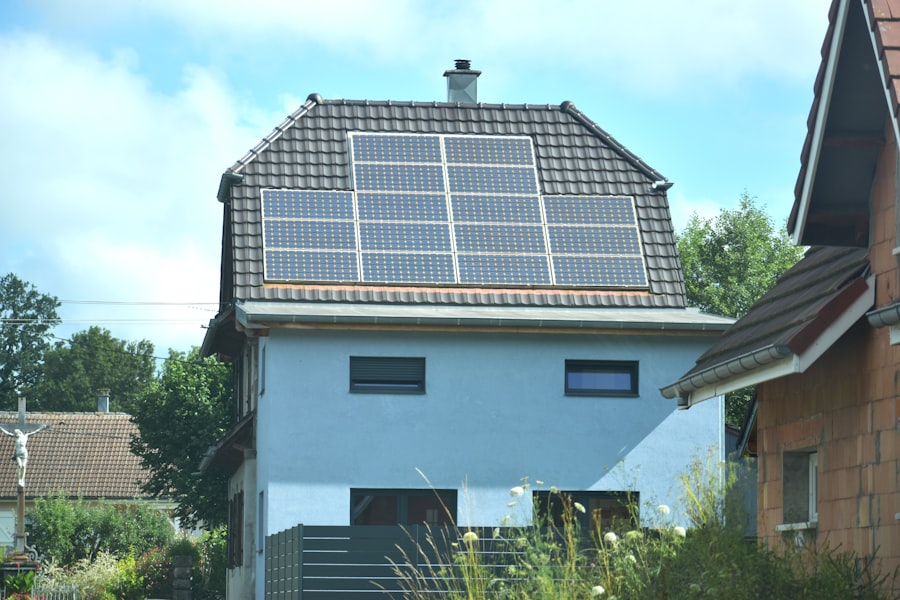
This image highlights the importance of proper whole-house generator installation for optimal performance.
Before committing to a whole-house generator installation, it’s essential to research available rebates and incentive programs that can help offset costs. Many states and local governments offer financial incentives for homeowners who invest in energy-efficient appliances, including generators. These programs can vary widely by location, so checking with local utility companies or government websites is a good starting point.
In addition to state and local incentives, federal tax credits may also be available for certain types of generators, particularly those that use renewable energy sources. Homeowners should consult with a tax professional to understand eligibility requirements and how to claim these credits effectively. Taking advantage of these rebates and incentives can significantly reduce the overall cost of installation and make the investment more appealing.
Utilizing available rebates for whole-house generator installation can significantly lower expenses.
Budgeting and Saving for Generator Installation
Creating a budget for generator installation is a critical step in the planning process. Homeowners should start by determining how much they can realistically afford to spend on a whole-house generator. This involves assessing current financial situations, including income, expenses, and any existing debts.
It’s essential to remember that budgeting for a whole-house generator installation includes all associated costs.
Once a budget is established, it’s essential to stick to it while considering all associated costs. Saving for a whole-house generator can also be approached strategically. Setting up a dedicated savings account specifically for this purpose can help homeowners accumulate funds over time.
Regular contributions to this account can make the eventual purchase less daunting. Additionally, homeowners might consider cutting back on discretionary spending or finding ways to increase their income through side jobs or freelance work to boost their savings.
By saving specifically for whole-house generator installation, homeowners can avoid financial strain.
Securing a Home Improvement Loan for Generator Installation
For those who prefer not to use personal loans or credit cards, securing a home improvement loan can be an excellent option for financing generator installation. Home improvement loans are specifically designed for renovations and upgrades, making them suitable for this type of project. These loans often come with lower interest rates compared to personal loans because they are secured by the home itself.
When considering a home improvement loan for whole-house generator installation, be aware of the terms.
When applying for a home improvement loan, homeowners should be prepared to provide documentation regarding their income, credit history, and details about the planned project. Lenders will assess these factors to determine eligibility and loan terms. It’s advisable to shop around and compare offers from different lenders to find the best rates and terms that fit individual financial situations.
Negotiating with Generator Installation Companies
Negotiating with generator installation companies can lead to significant savings on installation costs. Homeowners should approach this process with research in hand—understanding average prices for both generators and installation services in their area will provide leverage during negotiations. It’s also beneficial to obtain multiple quotes from different companies to compare prices and services offered.
Getting multiple quotes for whole-house generator installation can help you negotiate better deals.
When negotiating, homeowners should not hesitate to ask about discounts or promotions that may not be advertised. Many companies are willing to negotiate on price or offer additional services at no extra cost to secure a sale. Building rapport with the contractor can also be advantageous; expressing genuine interest in their services while being clear about budget constraints may encourage them to provide better offers.
Utilizing Home Equity for Generator Installation
Home equity can be a valuable resource when considering financing options for a whole-house generator installation. Homeowners with significant equity in their properties may qualify for a home equity line of credit (HELOC) or a home equity loan. These options allow homeowners to borrow against the value of their home at relatively low-interest rates.
Using home equity for a whole-house generator installation is a viable financing option many consider.
Using home equity for generator installation has its advantages; it often results in lower monthly payments compared to other financing methods. However, it’s crucial to approach this option with caution. Borrowing against home equity means putting one’s home at risk if payments cannot be made.
Homeowners should carefully evaluate their financial situation and ensure they have a solid repayment plan in place before proceeding with this option.
Planning for Maintenance and Operating Costs of a Whole-House Generator
Once a whole-house generator is installed, planning for ongoing maintenance and operating costs is essential for ensuring its longevity and reliability. Regular maintenance typically includes oil changes, filter replacements, and battery checks—tasks that should ideally be performed by a qualified technician at least once a year. Setting aside funds specifically for maintenance can help prevent unexpected expenses down the line.
Proper planning for maintenance of a whole-house generator installation ensures reliability.
Operating costs will vary based on how often the generator is used and its fuel type. Homeowners should familiarize themselves with fuel consumption rates and plan accordingly, especially during extended power outages when the generator may need to run continuously. Keeping track of these costs will help homeowners budget effectively and ensure they are prepared for any eventualities.
Conclusion
In summary, investing in a whole-house generator installation requires careful consideration of various factors including costs, financing options, rebates, budgeting strategies, and ongoing maintenance expenses. By taking informed steps throughout this process—such as researching financing options, negotiating with contractors, and planning for future costs—homeowners can make smart decisions that enhance their home’s resilience against power outages while managing their finances effectively.
FAQs:
How much does a whole-house generator installation cost?
Most homeowners spend between $5,000 and $15,000, depending on the size of the generator, installation complexity, and permits.
What financing options are available for generator installation?
Options include personal loans, installer financing, credit card promotions, home improvement loans, and home equity lines of credit.
Are there rebates for whole-house generators?
Yes. Some states, utility companies, and federal programs offer rebates or tax credits, especially for energy-efficient or renewable energy models.
Should I finance or save for a generator?
It depends on your financial situation. Financing spreads out costs, while saving upfront avoids interest payments.
What are the ongoing costs of owning a generator?
Annual maintenance ($100–$300), fuel costs, and occasional repairs should be factored into your budget.