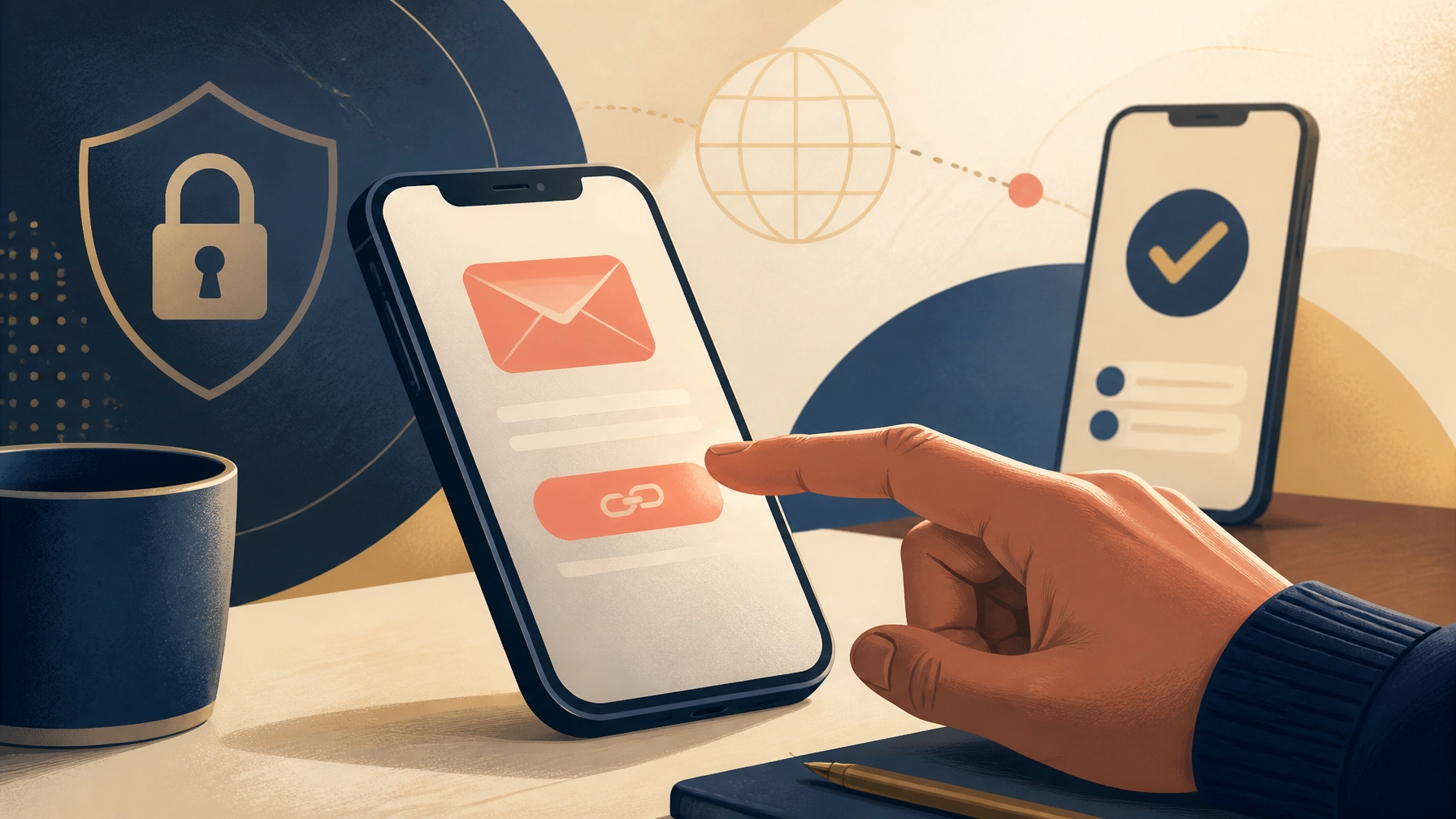
AI-powered phishing is changing how scams look and sound. A message can have perfect grammar, use your name, reference a real family member, and arrive through a familiar channel. A phone call can sound like your child, bank, employer, or healthcare provider.
The safest rule is no longer “look for typos.” It is “verify the request.”
If an unexpected message asks you to send money, share a password, provide a one-time passcode, or click a login link, stop. Verify the request using a phone number, website, or app you already trust.
What Happened: Welcome to “Phishing 3.0”
The Hacker News describes “Phishing 3.0” as a new stage of phishing shaped by artificial intelligence, automation, deepfakes, and autonomous agents.
Traditional phishing often depended on volume. Scammers sent the same message to thousands of people and hoped someone would click. The messages frequently contained spelling errors, strange formatting, generic greetings, and suspicious links.
AI changes the economics of the scam. Attackers can now create many highly personalized messages quickly. They can adjust the language for a particular person, job, age group, or financial concern. They can also move from email to text, social media, phone, or video while keeping the story consistent.
The old clues are fading:
- Bad grammar is no longer a dependable warning sign.
- A message may address you by name.
- Branding may look professional.
- The email may match the tone of a real bank, employer, or medical provider.
- Caller ID may appear familiar but still be spoofed.
- A voice or video may look and sound like someone you know.
The Hacker News also describes an “agent-versus-agent” environment. Attackers use AI agents to research targets, create lures, manage conversations, and adapt their approach. Defenders are responding with their own automated tools.
For consumers, the practical lesson is simple: a polished message is not proof that it is legitimate.
Why It Matters: Fraud Now Looks More Like Trust
Phishing is not really a grammar problem. It is a trust problem.
When a scammer convinces you that a message is from someone you know, the financial consequences can be immediate:
- A stolen password can expose your email, banking, retirement, and payment accounts.
- A fake invoice can redirect money to a scammer.
- A stolen one-time passcode can help an attacker bypass account security.
- A cloned voice can pressure a family member into sending an emergency payment.
- A fake investment personality can persuade someone to transfer savings into a fraudulent opportunity.
PCMag’s coverage of AI-driven scams emphasizes that standard security habits may not be enough when attackers target human judgment. A firewall cannot stop you from voluntarily entering your information into a fake login page. A spam filter cannot always understand whether a request from a familiar contact makes sense in context.
This is also why people should be cautious with AI influencers and fake influencers. A polished video, voice note, or livestream can create the appearance of expertise and social proof. The person may appear successful, confident, and surrounded by testimonials, while the investment advice or miracle product is entirely fabricated.
How the Scam Works
1. AI-written messages and personalized details
Scammers can use information from public social media, professional profiles, breached data, or previous conversations to make a message feel personal.
For example, an email may mention your employer, a recent purchase, a relative’s name, or a real appointment. The message then asks you to “confirm” your identity, update a payment method, or review an account alert.
TechNode Global has reported on how AI is removing the old signs of phishing, including awkward wording and obvious mistakes. The risk is not just better writing. It is better context.
2. Voice cloning and vishing
Vishing is phishing by voice call.
A scammer may use a cloned voice to sound like a family member, boss, bank employee, government representative, or healthcare worker. The caller may claim there is an emergency and ask for a wire transfer, gift cards, cryptocurrency, or account information.
The Federal Trade Commission warns consumers not to trust a voice or caller ID alone. If a person calls with an urgent request, hang up and call back using a number already saved in your contacts or printed on an official card or statement.
3. Agent-versus-agent phishing
AI agents can help attackers conduct conversations at scale. They may test different messages, shift between communication channels, or probe automated customer-service systems.
Some attacks may also flood support channels with convincing requests, making it harder for legitimate customers and employees to identify the real problem. The larger concern is speed. A scammer does not need to manually manage every conversation if software can handle much of the work.
4. Social media account takeovers
The National Cybersecurity Alliance explains that criminals may take over a social media account and use it to contact friends and followers.
Because the message comes from a real account, people may trust it without checking. The scammer might ask for money, promote a suspicious link, or claim to need help urgently.
An account takeover can also expose private messages, personal details, stored payment information, and connections that help the attacker create more convincing scams.
5. Age-based and Medicare-related attacks
Some scams target people over 50 with messages about benefits, medical coverage, prescriptions, or identity verification.
KSAT reported on a phishing campaign aimed at Medicare patients that used the MyChart name and logo and promoted supposed free goods or services. The warning is useful even if you do not use that particular patient portal. Scammers often borrow the names and visual designs of trusted healthcare systems.
A Medicare-related message that asks you to click a link, share your Medicare number, or provide banking information deserves independent verification. Do not assume a medical logo means the message is real.
The Synthetic Authority Framework
A scam using “synthetic authority” tries to manufacture the feeling that a person, message, or offer deserves your trust.
Look for four elements:
- Identity: The scammer claims to be a bank, family member, employer, doctor, government agency, or financial expert.
- Evidence: The message includes logos, personal details, professional photos, videos, testimonials, or familiar language.
- Consistency: The story continues across email, text, phone, and social media.
- Pressure: You are told to act quickly before you can verify the request.
AI makes it easier to produce all four at once. That is why you should focus less on whether the message looks professional and more on whether the requested action fits normal procedures.
What We Do Not Know Yet
Detection tools are improving, but several questions remain unsettled.
We do not know how quickly security systems will identify AI-generated scams that constantly change their wording, domains, voices, and delivery channels.
We also do not yet have clear answers about liability when an automated customer-service system, financial platform, or business AI agent is tricked. Responsibility may depend on the facts, the platform involved, and existing consumer protection laws.
For now, consumers should assume that no single tool will catch every scam. Multi-factor authentication, spam filters, caller identification, and fraud alerts are valuable layers. None replaces independent verification.
What You Should Do Next
Use this checklist whenever an unexpected message or call involves money, login credentials, benefits, or sensitive information.
- Verify through an independent channel. Call back using a number you already have, not the number in the message.
- Create a secret family codeword for urgent money requests.
- Never share one-time passcodes, passwords, or account credentials by phone, text, or email.
- Treat urgency as a red flag. Legitimate institutions rarely demand instant gift cards, wires, or cryptocurrency transfers.
- Check the sender domain carefully. Type website addresses yourself instead of clicking unexpected links.
- Turn on multi-factor authentication. Use an authenticator app rather than text codes where possible.
- Use unique passwords and a password manager.
- Monitor bank, credit card, retirement, and payment accounts.
- Set up transaction alerts so unusual activity reaches you quickly.
- Be skeptical of AI influencers and fake influencers promoting investments, miracle products, or guaranteed returns.
- Report scams to the FTC at ReportFraud.ftc.gov and notify your financial institution.
Recovery Roadmap
If you clicked a link, shared information, or sent money, act quickly and avoid shame. Scammers want victims to stay quiet.
- Stop communicating with the suspected scammer.
- Contact your bank, card issuer, payment app, or investment platform using its official contact information.
- Ask whether a transfer can be stopped, recalled, or disputed.
- Change exposed passwords, beginning with your email account.
- Sign out of unfamiliar devices and review account recovery settings.
- Turn on multi-factor authentication.
- Review recent transactions and account statements.
- If your Social Security number or identity information was exposed, visit IdentityTheft.gov for recovery guidance.
- Report the incident to the FTC at ReportFraud.ftc.gov.
- Tell trusted family members or coworkers if the scammer may contact them through your account.
For related ATMC guidance, read How to Protect Your Identity From AI Scams, Common Scam Red Flags, and The Importance of Identity Theft Protection for Your Financial Security. You can also review Reading the Fine Print to Avoid Getting Suckered and Credit Card Fraud.
FAQs: AI-powered phishing
Can AI-generated phishing emails be detected by grammar mistakes?
Not reliably. AI can produce fluent, professional messages. Grammar is no longer a strong reason to trust an unexpected email.
Is a familiar voice proof that a phone call is legitimate?
No. Voice-cloning tools can imitate a person using publicly available audio. Verify the caller through a separate, trusted channel.
Should I answer calls from unknown numbers?
Letting unfamiliar numbers go to voicemail can reduce pressure. If the caller claims to represent an institution, contact that institution through an official number.
Can multi-factor authentication stop every phishing attack?
No. Some attackers try to steal authentication codes or pressure people into approving login requests. Authenticator apps and phishing-resistant options are generally stronger than relying only on text messages.
What should I do if a social media friend asks for money?
Contact the friend through another method. Their account may have been taken over, even if the message comes from their real profile.
Are AI influencers always fake?
No. The term AI influencer describes a broad category. The important question is whether the person or account is making verifiable claims, disclosing sponsorships, and directing you toward legitimate products or services.
How can I verify an online investment opportunity?
Do not rely on videos, testimonials, or social media popularity. Independently research the person and organization, confirm registration with the appropriate regulator, and be cautious about guaranteed returns or pressure to use cryptocurrency.
Can a scammer use information from my social media profile?
Yes. Public details can help scammers personalize messages, guess relationships, imitate your style, or create convincing impersonation stories. Review privacy settings and limit sensitive information.
What if I sent a one-time passcode to a caller?
Contact the account provider immediately through its official website or phone number. Change your password, sign out other sessions, and review recent account activity.
Should I delete a suspicious message?
Save screenshots and relevant details before deleting it. The information may help your bank, email provider, social platform, or law enforcement understand what happened.
Sources and Consumer Protection Resources
- The Hacker News: Phishing 3.0 and the move to agent-versus-agent attacks
- PCMag: How to Spot AI-Driven Scams Across Your Favorite Apps
- TechNode Global: Harnessing AI in Cybersecurity
- Yahoo Tech: AI-Powered Phishing Attacks Are on the Rise
- KSAT: Latest Phishing Scam Targets Medicare Patients
- National Cybersecurity Alliance: Protect Yourself From Social Media Account Takeovers
- Federal Trade Commission: Fighting Back Against Harmful Voice Cloning
- FTC Fraud Reporting: ReportFraud.ftc.gov
- IdentityTheft.gov
The bottom line is calm but important: AI has made scams more polished, personal, and persuasive. You do not need to become a cybersecurity expert to protect yourself. Pause when a request feels urgent, verify it independently, and never let a familiar voice, professional design, or convincing video replace your own financial safeguards.

Avoid This Scam™ is the consumer protection and scam awareness desk of AskTheMoneyCoach.com. We help readers recognize, avoid, and respond to financial scams, fraud, identity theft, deceptive business practices, and online threats.
Our coverage includes scam alerts, fraud prevention strategies, consumer advocacy, practical safety guides, and expert analysis designed to help individuals and families protect their money, personal information, and financial well-being. We also explain what to do if you’ve already been targeted, because knowing how to respond can be just as important as avoiding a scam in the first place.