To avoid a rental listing scam, never send money for a security deposit or first month’s rent before you have physically toured the property and verified the landlord’s identity. Scammers often use hijacked photos from real listings to lure victims with “too good to be true” prices. If a landlord refuses an in-person tour, pressures you to pay via wire transfer or cryptocurrency, or claims to be out of the country, walk away immediately.
Finding a new home is already a stressful process. Whether you are relocating for a new job or looking to get your personal finances back on track, the pressure to secure a place can cloud your judgment. This is exactly what fraudsters count on. Rental scams have become increasingly sophisticated, moving beyond poorly written ads to high-quality “phantom” listings that look completely legitimate.
In this installment of our Avoid This Scam™ series, we will break down how these predatory schemes operate, the red flags you must watch for, and the concrete steps you can take to protect your bank account and your identity.
How the Rental Listing Scam Works
Rental scams generally fall into two categories: hijacked listings and phantom rentals. In both scenarios, the goal of the criminal is to collect “holding fees” or deposits and then disappear before the victim realizes the property was never available.
Hijacked Listings
In a hijacked listing, a scammer finds a real house or apartment for rent on a reputable site. They copy the photos, the description, and the address. They then create a new ad on a different platform, such as a social media marketplace or a free classifieds site, but they change the contact information to their own. Often, they will list the rent significantly lower than the original price to generate a high volume of leads quickly.
Phantom Rentals
Phantom rentals are entirely fabricated. The scammer creates an ad for a property that does not exist or is not currently for rent. They might use photos from a house that was recently sold or a vacation rental from a different city. Since the property is a “phantom,” you will never be able to see the inside of the unit.
Critical Warning Signs of a Rental Scam
Recognizing the warning signs early can save you thousands of dollars. While some scams are obvious, others require a keen eye for detail.
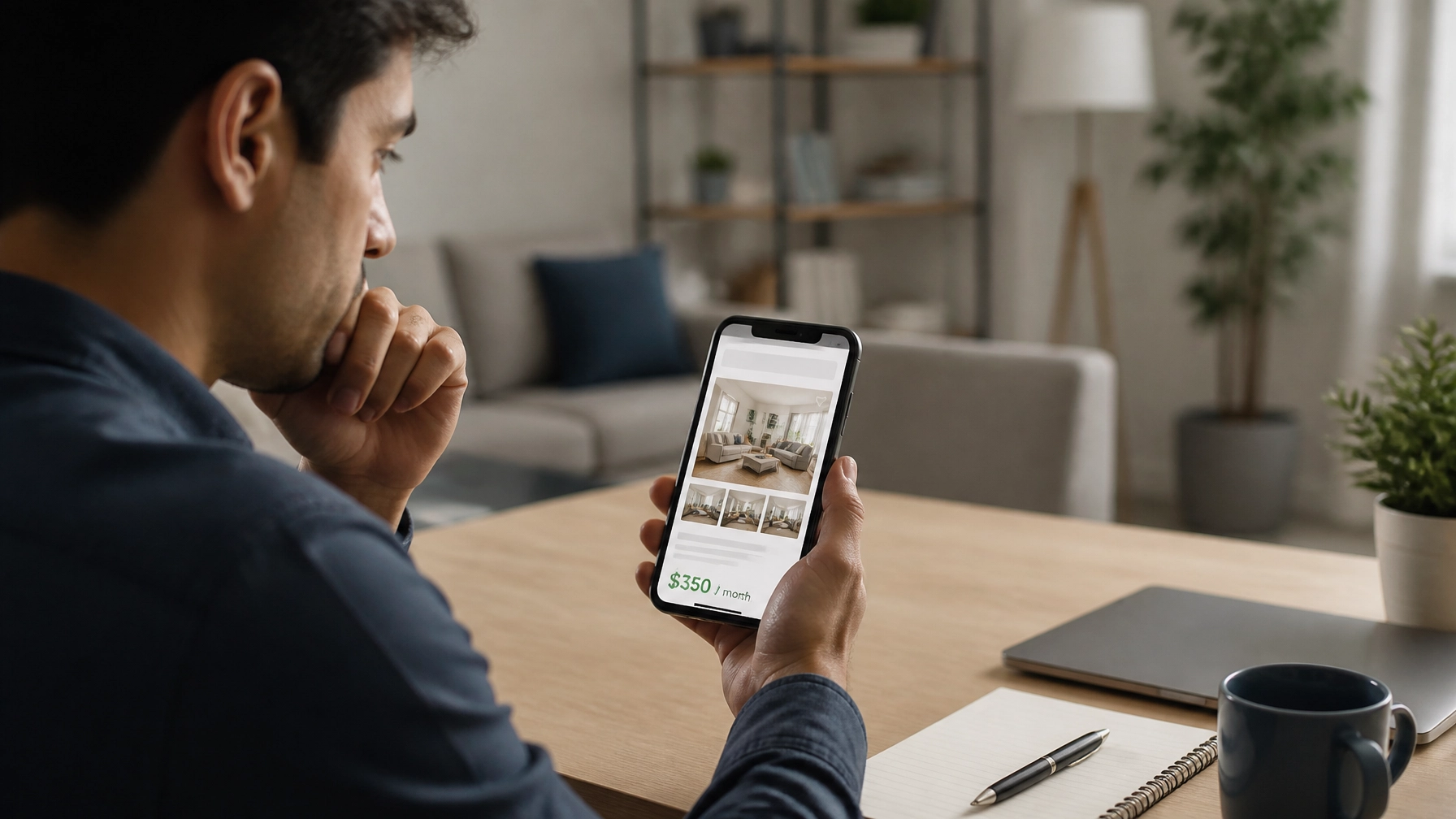
- The Price is Unusually Low: If every other one-bedroom apartment in the neighborhood is $1,800 and you find one for $1,100, be extremely cautious. Market value exists for a reason. If it sounds like a steal, it is likely a scam.
- The “Out of Town” Landlord: A common excuse used by scammers is that they are currently abroad, doing missionary work, or handling a family emergency. Because they are away, they cannot show you the property, but they promise to mail you the keys once the deposit is paid.
- The Refusal to Meet in Person: A legitimate property manager or landlord will almost always want to meet you and vet you as much as you want to vet them. If they avoid a face-to-face meeting or a live video tour, do not move forward.
- Requests for Untraceable Payments: Scammers love wire transfers (like Western Union), gift cards, cryptocurrency, and peer-to-peer apps like Zelle or CashApp. These payments are nearly impossible to reverse.
- High Pressure and Urgency: If the person tells you that ten other people are interested and you must pay right now to “lock it in,” they are trying to bypass your critical thinking skills.
- Poor Grammar and Over-Explaining: Many international scammers use templates. If the email is filled with grammatical errors or contains a long, irrelevant story about why they are renting the place, it is a red flag.
Prevention Strategies: How to Protect Your Money
Before you sign any lease or hand over a single dollar, follow this due diligence checklist to ensure the person you are dealing with is legitimate.
1. Verify the Property and the Owner
Do a quick search of the property address. If you find the same photos listed on another site with a different price or contact name, you have likely found a hijacked listing. You can also check local property tax records to see who the actual owner of the home is.
2. Insist on a Tour
Always see the property in person before paying. If you are moving from out of state, ask a friend who lives in the area to go for you. Alternatively, request a live video tour where the person can show you specific details of the unit, such as looking out the window to verify the street or opening a specific cabinet.
3. Use Safe Platforms for Your Search
While scams can happen anywhere, they are more prevalent on sites with fewer verification hurdles. When searching, consider using professional platforms like:
- Zillow: Known for its high traffic and “verified” tags on many listings.
- Apartments.com: Offers extensive search filters and generally high-quality listings.
- Realtor.com: Pulls data from Multiple Listing Services (MLS) which are highly regulated.
- Rent.com: Focuses heavily on apartment complexes and property management companies.
4. Never Give Out Sensitive Information Early
A legitimate landlord will eventually need your Social Security number for a background check. However, you should never provide this on an initial inquiry or a sketchy-looking website. Ensure the application process is handled through a secure, well-known third-party portal. Protecting your identity is as important as navigating insurance options or other major life decisions.
What to Do If You Have Been Scammed
If you realize you have been a victim of a rental scam, you must act quickly to mitigate the damage.
- Contact Your Financial Institution: If you paid via bank transfer or credit card, call your bank immediately to see if the transaction can be stopped or disputed.
- Report to the Platform: Notify the website where you found the ad. They can remove the listing to prevent others from falling victim.
- File a Police Report: While local police may have limited reach for international scams, a report is often necessary for insurance claims or identity theft protections.
- Report to Federal Authorities: File a complaint with the FBI’s Internet Crime Complaint Center (IC3) and the Federal Trade Commission (FTC). These agencies track patterns of fraud to shut down criminal networks.
- Protect Your Identity: If you provided your Social Security number, place a credit freeze on your files with Equifax, Experian, and TransUnion.
Final Thoughts on Rental Security
Rental scams are designed to exploit your hope and your haste. By slowing down the process, asking the right questions, and refusing to pay until you have seen the unit, you make yourself a difficult target. Remember, a real landlord wants a reliable tenant who respects the property. If the person on the other end of the phone only seems interested in how fast you can send money, that is your cue to walk away.
Investing time in due diligence is just as important as choosing a financial advisor. Your safety and financial security are worth the extra effort. Stay vigilant, trust your gut, and never let the fear of missing out lead you into a financial trap.
FAQ: Common Questions About Rental Listing Scams
Can a scammer have the keys to a house?
Yes, occasionally scammers gain access to vacant homes through locksmiths or by breaking in. They may then show the property to multiple “tenants” and collect deposits from everyone before disappearing.
Is it safe to pay an application fee before seeing a place?
In high-demand markets, some property managers require an application fee upfront. However, you should only do this if the company is a well-known, reputable property management firm with a physical office you can verify.
Why do scammers want me to use Zelle or Cash App?
These apps are designed for sending money to people you know and trust personally. Once the money is sent, it can be very difficult to recover, which makes these payment methods attractive to fraudsters.
How can I tell if a lease agreement is fake?
A fake lease often lacks specific details such as the landlord’s contact information, maintenance responsibilities, or the exact terms of the security deposit. If the lease looks like a generic one-page document, be suspicious.
Should I ever pay for a “credit check” on a website the landlord sends me?
Be careful. Some scammers use “credit check scams” in which a link is designed to steal your Social Security number or credit card information. Whenever possible, use a reputable, third-party screening service.
Can I get my money back if I was scammed on Craigslist?
It can be very difficult. Craigslist is a platform, not a payment processor, and it does not offer buyer protection. Your options may depend on your bank or the payment service you used, but recovering money sent by wire transfer can be especially difficult.
Is a “virtual tour” safe enough?
A pre-recorded video tour is not necessarily safe because it could have been copied from a legitimate listing. A live video tour, where the person responds to specific requests such as “show me the pantry,” provides stronger evidence that they have access to the property but still carries some risk.
What if the landlord claims they are a “private owner” and don’t use a company?
Many legitimate landlords are private owners. In this case, be especially diligent about verifying their identity through public property records and meeting them at the property.
Are social media marketplace rentals more dangerous?
They can carry additional risks because social media marketplaces may have less specialized oversight than dedicated real estate platforms. Always cross-reference a listing found on social media with other reputable real estate sources.
What is a “phantom rental”?
A phantom rental is an advertisement for a property that does not exist or is not actually available for rent. The photos are often stolen from old real estate listings or vacation rental websites.
How do I report a rental scam to the government?
In the United States, you can report rental fraud to the Federal Trade Commission through ReportFraud.ftc.gov and to the FBI’s Internet Crime Complaint Center (IC3) at ic3.gov.
Can a landlord ask for my Social Security number?
Yes. Legitimate landlords or property managers may request your Social Security number as part of a credit or background check. However, verify the property and the landlord’s identity before providing sensitive personal information.

Abdul Qadeer is a freelance writer and SEO assistant for AskTheMoneyCoach.com, the award-winning financial education platform founded by Lynnette Khalfani-Cox, also known as The Money Coach.
He collaborates closely with Lynnette and the editorial team to produce accurate, actionable content focused on personal finance, credit, and wealth-building strategies.
Abdul combines his SEO expertise with a passion for financial literacy to help readers make smarter money decisions and discover trusted financial resources.