Medicare Open Enrollment happens every year from October 15 through December 7. As that window approaches, many older adults receive a flood of calls, texts, emails, and mailings about coverage, benefits, and plan changes.
Some contacts may be legitimate marketing. Others are designed to steal your Medicare number, Social Security number, banking information, or credit card details.
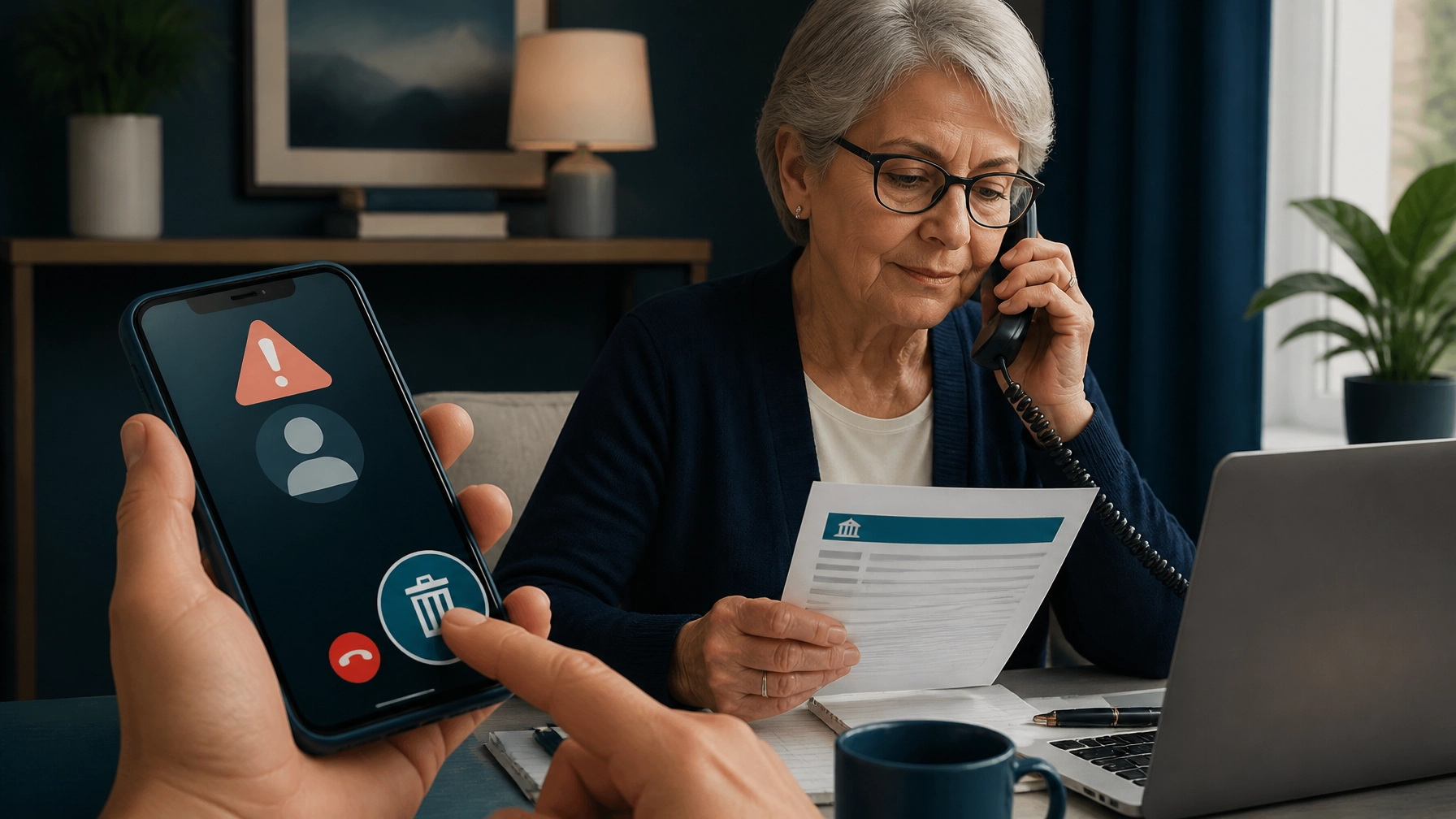
The safest rule is straightforward: Medicare does not make unsolicited calls, texts, or emails asking for your personal or financial information. If someone contacts you unexpectedly and asks you to “verify” your information, hang up.
What is happening before Medicare Open Enrollment?
Consumer reports have highlighted a seasonal increase in Medicare-related scam attempts before the annual enrollment period. In recent coverage, seniors described being inundated with calls promising new benefits, updated cards, or plan improvements.
The timing is intentional. Open Enrollment creates a believable reason for someone to contact you. A caller may say:
- Your Medicare card needs to be replaced
- You qualify for an upgraded or more valuable card
- Your benefits could be canceled
- You must confirm your information before enrollment closes
- You are eligible for free medical equipment, genetic testing, or other benefits
The goal is usually to obtain information that can be used for medical identity theft, fraudulent claims, account takeovers, or financial fraud.
How the Medicare scam call works
A typical scam may follow this pattern:
- An unexpected contact arrives. The caller may claim to represent Medicare, an insurance company, or a government benefits office.
- The caller creates urgency. You may be told that you must act immediately to avoid losing coverage.
- The caller requests sensitive information. This may include your Medicare number, Social Security number, date of birth, bank account number, or credit card number.
- The scammer may use caller ID spoofing. Your phone may display “Medicare,” a government-looking number, or a familiar local area code. Caller ID can be manipulated and is not proof of identity.
- The information is misused. It may be used to submit false medical claims, change plan information, open accounts, or target you with additional scams.
The caller may sound polished and may already know your name, address, or partial personal details. That does not make the contact legitimate. Personal information is widely circulated through data breaches, public records, and marketing databases.
Medicare scam call red flags
Treat the following warning signs seriously:
- You did not contact Medicare first, but someone claims Medicare needs your information
- The caller asks you to confirm your Medicare number or Social Security number
- Someone offers a “new,” “upgraded,” plastic, or special Medicare card
- The caller threatens to cancel your benefits if you do not respond
- You are promised free equipment, genetic testing, gifts, or cash in exchange for your Medicare number
- The caller demands a payment for a Medicare card
- You are pressured to enroll in a plan immediately
- The caller refuses to identify the organization clearly
- The caller insists you use a phone number, website, or link they provide
- You are asked to join a plan over the phone even though you did not request assistance
Medicare cards are mailed automatically and do not require a fee. Medicare also says it will only call and ask for personal information in limited situations, such as returning a call you initiated or contacting you after you joined a plan.
What to do when you receive a suspicious call
Use this five-step response:
1. Hang up
Do not argue with the caller or try to expose the scam. End the conversation. A legitimate organization will not penalize you for taking time to verify a request independently.
2. Share nothing
Do not provide your Medicare number, Social Security number, banking information, credit card number, passwords, or one-time verification codes.
3. Do not call back using the caller’s number
Instead, find the official contact information on your Medicare card or visit Medicare.gov. To speak with Medicare, call 1-800-MEDICARE, or 1-800-633-4227.
4. Delete suspicious texts and emails
Do not click links, open attachments, or reply to messages that ask you to update benefits or confirm personal information. If you are unsure, open a new browser window and type Medicare.gov yourself.
5. Record the details
Write down the date, phone number, caller’s stated organization, and what the person requested. Do not call the number back. These details can help when you report the incident.
For more guidance on suspicious phone contacts, review ATMC’s guide to scam calls and spoofed numbers.
How to compare Medicare plans safely
Open Enrollment is a legitimate time to review coverage. The presence of scammers does not mean you should ignore your healthcare decisions.
Use independent, official channels:
- Review plan information at Medicare.gov
- Call 1-800-MEDICARE using the number on your card or the official website
- Contact your state’s State Health Insurance Assistance Program for free counseling
- Avoid making a plan decision during an unsolicited call
- Be cautious of “free” offers tied to your Medicare number
- Read plan materials carefully, including premiums, deductibles, provider networks, prescription coverage, and out-of-pocket limits
A plan representative may contact you in certain legitimate circumstances. However, you should still verify the organization independently and avoid sharing information until you are confident about who is requesting it and why.
Check your Medicare statements
Scams do not always end with a suspicious call. Someone who obtains your Medicare number may try to submit false claims for services, medical equipment, tests, or treatments you never received.
Review your:
- Medicare Summary Notice, or MSN, if you have Original Medicare
- Explanation of Benefits, or EOB, from a Medicare Advantage or prescription drug plan
- Provider bills and receipts
- Secure Medicare account activity
Compare the dates and services on your statements with your calendar and medical records. An unfamiliar charge may be a billing error rather than intentional fraud, so contact the provider or plan first when appropriate. If the explanation does not resolve the concern, seek help from Medicare or your local Senior Medicare Patrol.
What to do if you shared information
Act quickly, but do not panic.
- Shared your Medicare number: Call 1-800-MEDICARE and explain what happened.
- See a suspicious claim: Contact the provider or plan, then report suspected fraud to Medicare.
- Shared bank or credit card information: Contact your financial institution immediately and ask about account monitoring, replacement cards, or transaction restrictions.
- Shared your Social Security number: Use the FTC’s IdentityTheft.gov recovery guide.
- Need help reviewing possible Medicare fraud: Contact your local Senior Medicare Patrol.
- Want to report the scam call: Submit a report at ReportFraud.ftc.gov.
You can also report Medicare fraud through the official Medicare fraud and abuse page.
How caregivers can help older family members
Scammers often rely on pressure, isolation, and confusion. A simple household plan can reduce the risk:
- Agree that no one will provide Medicare information during an unexpected call
- Keep the official Medicare number in a visible, trusted location
- Encourage the older adult to hang up and consult a family member
- Review Medicare statements together
- Set up a process for checking unfamiliar mail, texts, and calls
- Avoid blaming someone who was deceived, because shame can delay reporting
The same practical approach applies to other impersonation schemes. ATMC’s guide to AI voice cloning and in-person impersonation scams explains why familiar voices and official-sounding requests should still be verified independently.
The bottom line
Medicare Open Enrollment is a legitimate annual opportunity to review your coverage. It is not a reason to surrender your personal information to an unexpected caller.
Hang up. Do not share your Medicare number. Verify through Medicare.gov or 1-800-MEDICARE. Review your statements, and report suspicious activity even if you did not lose money.
The sooner you recognize the pattern, the easier it is to protect your healthcare, your cash flow, and your identity.
FAQs: Medicare Scam Calls: How to Stay Safe
1. Does Medicare ever call beneficiaries?
Medicare may call in limited circumstances, such as returning a call you made or contacting you after you joined a plan. Medicare does not unexpectedly call, text, or email asking for sensitive information or payment.
2. Is a call legitimate if my caller ID says Medicare?
No. Caller ID can be spoofed. Hang up and call the official number on your Medicare card or 1-800-MEDICARE.
3. Can someone charge me for a replacement Medicare card?
No. Medicare cards are mailed automatically and do not require a fee. An unexpected request for payment is a warning sign.
4. When is Medicare Open Enrollment?
The annual Medicare Open Enrollment period runs from October 15 through December 7. Coverage changes generally take effect according to Medicare’s published enrollment rules.
5. Can I compare plans online?
Yes. Use Medicare.gov or contact your state’s free SHIP counseling program. Do not rely on a link sent by an unexpected caller or text message.
6. Should I give my Medicare number to my doctor?
You may need to provide it to legitimate healthcare providers, insurers, or trusted Medicare-related programs. Do not provide it to an unsolicited caller, texter, or visitor.
7. What if I only gave the scammer my name and address?
Continue to be cautious. Scammers may use basic information to make a later request sound more credible. Watch for follow-up calls, emails, and mailings, and report the incident if the contact involved deception.
8. What if I received a suspicious Medicare text?
Do not click, reply, or call the number in the message. Take a screenshot if useful for reporting, then delete it and verify any benefit question through Medicare.gov.
9. How can I report a Medicare impersonation scam?
Call 1-800-MEDICARE and report the incident to the FTC at ReportFraud.ftc.gov. A local Senior Medicare Patrol can also help with suspected fraud, errors, or abuse.
10. How can a caregiver help prevent Medicare scams?
Help create a rule that unexpected callers never receive personal information. Review statements together, keep official contact numbers available, and encourage the older adult to ask for help before making a coverage decision.
Avoid This Scam™ is the consumer protection and scam awareness desk of AskTheMoneyCoach.com. We help readers recognize, avoid, and respond to financial scams, fraud, identity theft, deceptive business practices, and online threats.
Our coverage includes scam alerts, fraud prevention strategies, consumer advocacy, practical safety guides, and expert analysis designed to help individuals and families protect their money, personal information, and financial well-being. We also explain what to do if you’ve already been targeted, because knowing how to respond can be just as important as avoiding a scam in the first place.