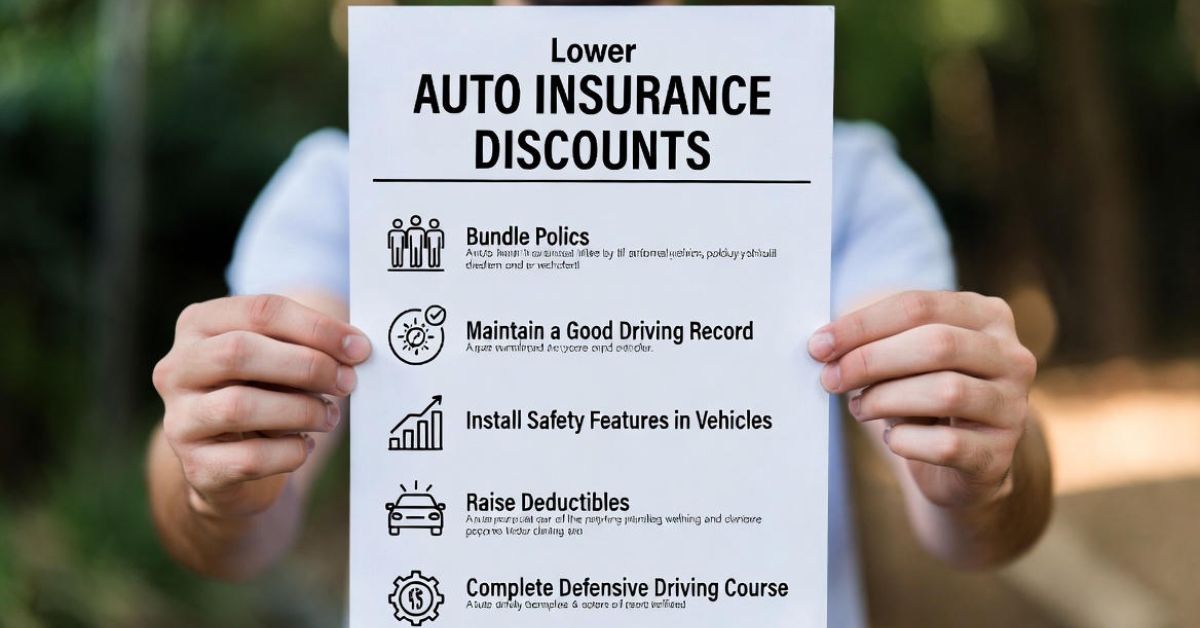
Auto insurance discounts allow drivers to lower their premiums by meeting specific eligibility criteria set by insurers. These savings are often tied to driving habits, policy structure, vehicle features, or professional affiliations. This guide explains how these savings work, who qualifies, and how to unlock them without reducing coverage.
Key Takeaways
-
Insurers reward lower-risk drivers with reduced premiums.
-
Many savings are not applied unless requested or verified.
-
Low-mileage and usage-based programs can cut costs significantly.
-
Certain professions and service backgrounds qualify for special pricing.
-
Annual policy reviews often uncover new savings opportunities.
-
Comparing insurers matters because eligibility rules differ.
What Are Auto Insurance Discounts?
These discounts are pricing incentives offered by insurers to drivers who present a lower financial risk. Rather than being a single benefit, they are layered reductions that can be combined when eligibility overlaps.
Each company defines its own criteria, which means two drivers with identical profiles may receive different pricing from different insurers. This variability makes understanding discount categories especially important.
How insurers evaluate eligibility
Eligibility is usually based on measurable factors such as driving records, annual mileage, safety features, or verified employment status. Some reductions apply automatically, while others require documentation or enrollment.
Why Do These Discounts Matter for Your Premium?
Even modest percentage reductions can have a meaningful long-term impact. A 10% reduction applied annually compounds into hundreds or even thousands of dollars over several policy cycles.
According to the Insurance Information Institute (III), insurers rely heavily on risk-based pricing models, meaning safer behaviors and predictable usage patterns directly influence premium costs.
The compounding effect
Drivers who maintain continuous coverage and qualify for multiple reductions often benefit from loyalty-based pricing over time.
How Can Drivers Qualify for Savings Opportunities?
Driving behavior and mileage
Safe and predictable driving is one of the strongest indicators insurers reward.
-
Clean driving records over several years
-
Participation in telematics or usage-based programs
-
Reduced annual mileage due to remote or hybrid work
Programs aimed at low mileage drivers are particularly valuable for retirees, city residents, and remote workers.
Policy and payment structure
How a policy is managed also affects pricing.
-
Bundling multiple policies under one carrier
-
Paying the full premium upfront
-
Enrolling in automatic payments or paperless billing
These adjustments lower administrative risk and costs for insurers.
Vehicle-related factors
Modern vehicles with safety and theft-prevention features often qualify for lower rates. Cars with strong crash ratings or alternative fuel systems may also receive incentives.
Which Groups Commonly Qualify for Special Pricing?
Seniors and experienced drivers
Many insurers offer savings for older drivers who complete approved defensive driving courses. These programs help refresh skills and reduce claim frequency.
Educators, nurses, and healthcare workers
Stable employment and predictable schedules contribute to lower claim risk. As a result, auto insurance discounts for teachers, nurses, and healthcare workers are commonly available through employer or association partnerships.
First responders and government employees
Police officers, firefighters, EMTs, and public-sector workers may qualify for occupation-based reductions. Auto insurance discounts for federal employees are often tied to verified employment credentials.
Veterans and active service members
Military service is another factor insurers recognize. Auto insurance discounts for veterans may include deployment-related storage benefits or long-term loyalty incentives.
Can Location Affect Eligibility?
State-based considerations
Geography influences both risk and pricing. For example, auto insurance discounts in Texas may include state-approved defensive driving programs or mileage-based incentives due to long commute distances.
Urban density, weather exposure, and regional claim data all affect how insurers apply savings.
What Mistakes Prevent Drivers From Saving More?
A common mistake is assuming all reductions are applied automatically. Many require annual verification, especially those tied to profession, mileage, or education.
Another issue is failing to update policies after lifestyle changes such as retirement, job changes, or reduced commuting.
Skipping comparison shopping
Each insurer weights risk differently. Not comparing quotes often means missing better-aligned pricing elsewhere.
What Are the Long-Term Benefits of Managing Discounts?
Actively managing savings leads to more predictable insurance costs and fewer coverage gaps. Drivers who review policies annually are more likely to maintain continuous coverage, which itself reduces pricing volatility.
Over time, responsible policy management improves insurability and affordability.
Conclusion: What’s the Smart Next Step?
Understanding how insurers evaluate risk gives drivers leverage. Reviewing eligibility annually, documenting life changes, and comparing providers ensures you capture every available saving without sacrificing protection.
FAQs
Do these savings really reduce premiums long-term?
Yes. When applied consistently, they can significantly lower total insurance costs over several years.
Are professional-based reductions guaranteed?
No. Availability depends on the insurer and may require proof of employment or membership.
Is reduced driving enough to qualify for lower rates?
Often yes, especially through usage-based or mileage-focused programs.
Do seniors need to retake courses to maintain eligibility?
Some insurers require refresher courses every few years to keep the benefit active.
How often should policies be reviewed for new savings?
At least once per year or after any major lifestyle change.