Budgeting for auto repairs is a crucial aspect of vehicle ownership that often gets overlooked. Many car owners tend to focus solely on the initial purchase price and ongoing fuel costs, neglecting the inevitable expenses associated with maintenance and repairs. By establishing a budget specifically for auto repairs, you can ensure that you are financially prepared for any unexpected issues that may arise. Effective auto repair budgeting is essential for maintaining your vehicle’s value.
This proactive approach not only helps in managing your finances but also contributes to the longevity and reliability of your vehicle. Moreover, budgeting for auto repairs allows you to make informed decisions about your vehicle’s maintenance needs. When you have a clear understanding of your financial limits, you can prioritize necessary repairs and avoid costly last-minute fixes that often arise from neglect. Keeping a close eye on auto repair budgeting can save you significant amounts in the long run.
A well-planned budget can also help you identify patterns in your vehicle’s maintenance needs, enabling you to anticipate future expenses and allocate funds accordingly. In essence, budgeting for auto repairs is not just about managing costs; it’s about fostering a responsible and informed approach to vehicle ownership.
To master auto repair budgeting, consider tracking your expenses over a few months to gain insights into typical costs. This will allow you to create a more accurate budget that reflects your vehicle’s specific needs.
Key Takeaways
- Budgeting for auto repairs is important to avoid financial strain and unexpected expenses.
- Identifying wear items in your vehicle can help you anticipate and plan for necessary replacements.
- Estimating costs for wear item replacements can help you budget and save for future repairs.
- Planning for emergencies and unexpected repairs is crucial to avoid financial stress and maintain your vehicle’s performance.
- Setting aside a maintenance fund can help you cover regular maintenance and unexpected repairs without impacting your budget.
Identifying Wear Items in Your Vehicle for Auto Repair Budgeting
Identifying wear items in your vehicle is essential for effective budgeting and maintenance planning. Wear items are components that naturally degrade over time due to regular use, and they require periodic inspection and replacement to ensure your vehicle operates safely and efficiently. Common wear items include brake pads, tires, wiper blades, and belts.
Regular monitoring of wear items is a key element in successful auto repair budgeting.
Understanding which parts of your vehicle are prone to wear can help you stay ahead of potential issues and budget accordingly. To effectively identify these wear items, it’s important to familiarize yourself with your vehicle’s maintenance schedule as outlined in the owner’s manual. This document provides valuable insights into when specific components should be inspected or replaced based on mileage or time intervals.
Additionally, regular visual inspections can help you spot signs of wear before they become serious problems. For instance, checking the tread depth on your tires or listening for unusual noises when braking can alert you to issues that need immediate attention. By being proactive in identifying wear items, you can better allocate funds for replacements and avoid unexpected repair costs down the line.
Estimating Costs for Wear Item Replacements in Your Auto Repair Budgeting
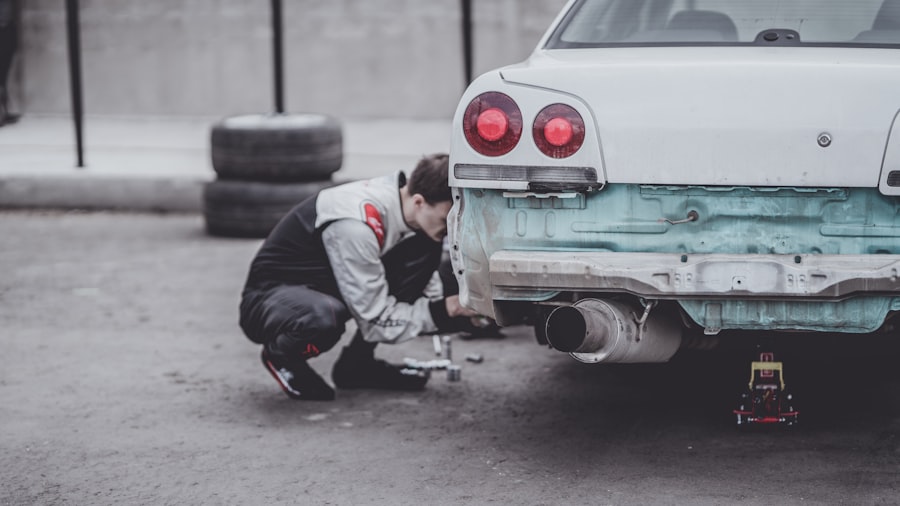
Estimating costs for wear item replacements is a vital step in creating a realistic budget for auto repairs. The costs associated with replacing wear items can vary significantly based on factors such as the make and model of your vehicle, the quality of parts used, and labor rates in your area. To get a clearer picture of potential expenses, start by researching the average costs for common wear item replacements specific to your vehicle type.
Accurate cost estimation is imperative in formulating a robust auto repair budgeting plan.
One effective way to estimate these costs is by consulting online resources or automotive forums where other vehicle owners share their experiences. Websites like RepairPal or YourMechanic provide cost estimates for various repairs based on your location and vehicle model. Additionally, consider reaching out to local mechanics for quotes on specific services.
This not only gives you a better understanding of potential costs but also helps you build relationships with trusted professionals who can assist you in the future. By gathering this information, you can create a more accurate budget that reflects the true costs of maintaining your vehicle.
Planning for Emergencies and Unexpected Repairs in Your Auto Repair Budgeting
Planning for emergencies and unexpected repairs is an essential component of any comprehensive auto repair budget. Despite our best efforts to maintain our vehicles, unforeseen issues can arise at any time—be it a sudden breakdown or an accident that requires immediate attention. Having a financial cushion set aside specifically for these emergencies can alleviate stress and prevent financial strain when the unexpected occurs.
Incorporating emergency funds into your auto repair budgeting can relieve financial pressure.
To effectively plan for emergencies, consider setting aside a specific percentage of your monthly budget dedicated to auto repairs. A common recommendation is to allocate around 10% of your monthly income or a fixed amount that aligns with your overall financial situation. This fund should be separate from your regular maintenance budget, allowing you to tap into it only when necessary.
Additionally, regularly reviewing and adjusting this fund based on your vehicle’s age and condition can help ensure that you’re adequately prepared for any surprises that may come your way.
Setting Aside a Maintenance Fund for Auto Repair Budgeting
Setting aside a maintenance fund is a proactive strategy that can significantly ease the financial burden of auto repairs over time. This fund acts as a dedicated savings account specifically earmarked for routine maintenance and wear item replacements, allowing you to manage these expenses without disrupting your overall budget. By contributing regularly to this fund, you create a safety net that ensures you’re always prepared for necessary upkeep.
To establish a maintenance fund, start by determining how much you typically spend on maintenance annually. This figure can be derived from past expenses or estimated based on the average costs associated with your vehicle’s make and model. Once you have this number, divide it by 12 to determine how much you should set aside each month.
Automating this process by setting up a direct transfer from your checking account to your maintenance fund can help ensure consistency and discipline in saving. Over time, this fund will grow, providing peace of mind knowing that you’re financially equipped to handle routine maintenance without stress.
Prioritizing Repairs and Maintenance in Your Auto Repair Budgeting
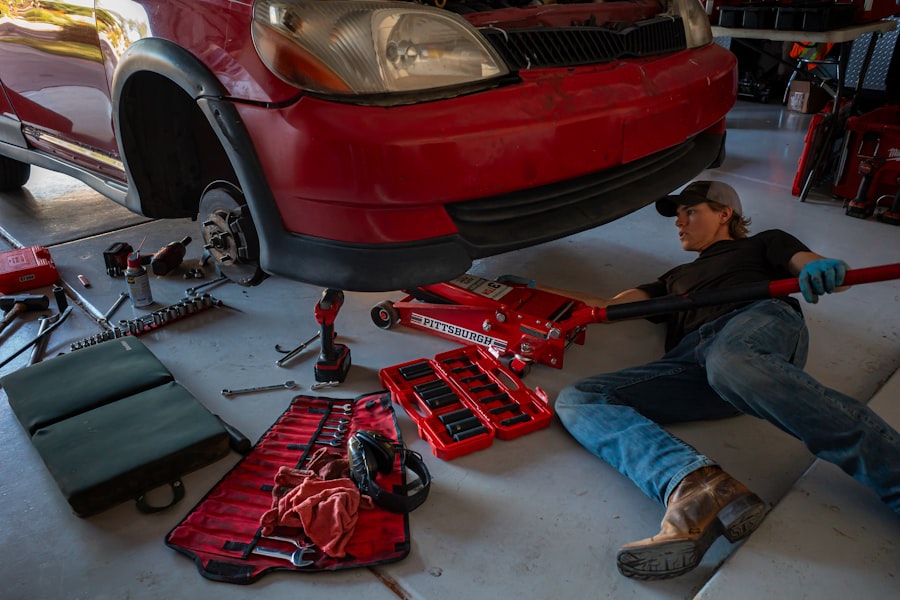
Prioritizing repairs and maintenance is crucial for effective budgeting and ensuring the safety and reliability of your vehicle. Not all repairs are created equal; some are urgent and require immediate attention, while others can be scheduled for a later date without compromising safety or performance. Understanding how to prioritize these needs can help you allocate your budget more effectively.
Prioritization is key to effective auto repair budgeting.
Start by categorizing repairs into three main groups: urgent, necessary, and optional. Urgent repairs are those that pose immediate safety risks or could lead to further damage if not addressed promptly—such as brake issues or tire blowouts. Necessary repairs are important for maintaining the vehicle’s performance but may not require immediate action—like replacing worn-out wiper blades or changing oil.
Optional repairs are those that enhance comfort or aesthetics but do not impact safety or functionality—such as upgrading audio systems or cosmetic fixes. By clearly defining these categories, you can make informed decisions about where to allocate your repair budget first.
Seeking Professional Advice for Auto Repair Budgeting
Seeking professional advice for budgeting can provide valuable insights into managing auto repair costs effectively. Automotive professionals possess extensive knowledge about common issues specific to various makes and models, as well as insights into labor rates and parts pricing in your area. Consulting with a trusted mechanic or automotive advisor can help you create a more accurate budget tailored to your vehicle’s needs.
When seeking professional advice, consider scheduling regular check-ups with a mechanic who understands your vehicle’s history and condition. During these visits, ask questions about upcoming maintenance needs and potential issues that may arise based on the age and mileage of your car. Additionally, don’t hesitate to discuss budgeting strategies with them; many mechanics are willing to share tips on how to save money on repairs or recommend reliable aftermarket parts that can reduce costs without sacrificing quality.
By leveraging their expertise, you can develop a more comprehensive understanding of how to manage your auto repair budget effectively.
Tips for Saving on Auto Repairs and Maintenance through Effective Auto Repair Budgeting
Saving on auto repairs and maintenance is an achievable goal with the right strategies in place. One effective way to cut costs is by performing routine maintenance tasks yourself when possible. Simple tasks such as changing oil, replacing air filters, or rotating tires can save you significant labor costs if you’re comfortable doing them.
There are numerous online tutorials available that guide you through these processes step-by-step. Another way to save is by shopping around for parts and services before committing to any repair work. Prices can vary widely between different shops, so obtaining multiple quotes can help ensure you’re getting the best deal possible.
Auto repair budgeting strategies allow you to manage costs efficiently.
In conclusion, budgeting for auto repairs is an essential practice that promotes responsible vehicle ownership while ensuring financial preparedness for both routine maintenance and unexpected issues. By recognizing the importance of auto repair budgeting, you become a more informed and proactive vehicle owner.
By identifying wear items, estimating costs, planning for emergencies, setting aside dedicated funds, prioritizing repairs, seeking professional advice, and implementing cost-saving strategies, you can navigate the complexities of auto repair budgeting with confidence and ease.
FAQs:
What are wear items in a car?
Wear items are parts that naturally deteriorate with use, such as brake pads, tires, belts, and wiper blades. They require periodic replacement to keep your car safe and reliable.
How much should I save for car repairs each month?
A good rule of thumb is to save about 10% of your monthly income or set aside a fixed amount based on your vehicle’s age and condition.
Should I have a separate fund for emergencies and maintenance?
Yes. A maintenance fund covers routine care, while an emergency fund is reserved for sudden breakdowns or accidents. Keeping them separate helps you stay financially organized.
How do I prioritize car repairs?
Categorize repairs into urgent (safety issues), necessary (performance-related), and optional (comfort or cosmetic) to ensure your budget covers the most important needs first.
Can I save money by doing repairs myself?
Yes. Simple tasks like oil changes, filter replacements, and tire rotations can save significant labor costs if you’re comfortable with basic DIY auto care.