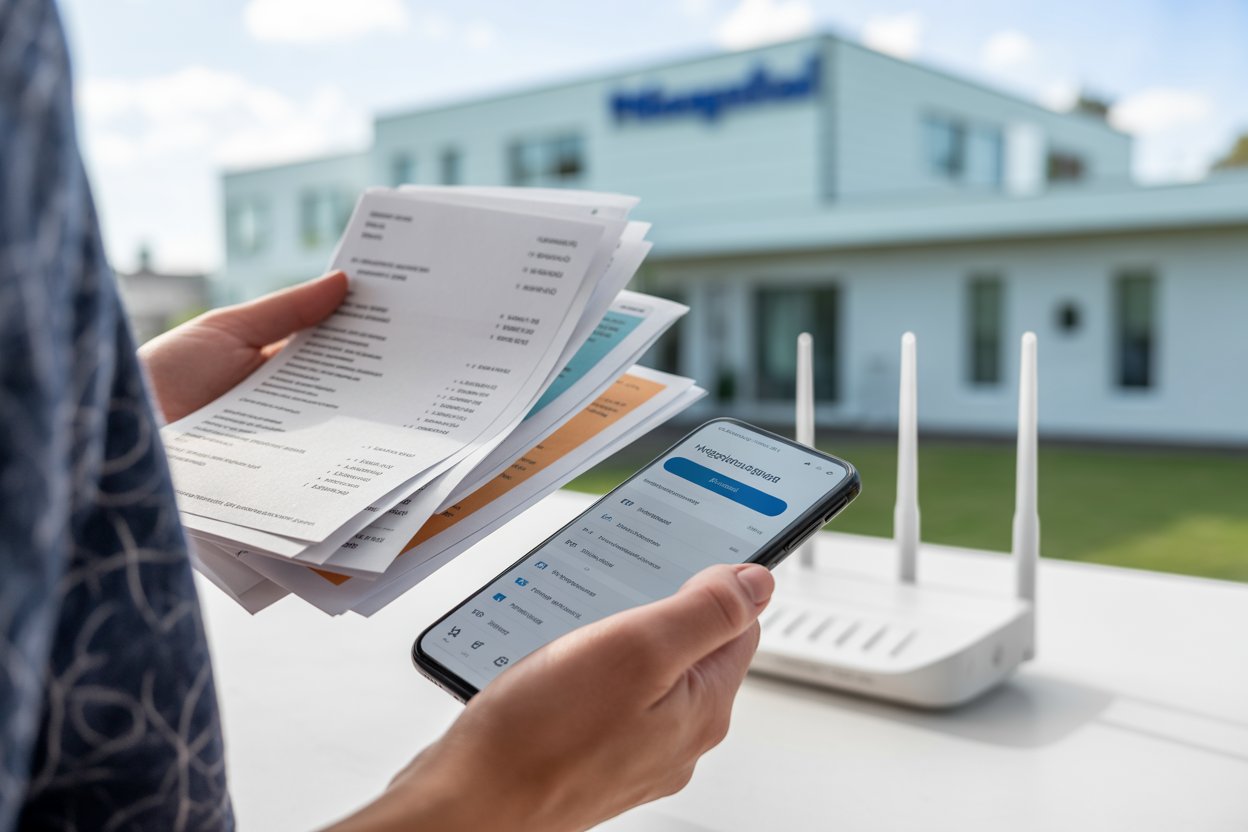
Bill negotiation services help consumers reduce recurring and medical bills by negotiating with providers on their behalf. These third-party companies or apps contact companies, request lower rates or credits, and return the negotiated results to you. Read on to learn how they work, typical fees, when they make sense, and how to choose the best option.
Key Takeaways
-
Bill negotiation services contact providers to request lower rates, credits, or error corrections.
-
Most services charge a percentage of the savings; some medical negotiators use flat or success fees.
-
You can often negotiate certain bills yourself (cable, internet, phone), but medical bills may benefit most from specialist negotiators.
-
Free bill negotiation services exist but usually offer limited scope or subscription features.
-
Look for clear fee terms, strong reviews, and HIPAA compliance for medical negotiations.
-
If you value time over money, a paid service can be worth the cut they take; if you’re comfortable calling, DIY keeps 100% of savings.
-
Verify results in writing before paying fees and watch for short-term promotional reductions vs. permanent rate cuts.
What is Bill negotiation services?
Bill negotiation services are companies or apps that act as intermediaries between you and your providers to lower charges. They work on utilities, cable, internet, phone plans, and medical bills. You either upload bills, grant limited account access, or provide copies. The service then contacts the provider to ask for better rates, plan downgrades, credits for errors, or medical reductions. If savings are found, many services take a pre-agreed cut. This saves you time and leverages professional experience with retention departments.
How they collect your bills
-
Upload PDF or photos of invoices.
-
Connect accounts securely (read-only).
-
Manually type charges if needed.
Why do Bill negotiation services matter?
Consumers face many unexpected or recurring charges: subscription creep, out-of-network medical bills, and rising cable or internet fees. Medical debt is widespread: about 41% of U.S. adults reported having medical or dental debt in recent surveys, showing how common these bills are. Negotiation services can catch billing errors, remove duplicate charges, or obtain financial assistance that a busy patient might miss. For recurring services, negotiators often know which promotions or loyalty credits providers will apply.
Real-world impact
-
Medical and billing errors are common; negotiation specialists often recover substantial sums.
-
For recurring services, a small monthly reduction compounds into meaningful yearly savings.
How do Bill negotiation services work?
Most services follow the same basic flow: submit, negotiate, review, and payout.
Step-by-step guide
-
Submit your bill (upload or link accounts).
-
The company reviews charges and identifies negotiation opportunities.
-
An agent or automated system contacts the provider’s retention or billing team.
-
The service secures a reduction, credit, or payment plan.
-
You approve results; the service collects its fee from your share (if applicable) and returns the remainder.
Fee models explained
-
Percentage of savings: Common for consumer bill negotiators (often 30–50% of the first year’s savings).
-
Flat fee per negotiation: More typical with some medical or legal negotiators.
-
Subscription + tools: Some apps (subscription model) include negotiation features as part of premium tiers.
-
Free tier: A few services offer limited, free audits but charge for full negotiations.
Can you see examples and scenarios?
Here are typical scenarios where bill negotiation services deliver value.
| Bill type | Typical outcome | Who benefits most |
|---|---|---|
| Cable & internet | Credits, lower promo rate | People with long-term plans or frequent price hikes |
| Mobile phone | Lower plan or credit | Families with several lines |
| Medical bills | Reduced total, error corrections | Uninsured or high-deductible plan patients |
| Gym memberships | Cancellation fee waivers, refunds | Infrequent users or expired contracts |
Example: A family submits a $200 cable bill. The negotiator secures a $60 annual savings by switching to a current promotion and removing a redundant fee. If the negotiator charges 40% of savings, the family keeps $36.
What mistakes should you avoid when using Bill negotiation services?
-
Not reading the fee agreement. Hidden percentages or long-term shares reduce net savings.
-
Assuming all savings are permanent. Some provider promotions expire and rates may jump later.
-
Giving full account access unnecessarily. Prefer read-only or document upload when possible.
-
Using non-specialists for medical bills. Hospital bill negotiation often requires detailed appeals and insurance knowledge.
-
Paying before results. Reputable services only charge when they save you money.
When are Bill negotiation services worth it?
Are bill negotiation services worth it? They are worth considering when:
-
You don’t have time or patience to call retention departments.
-
The expected savings are large enough to justify the fee (e.g., big medical bills or multiple expensive subscriptions).
-
You face complex medical billing where specialist negotiators or patient advocacy can produce bigger reductions.
If you’re comfortable negotiating, many simple savings (like switching to a current promo for cable) are achievable yourself and you keep 100% of the benefit.
What are the long-term benefits or impact of using Bill negotiation services?
Using a negotiation service can lead to long-term gains beyond immediate savings:
-
Fewer billing surprises and better account housekeeping.
-
Improved financial stability if medical debt is reduced or placed on affordable plans.
-
Time savings that can be reinvested into higher-value activities.
-
For recurring services, small monthly reductions compound into large annual savings.
Consider the tradeoffs
If you use a paid service, track whether negotiated savings are renewed after promotional periods end. Periodic DIY checks (or re-running the negotiator annually) are a good habit.
Expert insight or statistic
Medical debt is common: in 2022 roughly 41% of adults reported having medical or dental debt, underscoring the potential impact of medical bill negotiation services for many households. KFF’s analysis shows medical debt is a principal source of financial strain for millions.
Conclusion + Next Steps
Bill negotiation services can save you time and money, especially for complicated medical bills or when you’d rather outsource the hassle. To decide: estimate potential savings, read fee terms, and pick a provider with clear pricing and strong reviews. If you’re ready to try one, start by collecting recent bills, checking HIPAA safeguards for medical negotiators, and comparing fees — or try a free audit first.
Quick action checklist
-
Gather 2–3 recent bills (medical and recurring services).
-
Compare 2–3 negotiators’ fees and reputation.
-
Confirm data privacy and billing-access limits.
-
Approve negotiations in writing and verify final bills.
FAQs:
How much do bill negotiation services usually cost?
Most consumer negotiators charge a percentage of the first year’s savings (often 30–50%); some medical negotiators use flat or bundled fees.
Are there free bill negotiation services?
Some apps offer limited free audits or subscription trials that include negotiation features, but fully free, active negotiation is uncommon.
Can I negotiate medical bills myself?
Yes — you can request itemized bills, spot errors, ask for financial assistance, or set up payment plans, but specialist negotiators may secure larger reductions for complex cases.
Will negotiation hurt my credit score?
Legitimate negotiations that reduce bills or set payment plans generally don’t hurt your credit if handled before accounts go to collections; avoid paying debts incorrectly without written agreements.
How long does it take to see results?
Times vary: simple provider discounts can appear within days; medical bill appeals or insurance negotiations may take weeks to months.