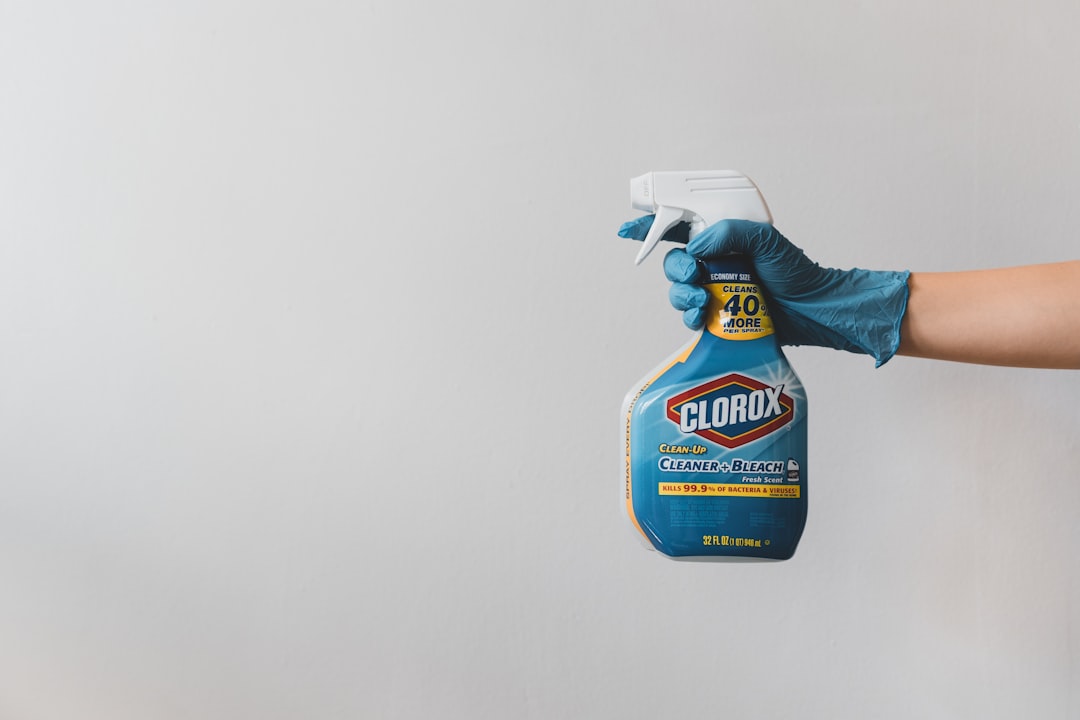
Contents cleaning and salvage is a crucial process that involves assessing, cleaning, and restoring items that have been damaged due to various circumstances, such as water, fire, or mold. This process not only helps in recovering valuable possessions but also plays a significant role in restoring a sense of normalcy after a disaster. Understanding the nuances of contents cleaning and salvage can empower individuals to make informed decisions about their belongings, ensuring that they can effectively navigate the emotional and logistical challenges that arise during such trying times.
The contents cleaning process typically begins with a thorough assessment of the items affected by damage. This assessment helps determine which items can be salvaged and which should be discarded. It is essential to approach this task with a clear mind, as emotions can often cloud judgment.
By understanding the principles of contents cleaning and salvage, individuals can better appreciate the value of their possessions and make choices that align with their emotional and financial needs.
Key Takeaways
- Understanding Contents Cleaning and Salvage:
- Contents cleaning and salvage involves the process of cleaning and restoring items after a disaster or damage.
- Factors to Consider When Deciding What to Keep or Toss:
- Factors to consider include the extent of damage, sentimental value, and cost of restoration.
- Salvageable Items: What Can Be Restored:
- Items such as furniture, clothing, and electronics can often be restored through professional cleaning and restoration techniques.
- Items That Should Be Tossed: What Can’t Be Salvaged:
- Items that are heavily damaged, contaminated, or pose a health risk should be discarded.
- The Importance of Professional Contents Cleaning Services:
- Professional services have the expertise, equipment, and resources to effectively clean and restore a wide range of items.
- Tips for DIY Contents Cleaning and Salvage:
- DIY cleaning and salvage can be done for less severe damage, but it’s important to research proper techniques and safety precautions.
- Documenting and Inventorying Items for Insurance Purposes:
- Keeping a detailed inventory and documentation of damaged items is crucial for insurance claims and reimbursement.
- Final Steps: Storing and Organizing Salvaged Items:
- Proper storage and organization of salvaged items is important to prevent further damage and make them easily accessible when needed.
Factors to Consider When Deciding What to Keep or Toss
When faced with the daunting task of deciding what to keep or toss after an incident, several factors come into play. First and foremost, consider the sentimental value of each item. Family heirlooms, photographs, and personal mementos often hold irreplaceable emotional significance.
Even if these items are damaged, their worth may extend beyond their physical condition. Assessing the emotional attachment to each item can help guide your decision-making process. Another critical factor is the item’s monetary value and practicality.
Some items may be expensive or difficult to replace, making them worth salvaging even if they require extensive cleaning or repair. Conversely, items that are easily replaceable or have little financial value may not warrant the effort and resources needed for restoration. Additionally, consider the cost of restoration versus replacement; sometimes, it may be more economical to purchase a new item rather than invest in cleaning and repairs.
Salvageable Items: What Can Be Restored
Identifying salvageable items is a key component of the contents cleaning process. Many items can be restored with the right techniques and resources. For instance, furniture made from solid wood often responds well to professional cleaning and refinishing.
Upholstered furniture may also be salvageable if the fabric can be cleaned and the structure remains intact. Electronics, too, can sometimes be repaired if they have not been exposed to excessive moisture or heat. Textiles such as clothing, linens, and curtains can often be cleaned and restored as well.
While some fabrics may require specialized cleaning methods, many can be washed or dry-cleaned successfully. Additionally, artwork and photographs may be salvaged through careful restoration techniques, although this often requires professional assistance. Understanding what can be restored not only helps in making informed decisions but also allows individuals to reclaim cherished possessions that might otherwise be lost.
Items That Should Be Tossed: What Can’t Be Salvaged
While many items can be salvaged, there are certain belongings that should be discarded for safety and health reasons. Items that have been severely damaged by water or fire often pose significant risks, such as mold growth or structural instability. For example, porous materials like mattresses, carpets, and upholstered furniture that have absorbed water may harbor mold spores that can lead to health issues if not properly treated.
Additionally, food items that have been exposed to contamination or extreme temperatures should always be thrown away. This includes canned goods that have been compromised or perishable items that have been left unrefrigerated for too long. It’s essential to prioritize safety when determining what cannot be salvaged; sometimes letting go of certain items is necessary for overall well-being.
The Importance of Professional Contents Cleaning Services
Engaging professional contents cleaning services can significantly ease the burden of recovery after a disaster. These experts possess the knowledge, tools, and experience necessary to assess damage accurately and implement effective cleaning strategies. They are trained to handle various types of damage—be it from water, fire, or mold—and can often restore items that individuals might assume are beyond saving.
Moreover, professional services can save time and reduce stress during an already challenging period. They can provide a comprehensive inventory of damaged items, assist with insurance claims, and ensure that all salvageable items are treated appropriately. By enlisting the help of professionals, individuals can focus on other aspects of recovery while knowing their belongings are in capable hands.
Tips for DIY Contents Cleaning and Salvage
For those who prefer a hands-on approach to contents cleaning and salvage, there are several tips to keep in mind. First, always prioritize safety by wearing protective gear such as gloves and masks when handling damaged items. This is especially important when dealing with mold or hazardous materials.
Additionally, work in a well-ventilated area to minimize exposure to fumes from cleaning products. Start by categorizing items based on their material type—wood, fabric, metal, etc.—and research appropriate cleaning methods for each category. For instance, wood furniture may require specific cleaners that won’t damage the finish, while textiles may need special detergents for effective stain removal.
It’s also wise to test any cleaning solution on a small area first to ensure it doesn’t cause further damage. Finally, take your time; rushing through the process can lead to mistakes that could compromise the integrity of your belongings.
Documenting and Inventorying Items for Insurance Purposes
Documenting and inventorying items is an essential step in the contents cleaning process, particularly for insurance claims. A detailed inventory not only helps in assessing damages but also serves as crucial evidence when filing claims with insurance companies. Begin by taking photographs of each item before any cleaning or restoration efforts commence; this visual documentation will provide a clear record of the condition prior to any work being done.
When creating an inventory list, include details such as the item’s description, brand, age, estimated value, and any relevant serial numbers. This information will facilitate smoother communication with your insurance provider and help ensure you receive fair compensation for your losses. Additionally, keep copies of receipts for any repairs or replacements made during the recovery process; these documents will further support your claim.
Final Steps: Storing and Organizing Salvaged Items
Once you have successfully cleaned and salvaged your belongings, it’s time to focus on storage and organization. Properly storing items is crucial for preventing future damage and ensuring they remain in good condition. Begin by selecting appropriate storage containers that are durable and moisture-resistant; plastic bins with tight-fitting lids are often ideal for this purpose.
Organize your salvaged items in a way that makes sense for your space and lifestyle. Group similar items together—such as books with books or seasonal decorations with other holiday items—to make retrieval easier later on. Label each container clearly so you can quickly identify its contents without having to open every box.
Finally, consider creating a digital inventory of your stored items; this will help you keep track of what you have and where it’s located, making future organization much simpler. In conclusion, navigating the complexities of contents cleaning and salvage requires careful consideration and informed decision-making. By understanding what can be restored versus what should be discarded, enlisting professional help when necessary, and maintaining thorough documentation for insurance purposes, individuals can effectively manage their recovery process.
Whether opting for DIY methods or relying on experts, taking proactive steps will ultimately lead to a more successful outcome in reclaiming cherished possessions after a disaster.
FAQs:
What is contents cleaning and salvage?
Contents cleaning and salvage is the process of assessing, cleaning, and restoring items damaged by fire, water, or mold to determine what can be saved.
Which items are usually salvageable after water or fire damage?
Solid wood furniture, textiles, electronics, and even some artwork can often be restored with professional techniques.
What items should always be discarded after damage?
Porous items like mattresses, mold-contaminated belongings, and spoiled food should be discarded for safety reasons.
Is DIY contents cleaning safe?
DIY can be safe for minor damage if proper precautions are taken, but protective gear and correct cleaning methods are essential.
Do professional cleaning services help with insurance claims?
Yes. Professionals often document damaged items, provide inventories, and assist with insurance claims to maximize coverage.