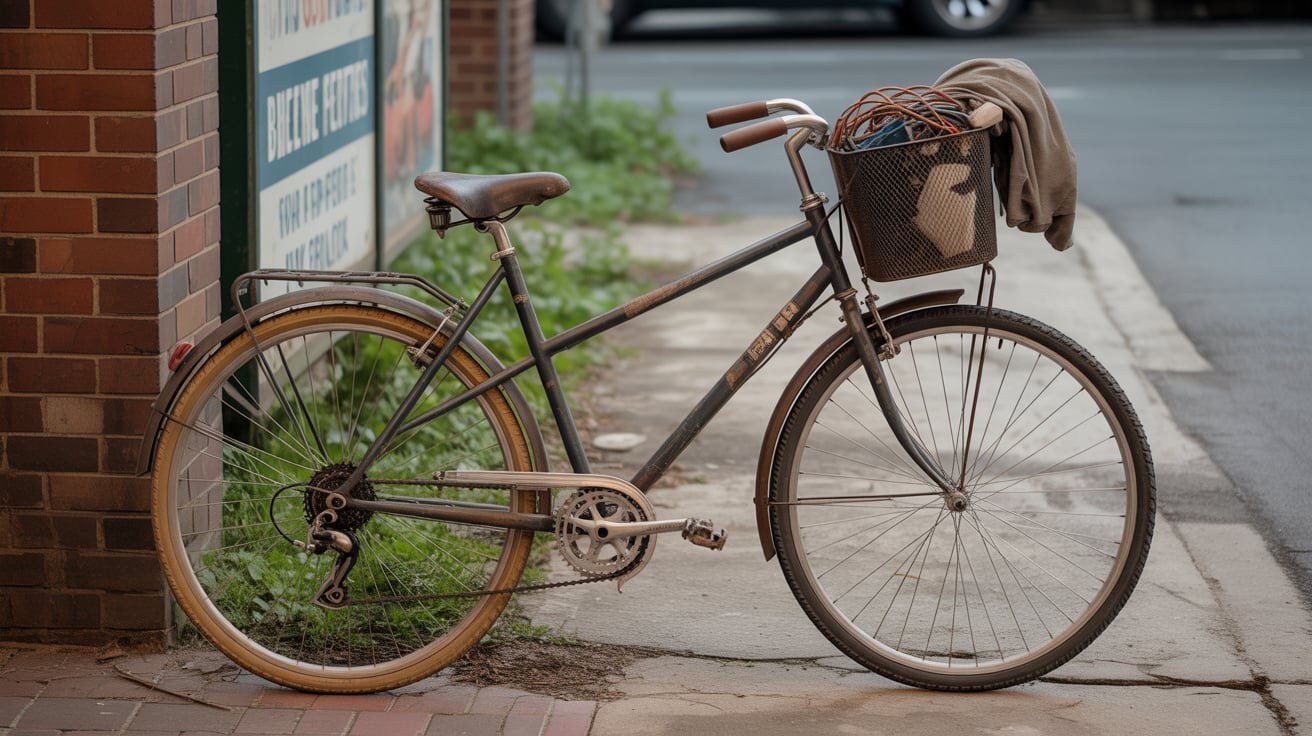
The hidden costs of bicycle ownership go far beyond the initial purchase price. Many riders assume that buying the bike is the only major expense, but extra costs appear over time. These include small but frequent needs like fixing flat tyres, replacing chains, or repairing a bent wheel. Even routine care can add up, while unexpected repairs can strain a yearly cycling budget.
The financial side of bike ownership extends well beyond just the initial cost at the bike shop. Tyres wear down, chains need replacing, and brake pads deteriorate, all requiring ongoing spending to keep your ride safe and working well. For those with higher-end models or e-bikes, these costs can climb when specialized parts or professional service is needed.
Perhaps most overlooked is the financial risk of theft or damage. With bike theft rates reportedly increasing in many urban areas and the average value of bicycles going up, the potential for a substantial financial loss is a concern for many cyclists. This risk may grow as more people buy premium bikes and e-bikes worth thousands of dollars.
The True Financial Impact of Bike Theft and Damage
Bike theft is a significant concern in many areas, with reported cases sometimes exceeding public expectations. The financial impact of theft or damage can vary widely depending on the type of bicycle and its replacement value at the time of loss.
Besides the cost of replacing the bike itself, damage from attempted theft, vandalism, or weather can lead to repairs that may cost hundreds of dollars. Some riders check local news and police reports to get information about risks in their area. In major cities, police departments report thousands of bicycle thefts yearly.
Many cyclists assume their homeowners or renters insurance will fully cover bike theft or damage. Yet these policies often have major restrictions that surprise owners. Typical plans group bikes under personal property with tight limits. High deductibles of $500–$1,000 make claims for smaller losses impractical when repairs don’t meet the threshold for reimbursement.
Coverage gaps in standard insurance can be addressed by affordable Velosurance policies, which are designed specifically for cyclists. These policies typically cost between $100–$300 annually for a $3,000 bike, depending on coverage options selected.
Most standard insurance policies apply depreciation when calculating payouts. This means the amount received usually reflects the bike’s depreciated value, not its current retail replacement cost. As a result, cyclists often receive a payout that falls short of what they need for an equivalent replacement, especially as bike values decline each year after purchase.
Depreciation Penalties on Standard Insurance
How Depreciation Reduces Your Payout
Standard homeowners and renters insurance policies use depreciation formulas that lower payouts for bicycle claims. Insurers determine a bike’s depreciated value using factors such as age, condition, original price, and current market rates. Without replacement cost coverage, the payout reflects a lower figure rather than the actual cost to buy a similar new bike.
The calculation method varies depending on the insurer, but most use a combination of age, condition, and original purchase price. Bicycles often lose value each year. For example, a three-year-old carbon fiber road bike originally purchased for $2,500 might be valued at less than its original price after depreciation, despite a comparable new model now costing $3,000.
This creates a substantial financial gap between what insurance pays and what cyclists need to replace their bikes. For a five-year-old mountain bike originally costing $4,000, the depreciated value might be much lower, while a comparable new model could cost $5,000 or more. This difference comes directly from the cyclist’s pocket.
Maintenance Expenses That Add Up Over Time
Regular maintenance keeps bicycles safe and functional, but these costs often surprise owners. The annual operating cost of a bicycle can add up, covering routine care, repairs, and replacement parts. E-bikes can be more expensive, with yearly maintenance costs sometimes higher due to their advanced components and battery systems.
Common repairs occur with predictable frequency. Tyres, chains, and disc brake pads all require periodic replacement. These seemingly small expenses add up quickly for active riders who cycle regularly.
Seasonal maintenance adds another layer of cost. Spring tune-ups and winterizing services can represent additional expenses. Riders in harsh climates face extra costs for rust prevention and drivetrain protection throughout the year.
As bikes age, maintenance costs can increase. Older bikes often require more frequent component replacements and may develop frame issues that are expensive to fix.
While DIY maintenance can save money, the tools required represent an upfront investment. A basic tool kit can cost a significant amount, while specialized tools for complex repairs can add more to your budget.
When Professional Service Becomes Necessary
Despite the appeal of DIY maintenance, certain bicycle repairs require professional attention. Complex systems like hydraulic brakes, electronic shifting, and suspension components demand specialized tools and skill. Attempting these repairs without proper knowledge can lead to costly damage or safety risks.
Safety-critical components should never be compromised with amateur repairs. Headsets, bottom brackets, and fork assemblies directly affect steering and stability. Improper installation of these parts can lead to failures while riding. Carbon fiber repairs also need professional skill.
Professional tune-ups, while costing more, often prevent more costly problems. Mechanics can spot worn components before they damage other parts. A worn chain that costs less to replace can damage a cassette and chainrings if not addressed quickly.
Accessory Replacement and Upgrade Cycles
Bicycle accessories have their own replacement timelines and costs that many cyclists forget to consider. Essential safety items like helmets should be replaced regularly or after any impact. Lights typically last a few years before battery life declines. Locks need replacement as mechanisms wear.
Compatibility issues mean extra costs when upgrading components. Upgrading to a newer drivetrain often means several parts must be changed at once. Fitting a new rear derailleur may require a new shifter, cassette, and chain, so a single part can quickly become a larger project.
Technology changes speed up how quickly accessories become outdated, which catches many cyclists off guard. Bike computers can become obsolete as mapping capabilities and battery life improve. Electronic shifting systems receive updates that eventually stop supporting older components, forcing upgrades.
Standard insurance policies typically offer limited coverage for accessories. Most homeowners or renters policies cap bicycle-related accessories at a certain amount, which may be below what many enthusiasts spend. These policies often exclude items used frequently outside the home, creating coverage gaps for daily-use accessories.
Smart Financial Protection for Cyclists
When comparing insurance options, cyclists should look at the real cost-benefit ratio of different coverage types. Specialized bicycle insurance typically costs more annually for a $3,000 bike, while adding a rider to a homeowners policy might cost less for the same bike. However, the standalone policy usually offers broader coverage.
Specialized bicycle insurance provides features that standard policies often don’t include. These often cover replacement costs without depreciation, worldwide protection, coverage for racing events, roadside assistance, and protection for custom components and accessories.
Calculating your bike’s actual replacement value requires factoring in all customizations and current market prices. A bike purchased for $2,500 three years ago with $800 in upgrades might cost much more to replace today due to inflation and component shortages.
Several resources exist for comparing specialized bicycle insurance options. Cycling organizations often provide member discounts on insurance, while online comparison tools can help identify broad coverage at competitive rates for your specific needs.
Maximizing Coverage While Minimizing Costs
Insurers reward certain decisions with lower premiums, allowing cyclists to keep coverage affordable. Belonging to a cycling club or association can qualify riders for discounts on annual premiums, sometimes making membership worthwhile for this reason alone. Using preventive measures like GPS trackers and approved locks shows lower risk to insurers.
Setting appropriate coverage levels should match specific riding habits. Commuters who leave bikes unattended often need broad theft coverage. Off-road riders benefit from crash protection. Travelers require transit coverage for bikes in vehicles or on planes. Racing cyclists need dedicated event coverage that standard policies exclude.
Accurate documentation prepares cyclists for a smoother claims process. Keeping receipts, serial numbers, and recent photos of each bike and its custom components helps establish proof of ownership and current condition. Regularly updating these records after upgrades or repairs eliminates confusion when filing a claim.
FAQs:
What are the hidden costs of bicycle ownership?
Beyond the purchase price, hidden costs include maintenance, accessory replacements, insurance gaps, and the financial risk of theft or damage.
Does homeowners insurance fully cover bike theft?
No. Most policies have strict limits, high deductibles, and depreciation penalties that reduce payouts far below the cost of replacement.
How much does bicycle insurance cost?
Specialized bicycle insurance typically ranges from $100–$300 annually for a $3,000 bike, depending on coverage options.
What maintenance costs should cyclists expect annually?
Routine maintenance often includes new tyres, chains, and brake pads, plus seasonal tune-ups. Costs increase for e-bikes and older bicycles.
How can cyclists minimize insurance premiums?
Cyclists can reduce premiums by joining cycling clubs, using high-quality locks, installing GPS trackers, and selecting coverage tailored to their riding style.