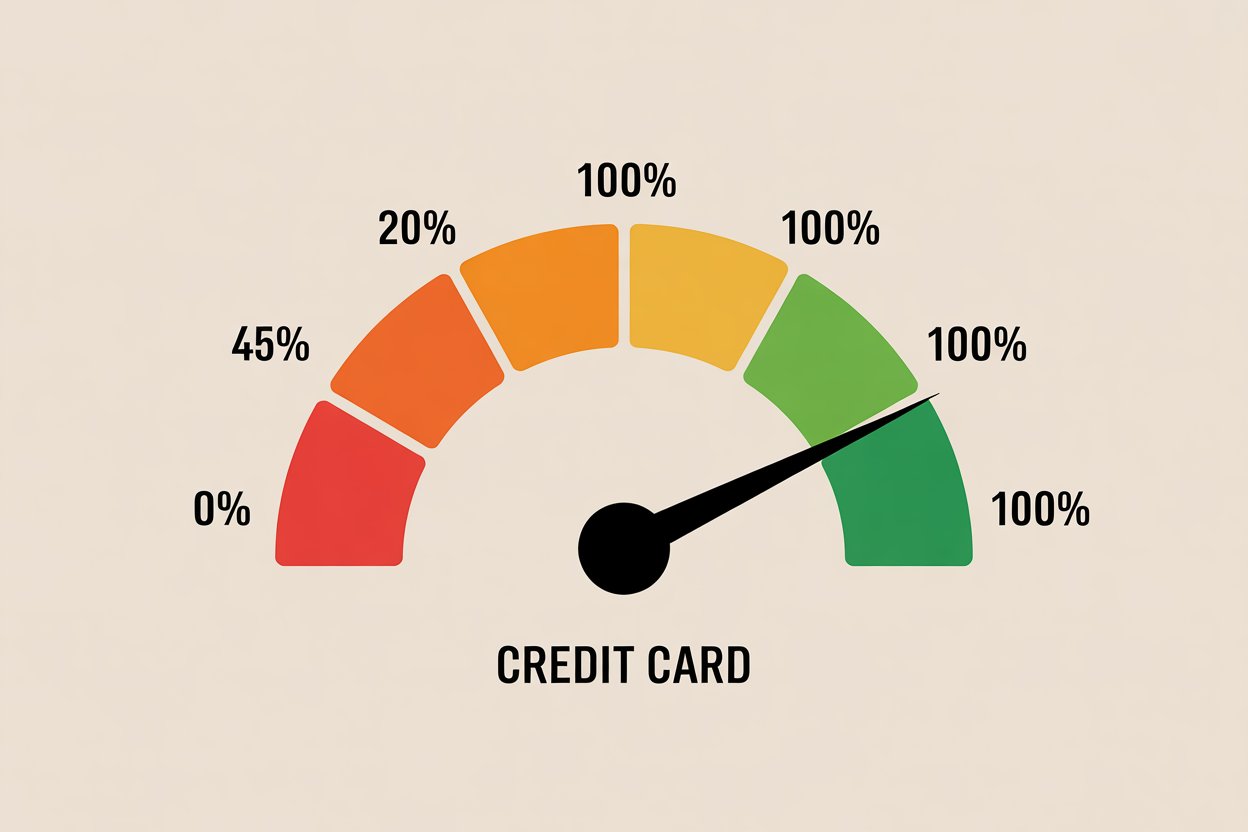
Your credit utilization ratio is one of the most important factors in your credit score—and one of the easiest to control. This ratio shows how much of your available credit you’re currently using. Understanding and managing it can help you improve your credit score, qualify for better loan rates, and maintain financial stability.
In this guide, you’ll learn what the credit utilization ratio is, why it matters, how to calculate it, and practical strategies to keep it in the ideal range.
Key Takeaways
-
Your credit utilization ratio measures how much credit you use compared to your total available limit.
-
Experts recommend keeping utilization below 30% for optimal credit health.
-
Lower ratios (under 10%) can signal responsible credit behavior to lenders.
-
Paying off balances before your statement closes can reduce reported utilization.
-
Utilization applies per card and overall, so both matter.
-
You can lower your ratio by increasing credit limits or paying balances early.
-
A lower utilization ratio can significantly improve your credit score over time.
What Is the Credit Utilization Ratio?
Your credit utilization ratio represents the percentage of your total revolving credit you’re currently using. It’s calculated by dividing your total credit card balances by your total credit limits, then multiplying by 100.
Formula:
Credit Utilization Ratio=(Total BalancesTotal Credit Limits)×100\text{Credit Utilization Ratio} = \left(\frac{\text{Total Balances}}{\text{Total Credit Limits}}\right) \times 100Credit Utilization Ratio=(Total Credit LimitsTotal Balances)×100
Example:
If you have a $1,000 balance on a $5,000 credit limit, your credit utilization ratio is 20%.
According to FICO, credit utilization makes up 30% of your overall credit score—making it the second most important factor after payment history.
Why Does the Credit Utilization Ratio Matter?
Lenders use this ratio to gauge how responsibly you manage credit. A high utilization ratio (above 30–40%) can suggest financial stress or overreliance on credit, while a low ratio indicates discipline and stability.
Effects on Credit Score
-
Low ratio (under 10%): Ideal for maximizing your score.
-
Moderate ratio (10–30%): Generally safe and healthy.
-
High ratio (over 30%): May lower your score or raise lender concerns.
Why Lenders Care
When your ratio is high, lenders assume you’re more likely to miss payments. Keeping it low demonstrates strong money management and reduces risk in their eyes.
How to Calculate and Improve Your Credit Utilization Ratio
Step 1: Add Up Balances and Limits
Use a credit utilization ratio calculator or do it manually:
-
Add your total credit card balances.
-
Add your total credit card limits.
-
Divide balances by limits and multiply by 100.
Step 2: Review Each Card Separately
Lenders often check utilization per card—not just overall. If one card is maxed out while others are unused, it can still hurt your score.
Step 3: Reduce Utilization Strategically
Here’s how to lower your ratio fast:
-
Pay down balances early — before the statement closing date.
-
Request a credit limit increase (but avoid new hard inquiries if possible).
-
Distribute purchases across multiple cards.
-
Avoid closing old cards — they reduce total available credit.
-
Set up payment alerts to track usage in real time.
Credit Utilization Ratio Examples and Chart
| Scenario | Balance | Credit Limit | Utilization Ratio | Score Impact |
|---|---|---|---|---|
| Excellent Credit Behavior | $500 | $10,000 | 5% | Strong positive signal |
| Healthy Range | $1,500 | $5,000 | 30% | Acceptable, slightly risky |
| High Utilization Warning | $3,000 | $5,000 | 60% | Likely score reduction |
| Critical/Maxed Out | $4,900 | $5,000 | 98% | Severe negative impact |
Common Mistakes to Avoid
1. Assuming Payment in Full Negates Utilization
Even if you pay in full each month, your credit report reflects balances at the time of your statement closing date, not your payment date. That means your utilization might still appear high.
2. Closing Old Credit Cards
Canceling a card reduces your total available credit, automatically raising your ratio—especially if other cards carry balances.
3. Ignoring Individual Card Utilization
A single maxed-out card can hurt your score, even if your total utilization is low.
Long-Term Benefits of a Healthy Credit Utilization Ratio
Keeping your ratio low doesn’t just boost your score—it strengthens your overall financial profile.
Benefits Include:
-
Lower interest rates on future loans and credit cards.
-
Higher credit limits as lenders see responsible use.
-
Better mortgage and insurance terms.
-
Financial flexibility and peace of mind.
Over time, consistently maintaining a utilization ratio below 10% signals reliability and can help you achieve elite credit status (typically 750+ scores).
Expert Insight
According to Experian, people with FICO scores above 800 have an average credit utilization ratio of just 6% — showing that keeping balances low is key to top-tier credit performance.
Conclusion
Your credit utilization ratio is more than just a percentage—it’s a reflection of your financial discipline. By keeping your balances low, paying early, and managing credit limits wisely, you can significantly strengthen your credit profile.
Whether you’re aiming to buy a home, refinance, or simply improve your financial health, mastering this single metric can open the door to better credit opportunities and long-term stability.
FAQs
What is a good credit utilization ratio?
A good credit utilization ratio is below 30%, but the best scores often come from keeping it under 10%.
Does credit utilization matter if I pay my balance in full?
Yes. Lenders report your balance at the statement closing date, so your ratio can appear high even if you later pay in full.
How much will lowering credit utilization affect my score?
It depends on your profile, but lowering utilization from 70% to 10% can improve your score by up to 100 points over time.
Should I pay off one card or multiple cards first?
Focus on high-utilization cards first. Reducing balances on cards above 50% has the biggest impact.
How often is credit utilization updated?
Your utilization ratio updates each time your creditor reports to the bureaus—typically once a month after your statement closes.