A planned vacation can become a costly problem if a rental does not exist or someone posing as a host asks you to send money somewhere else. News of a European regulatory investigation offers a timely reminder to check both the property and, especially, the payment request. It is consumer guidance, not a finding against the company involved.
Quick Answer
If you book through a rental platform, keep the conversation and payment within that platform’s official process. A request to pay separately by bank transfer, payment app, wire, or cryptocurrency is a strong warning sign. Before paying, check that the property appears to exist, review guest feedback for patterns, and confirm anything that feels unusual with the platform through its official customer service.
Knowledge Snapshot
- On October 21, 2026, the European Commission opened formal proceedings against Booking.com under the Digital Services Act.
- The proceedings concern risks including non-existent properties, phishing that exploits guest and reservation data, and questions about how some paid placements are labeled.
- Booking.com is cooperating as the investigation proceeds.
- Opening proceedings does not establish that any rule was broken. The outcome has not been decided.
Distinctive Value: The Payment Channel Tells You the Truth
Photos can be copied, and a polished listing can look convincing. The payment route is a more useful test: if you found a rental through a platform, an unexpected request to leave its payment process can strip away protections associated with booking there and make it harder to resolve a dispute.
That does not mean every booking outside a platform is illegitimate. Booking directly with a property you can independently verify is a valid option, but it has different consumer protections and may leave you with fewer ways to resolve a payment problem. The key is knowing which kind of booking you are making and using the agreed payment channel.
What the Commission Is Investigating
The Commission has opened proceedings to examine whether Booking.com sufficiently identified, assessed, and mitigated systemic risks relating to fraudulent listings, including properties that do not exist, and phishing scams that exploit guest and reservation data.
The inquiry also covers advertising transparency. Specifically, regulators are examining whether listings boosted through higher commission payments are clearly labeled as advertisements. The Commission says the proceedings do not prejudge the outcome. No violation has been established. The investigation is ongoing, and Booking.com is cooperating.
How to Check a Vacation Rental Before You Pay
1. Use the payment channel test
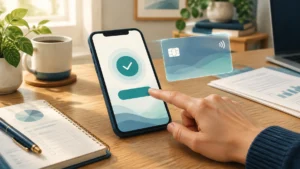
For a booking made through a platform, follow its official payment process and stated payment policy. Be especially cautious if someone asks you to pay through a bank transfer, payment app, wire, or cryptocurrency outside that process. Those payment methods can be difficult to reverse, and paying off-platform may make it harder to get help with a booking dispute.
If the host says a separate payment is necessary to hold your dates, pause. Do not use a new link or payment detail sent in a message until you have checked with the platform directly.
2. Check whether the property exists
Look up the address on a mapping service and see whether it matches the kind of property described. Search for the property on more than one independent source, and check whether the same photos appear elsewhere online.
A listing with only professional-looking photographs and no guest history deserves extra scrutiny. Neither polished images nor a small number of reviews proves that a rental is fake. Consider them alongside the address, payment request, and communication style.
3. Read reviews for patterns, not just scores
Look for reviews that mention last-minute cancellations, pressure to pay outside the platform, or being moved to a different property. Be wary if many reviews appeared within a short period or repeat similar language.
One concerning review is not proof of a problem. A pattern of similar complaints is a reason to stop and verify before sending money.
4. Keep messages in the original channel
Messages exchanged through the booking platform are more traceable than conversations moved to personal email, text, or a messaging app. A request to continue elsewhere is a warning sign, particularly if it comes with new payment instructions or pressure to act quickly.
Do not rely on a message merely because it appears to come from a host or seems connected to your reservation. If it asks you to pay again or share sensitive information, contact the platform through its own app or website instead.
5. Be cautious about urgency and steep discounts
A sudden price drop, a claim that the dates are nearly gone, or a demand for immediate payment can pressure you to skip basic checks. Take a moment to compare the price with similar rentals and confirm the details.
If a property’s price or story seems unusually attractive, treat that as a reason to verify, not a reason to hurry.
6. Confirm before paying
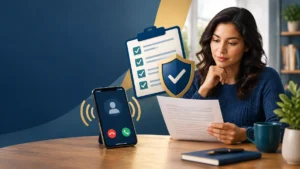
If the property has a published phone number, call it using contact details you found independently. You can also contact the booking platform’s customer service through its official app or website to ask whether a request is consistent with your reservation. Do not use contact information supplied only in a suspicious message.
For more general warning signs and recovery steps, see our Avoid This Scam financial fraud guide.
If a Listing Turns Out to Be Fake
Contact the platform immediately, report the listing, and ask what steps it can take. If you paid by card, contact your card issuer promptly to ask about disputing the charge. Dispute time limits can apply, so do not wait while trying to resolve the issue only with the host.
Save the listing, messages, payment records, receipts, and any cancellation notices. Keep a written record of when you contacted the platform and your card issuer. If you shared account credentials or other sensitive information, secure the affected accounts and contact the relevant financial institution.
A 5-Step Recovery Roadmap
- Stop sending money. Do not pay a new fee or use replacement payment details sent in a message.
- Contact the platform. Report the listing and ask for help with the reservation.
- Call your card issuer. Ask whether a dispute or other protective action is available, and act quickly.
- Preserve evidence. Keep screenshots, messages, listing details, receipts, and dates of contact.
- Report the incident. Notify the relevant consumer protection authority and follow up with any financial institution whose information may be at risk.
How to Report a Suspicious Rental
- The platform: Use its official app or website to find its customer service and listing-reporting options. Avoid contact links provided only in a suspicious message.
- United States consumers: Report the incident to the Federal Trade Commission and consider contacting your state attorney general.
- Bookings involving an EU-based provider: The European Consumer Centre may be able to explain consumer rights and complaint options.
- Card payment disputes: Contact your card issuer directly. Ask about its dispute process and any deadlines.
Frequently Asked Questions
How can I tell if a vacation rental listing is fake?
Check that the address matches the listing, compare the property across independent sources, and look for reviews that describe similar problems. The strongest warning sign is often a request to pay outside the platform’s normal process.
Is it safe to pay a rental host outside the platform?
An unexpected request to pay separately for a platform booking is a strong red flag. Using the platform’s stated payment process can preserve options for support and dispute resolution that may be harder to access after an off-platform payment.
What should I do if a rental listing turns out to be fake?
Contact the platform, report the listing, and save your messages and receipts. If you paid by card, contact the card issuer promptly because dispute deadlines may apply.
Is Booking.com being investigated?
Yes. The European Commission opened formal proceedings concerning the platform on October 21, 2026. The inquiry includes questions about risks from non-existent properties and phishing, as well as advertising transparency.
Does the EU investigation mean the company broke the law?
No. Opening proceedings does not establish that any rule was broken or decide the outcome. The investigation is ongoing, and the company is cooperating.
Can I dispute a rental charge with my card?
You can contact your card issuer and ask whether the charge is eligible for a dispute. The issuer can explain its process and deadlines, so reach out as soon as you identify a problem.

Avoid This Scam™ is the consumer protection and scam awareness desk of AskTheMoneyCoach.com. We help readers recognize, avoid, and respond to financial scams, fraud, identity theft, deceptive business practices, and online threats.
Our coverage includes scam alerts, fraud prevention strategies, consumer advocacy, practical safety guides, and expert analysis designed to help individuals and families protect their money, personal information, and financial well-being. We also explain what to do if you’ve already been targeted, because knowing how to respond can be just as important as avoiding a scam in the first place.