
Let’s be real — seeing multiple late payments on your credit report can feel like a financial punch to the gut. You’re probably wondering how to fix your credit after multiple late payments and whether your score will ever bounce back. The fear of being stuck with high-interest loans or constant rejections is real. But here’s the good news: while late payments definitely sting, they’re not a permanent death sentence for your credit — you can recover with the right steps and a little patience.
Your payment history makes up 35% of your credit score, which means those late payments are doing some serious damage right now. But here’s what caught my attention when I started digging into credit repair strategies, the impact of late payments actually diminishes over time, and there are specific steps you can take to speed up your recovery.
Understanding the Real Damage
Before we dive into solutions, you need to understand exactly what you’re dealing with. Late payments don’t just hurt your score once, they create a cascading effect that gets worse the longer you wait.
Credit bureaus report late payments in stages: 30 days late, 60 days, 90 days, 120 days, and beyond. Each milestone hits your score harder than the last. A single 30-day late payment might drop your score by 60-110 points if you previously had excellent credit. But here’s the kicker, if you let that same payment slide to 90 days late, you’re looking at even more damage.
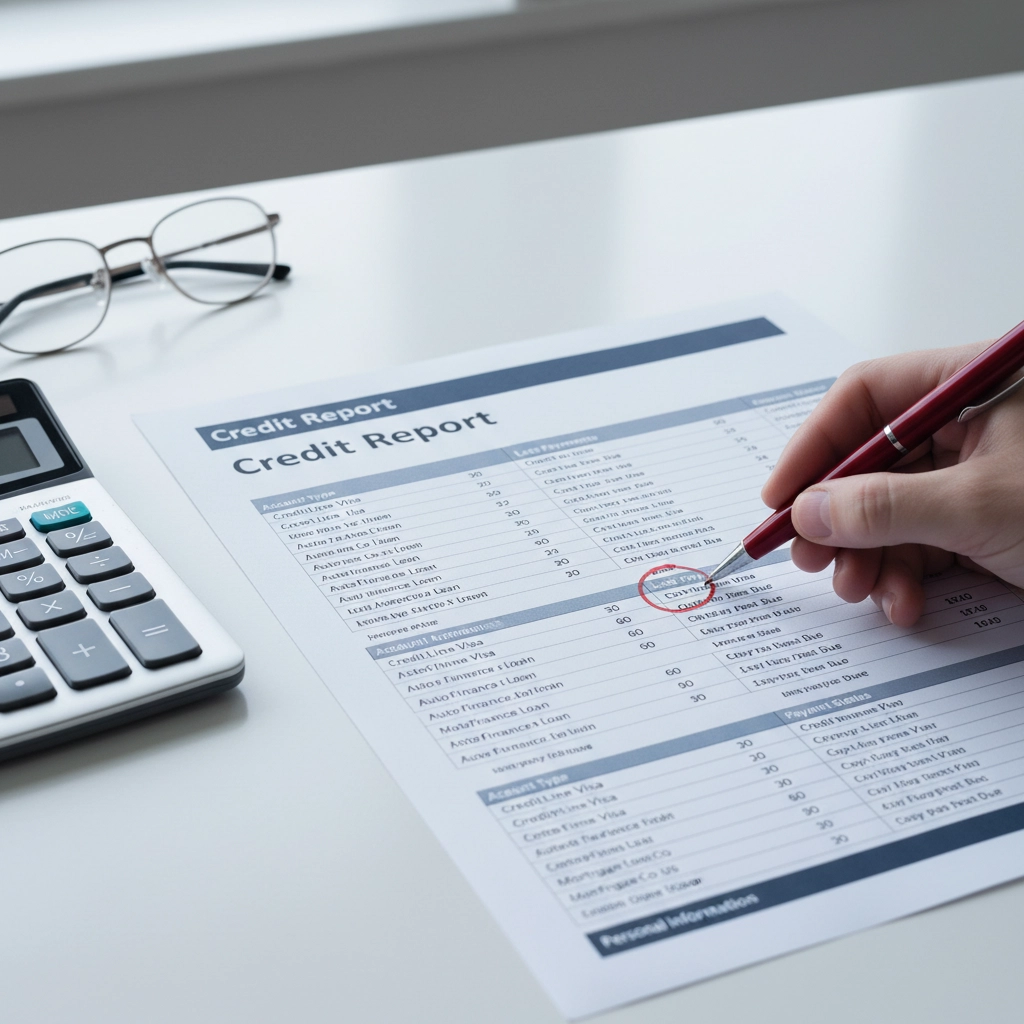
The worst part? Once you hit 180 days past due, many creditors will “charge off” your debt, marking it as a loss and potentially selling it to a collection agency. This creates one of the most damaging items possible on your credit report.
Stop the Bleeding: Immediate Damage Control
Your first priority is stopping the situation from getting worse. I know this might seem obvious, but you’d be surprised how many people get overwhelmed and just… freeze.
Pay everything that’s currently past due right now. Yes, even if it means eating ramen for a month or asking family for help. Every day you wait, the damage compounds. If you can’t pay everything at once, prioritize accounts that haven’t hit the 90-day mark yet.
Call your creditors immediately. This isn’t the time to hide from your problems. Many creditors have hardship programs or can work out payment arrangements, but only if you contact them before they charge off your account. I’ve seen creditors waive late fees, reduce minimum payments, or even temporarily pause payments for customers who reach out proactively.
Building Bulletproof Payment Habits
Once you’ve addressed the immediate crisis, your next job is proving you can be trusted again. This means making every single payment on time, every month, for the foreseeable future. No exceptions.
Set up automatic payments for at least the minimum amount on every account. I know some financial gurus say to avoid autopay, but let me be clear, if you’ve already proven you struggle with manual payments, automation is your safety net.
Pay before your statement closing date. Here’s a pro tip that most people miss: paying your credit card balance before your statement closes (not just before the due date) reduces the balance that gets reported to credit bureaus. This improves your credit utilization ratio and shows you’re actively managing your debt.
Consider making multiple payments per month if you can swing it. Even small payments every week can help keep your utilization low and demonstrate consistent payment activity.
Negotiating with Your Creditors
This is where things get interesting. If you’ve been a good customer in the past but hit a rough patch, you might be able to negotiate what’s called a “goodwill adjustment.”
Write a goodwill letter explaining your situation. Be honest about what happened, job loss, medical emergency, family crisis, but focus on what you’ve done to fix the problem. Emphasize your history as a responsible customer and ask them to remove the late payment as a one-time courtesy.

Don’t expect miracles, but I’ve seen this work, especially with smaller banks and credit unions that value long-term customer relationships. The worst they can say is no, and you’re no worse off than before.
For accounts that are severely behind, ask about payment plans or settlement options. Some creditors would rather get something than nothing, and they might agree to mark your account as “paid as agreed” going forward if you stick to a payment plan.
Disputing Errors and Inaccuracies
Here’s something that might surprise you, credit report errors are incredibly common. The Federal Trade Commission found that one in five consumers had an error on at least one of their credit reports.
Pull your credit reports from all three bureaus (Experian, Equifax, and TransUnion) and comb through them with a fine-tooth comb. Look for:
- Late payments that were actually made on time
- Duplicate accounts
- Accounts that aren’t yours
- Incorrect dates or amounts
- Payments marked late due to creditor processing delays
If you find legitimate errors, dispute them immediately. You can usually do this online, but I recommend sending certified letters for serious disputes. Include documentation like bank statements showing when payments were made.
The credit bureaus have 30 days to investigate your dispute. If they can’t verify the information, they must remove it from your report. This won’t help with legitimate late payments, but it can clean up your report and potentially boost your score.
Dealing with Charged-Off Accounts
If some of your late payments have escalated to charge-offs or collections, you’re dealing with a different beast entirely. These accounts require a more strategic approach.
Don’t ignore them. Charged-off accounts continue to accrue interest and fees, and the debt collector can still pursue legal action. Plus, these accounts stay on your credit report for seven years from the original delinquency date.
Consider negotiating a “pay for delete” agreement with the collection agency. This means you pay the debt (often for less than the full amount) in exchange for them removing the negative item from your credit report. Get any agreement in writing before you pay a penny.
If the debt is legitimate but you can’t afford to pay it in full, a partial settlement might be better than letting it linger. Yes, a settled account still shows as negative on your report, but it’s better than an ongoing collection account.

Timeline and Realistic Expectations
I wish I could tell you that your credit will bounce back in 30 days, but that’s not how this works. Late payments stay on your credit report for up to seven years, but, and this is crucial, their impact diminishes significantly over time.
You’ll likely see some improvement within 3-6 months if you’re making all payments on time and keeping your credit utilization low. The biggest improvements usually happen in the first year, assuming you don’t add any new negative items.
Here’s the thing about credit scores, they’re forward-looking. A pattern of on-time payments over the past 12 months carries much more weight than late payments from two years ago. Focus on building that positive payment history, and your score will gradually reflect your improved financial habits.
Don’t obsess over your score daily. Check it monthly, track the trend, and stay consistent with your new payment habits. Recovery takes patience, but it does happen.
Moving Forward with Confidence
Rebuilding your credit after multiple late payments isn’t just about raising a number, it’s about developing financial habits that will serve you for life. Use this setback as motivation to build better systems and safeguards.
Consider using credit monitoring services to track your progress and catch any new errors quickly. Many credit card companies offer free credit score tracking, so take advantage of these tools.
Remember, everyone makes financial mistakes. What matters is how you respond and what you learn from the experience. With consistent effort and the right strategy, you can rebuild your credit stronger than before.
FAQ: Fix Your Credit After Multiple Late Payments
How long do late payments stay on my credit report?
Late payments remain on your credit report for up to seven years from the original delinquency date. However, their negative impact decreases significantly over time, especially if you build a consistent pattern of on-time payments.
Can I remove legitimate late payments from my credit report?
You cannot remove accurate late payments through disputes, but you may be able to get them removed through goodwill letters to creditors—especially if you’ve been a good customer and can explain valid circumstances like job loss or illness.
How much will multiple late payments hurt my credit score?
The impact depends on your credit history. A single 30-day late payment can drop your score by 60–110 points if you had excellent credit. Multiple late payments compound this damage, and 60- or 90-day delinquencies cause even greater harm.
Should I pay off charged-off accounts?
Yes. While paying them won’t erase the charge-off, it stops additional interest and fees, prevents potential legal action, and may slightly improve your score. Consider negotiating a “pay for delete” agreement to have the account removed once paid.
How quickly can I rebuild my credit after late payments?
You may see some improvement within 3–6 months of consistent on-time payments, with more significant gains appearing within a year. Full recovery depends on the number and severity of late payments.
What’s the difference between a charge-off and a collection account?
A charge-off occurs when your original creditor writes off your unpaid balance as a loss (usually after 180 days of nonpayment). A collection account is when that debt is sold or assigned to a collection agency. Both appear as serious negatives on your credit report.