If you’ve been wincing at the grocery store checkout lately, you’re definitely not alone. I get it: what used to be a $100 grocery run now feels like it’s pushing $130, and you’re wondering if you accidentally grabbed the premium everything or if prices really have gotten that crazy.
Here’s some good news to start: grocery inflation in 2025 has actually been more manageable than the wild ride we experienced in 2022 and 2023. But (and there’s always a “but”), certain items are still hitting your wallet hard, and you need smart strategies to keep your food budget from spiraling out of control.
The Real Story Behind 2025 Grocery Prices
Let me break down what’s actually happening with food prices this year. Food-at-home prices: that’s everything you buy at the grocery store: increased just 1.8% between January and June 2025. That’s actually slower than the 20-year average growth rate of 2.0% for the same period.
The USDA is projecting food-at-home prices will rise 2.2% over all of 2025, which means we’re finally seeing some stability compared to the dramatic spikes of recent years. But here’s where it gets tricky: this overall stability is hiding some pretty significant variations in different food categories.
The Problem Areas You Need to Watch
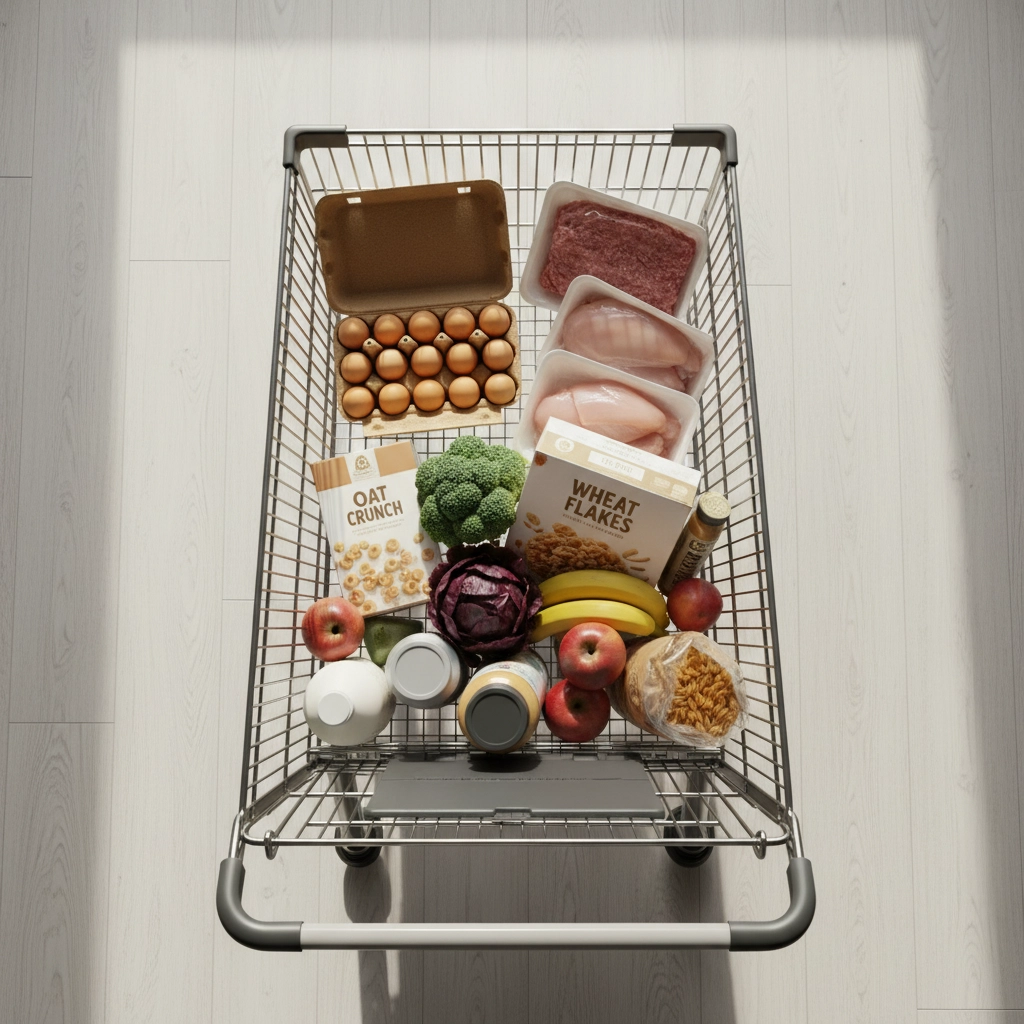
While overall food inflation has cooled, certain items are still causing serious budget headaches. Eggs are the biggest culprit right now: prices averaged 38.5% higher between January and June 2025 compared to 2024 overall. This ongoing mess is thanks to the Highly Pathogenic Avian Influenza (HPAI) outbreak that’s been decimating egg-laying flocks.
Meat prices climbed 3.0% higher due to tight supplies and continued consumer demand. And if you have pets or young kids, you’ve probably noticed pet food is up 8.2% and baby food has risen 7.5%. Even your snack cabinet isn’t safe: cookies and crackers cost 6.6% more, beverages are up 6.5%, and cereal prices have increased 5.4%.
On the flip side, some categories actually got cheaper. Fresh vegetables declined by 2.0%, and fats and oils fell by 0.6%. So there are opportunities to save if you know where to look.
Strategic Shopping That Actually Works
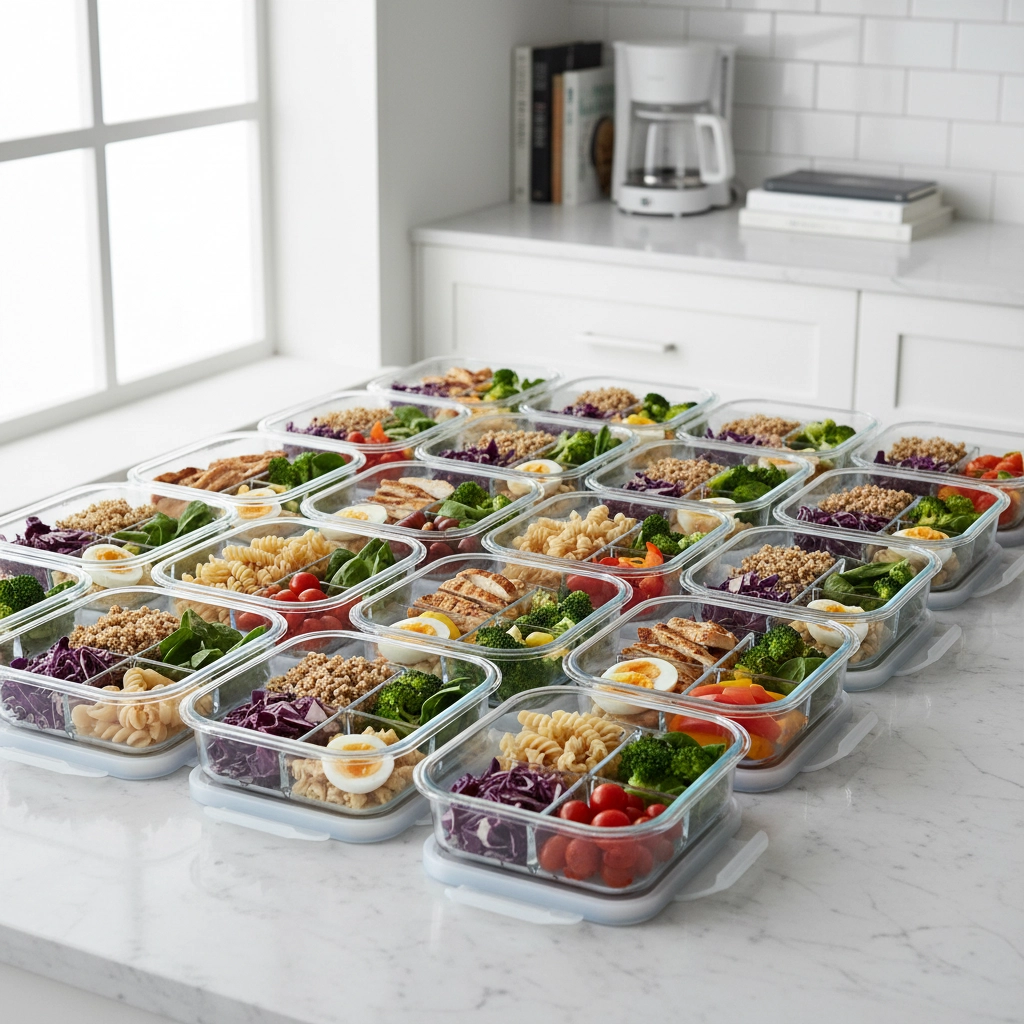
Master the art of meal planning. I know, I know: meal planning sounds like one of those things organized people do that the rest of us never quite master. But hear me out: this is genuinely one of the most effective ways to cut grocery costs and reduce food waste. When you map out your meals for the week, you avoid those expensive last-minute takeout decisions and random impulse purchases that add up fast.
Start simple. Plan just three or four meals for the week, then create a detailed shopping list based on what you actually need. Before you head to the store, check what you already have at home: you’d be amazed how often we buy duplicates of items hiding in the back of our pantry.
Get smart about protein choices. With meat prices elevated, this is where you can make the biggest impact on your grocery bill. Substituting beef with chicken, pork, fish, dairy products, or plant-based proteins can yield substantial savings. Going completely meatless just one or two days a week can save you nearly $1,000 per year: and that’s based on current elevated meat prices.
You don’t have to become a vegetarian overnight. Try “Meatless Monday” or experiment with hearty bean-based dishes that still feel satisfying and filling.
Bulk Buying and Storage Strategies
Buy in bulk: but be strategic about it. Bulk purchasing can significantly reduce per-unit costs, but only if you actually use what you buy. The key is portioning out perishables and freezing what you won’t use immediately. You can also split bulk purchases with friends or neighbors to save without overbuying.
Focus your bulk buying on non-perishables you use regularly: rice, pasta, canned goods, and frozen vegetables. Avoid bulk buying fresh produce unless you have a solid plan for using it all before it goes bad.
Time your shopping trips. This is a simple hack that can save you serious money: shop mid-week or early in the morning. You’ll snag markdowns on items approaching their sell-by dates and avoid the crowds that pick through the best deals. Many stores mark down meat, bakery items, and produce on Tuesday and Wednesday mornings.
Seasonal and Local Shopping Wins
Shop seasonally and explore different stores. In-season fruits and vegetables are typically 20-30% cheaper than out-of-season produce, plus they taste better. Summer is perfect for berries and stone fruits, fall brings cheaper apples and winter squashes, and spring offers deals on asparagus and early greens.
Don’t overlook discount and ethnic markets, which often feature significantly lower prices on staples. I’ve found amazing deals on rice, beans, spices, and vegetables at local ethnic markets that would cost twice as much at mainstream grocery stores.
Compare unit prices, not shelf prices. This is crucial: when comparing products, always look at the price per unit (per ounce, per pound) rather than the shelf price. Sometimes the larger size isn’t actually a better deal, and sometimes the store brand costs more per unit than the name brand on sale.
Smart Use of Technology and Programs
Maximize rewards and coupons strategically. Some credit cards offer bonus rewards for grocery shopping: typically 2-5% cash back. If you’re going to spend the money anyway, you might as well get something back. Just make sure you’re paying off your credit card in full each month, or the interest charges will wipe out any rewards.
Consider using curbside pickup for your grocery orders. It sounds counterintuitive, but shopping online can help you avoid impulse purchases and stick to your list. Plus, many stores offer pickup discounts to encourage the service.
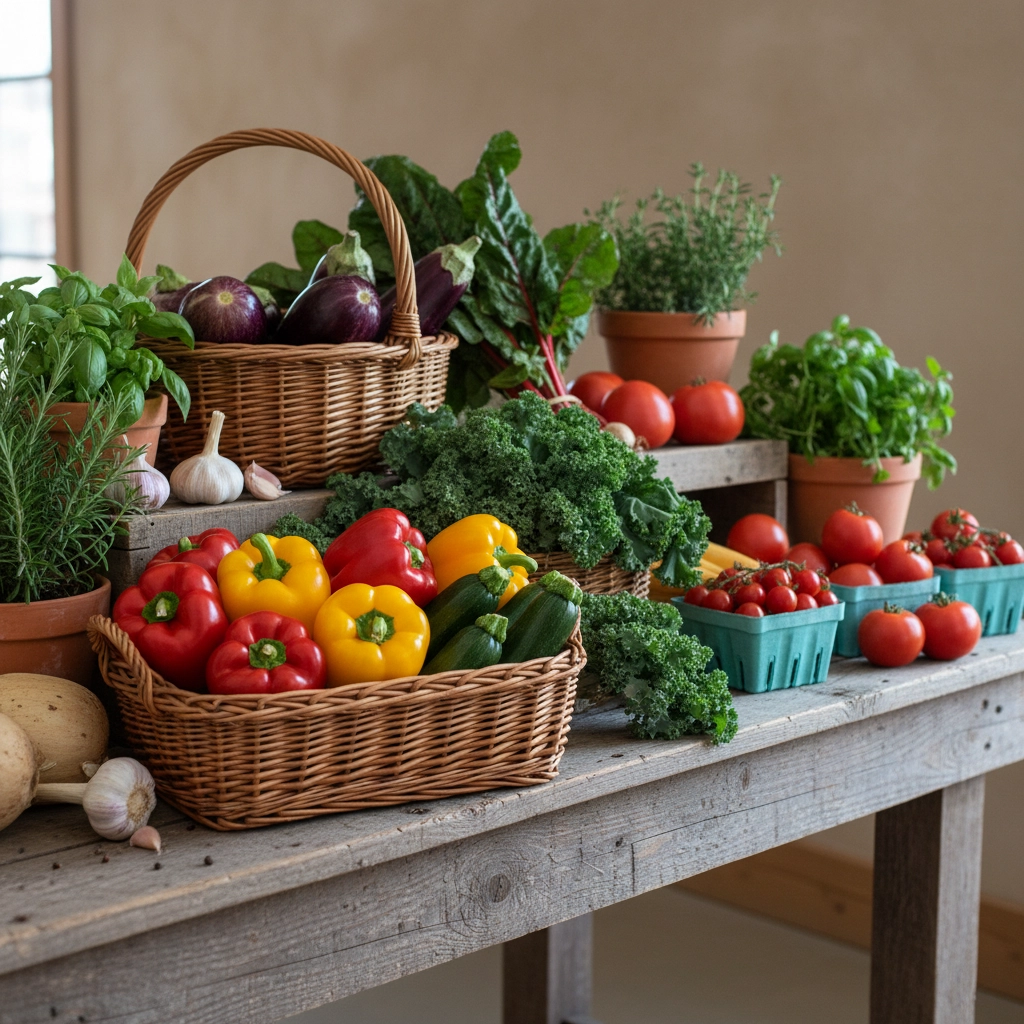
Grow what you can. Even without a backyard, you can grow herbs, tomatoes, or leafy greens in containers or on a sunny windowsill. Start with foods you actually eat regularly: there’s no point growing basil if you never cook with it. Fresh herbs from the store can cost $2-3 for a small package, while a $3 herb plant can provide months of fresh herbs.
Proper Storage and Waste Reduction
Store produce strategically to extend its life. When you get home from shopping, eat delicate produce like salad greens, berries, and ripe avocados first. Save hardier foods like carrots, potatoes, and frozen vegetables for later in the week. Proper storage can extend produce life by 3-5 days, which translates to real savings over time.
Learn which fruits and vegetables should be stored in the refrigerator versus on the counter. Tomatoes, potatoes, onions, and bananas do better at room temperature, while most other produce benefits from refrigeration.
Making the Most of What You Have
Get creative with leftovers. Instead of letting food go to waste, transform leftovers into new meals. Roast chicken becomes chicken soup or chicken salad. Leftover vegetables can be blended into smoothies or turned into frittatas. Stale bread becomes breadcrumbs or croutons.
The average American household throws away about $1,500 worth of food per year. Even cutting that waste by half puts $750 back in your pocket: money that can help offset higher grocery prices.
Remember, the goal isn’t to deprive yourself or eat poorly to save money. It’s about being strategic with your choices so you can afford the foods that matter most to you while avoiding waste and unnecessary expenses.
FAQs
How much should I expect my grocery bill to increase in 2025?
According to the USDA, grocery inflation 2025 is expected to increase by 2.2%, which is below historical averages. However, items like eggs and meat may rise more sharply.
What are the best apps for finding grocery deals?
Use Ibotta for cashback, Flipp for comparing weekly ads, and store apps like Target Circle or Kroger Plus for exclusive digital coupons and personalized discounts.
Is buying organic worth it during high inflation?
Focus your organic spending on the “Dirty Dozen” (like strawberries and spinach) and buy conventional for the “Clean Fifteen” (like avocados and sweet corn). This approach saves money while maintaining healthy food choices.
How can I save money on meat?
Opt for cheaper cuts, buy in bulk when on sale, and freeze portions. Ground meat and slow-cooked dishes help stretch your dollar further. Try going meatless once a week for even more savings.
Are warehouse stores like Costco worth it during inflation?
Warehouse memberships can be worthwhile if you buy staples in bulk and use them before they expire. Always calculate per-unit costs and factor in the membership fee to ensure real savings.