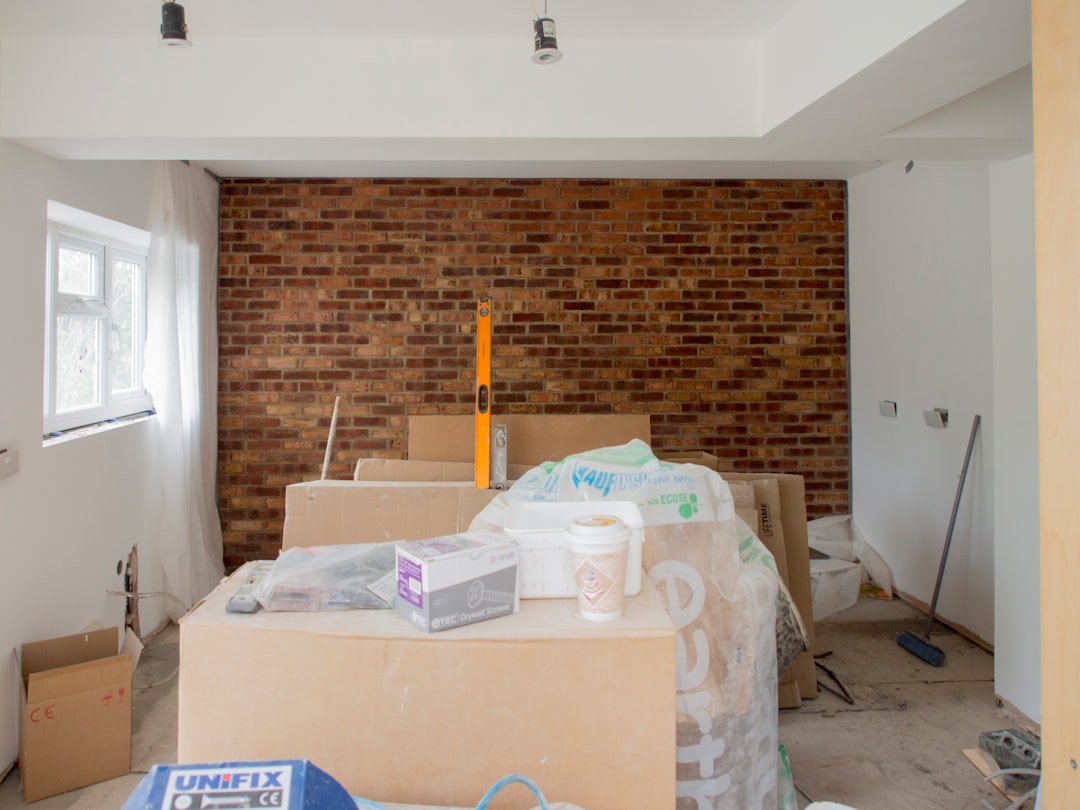
Before embarking on any home renovation budgeting project, it is crucial to assess your financial situation thoroughly. Understanding your current financial standing will provide a solid foundation for making informed decisions throughout the home renovation budgeting process. Start by taking a close look at your income, expenses, savings, and any existing debts.
This comprehensive overview will help you determine how much you can realistically allocate toward home renovation budgeting without jeopardizing your financial stability. Once you have a clear picture of your finances, consider creating a net worth statement. This document lists all your assets—such as cash, investments, and property—against your liabilities, including loans and credit card debt.
By calculating your net worth, you can gauge your overall financial health and identify areas where you might need to cut back or save more before diving into a home renovation budgeting project. Additionally, it’s wise to review your credit score, as this will play a significant role in determining your financing options later on.
Key Takeaways
Effective home renovation budgeting ensures that you understand the financial implications of your renovation projects, allowing you to make smarter choices.
-
- Assess your current financial situation before starting any renovation project
- Set realistic renovation goals based on your budget and resources
Understanding home renovation budgeting helps in setting priorities and allocating resources effectively.
- Create a detailed budget outlining all potential costs and expenses
- Research and compare costs for materials, labor, and other renovation expenses
- Explore financing options such as loans or home equity lines of credit to fund your renovation project
- Prioritize renovation projects based on your budget and the overall impact on your home
- Seek professional advice from contractors, designers, or financial advisors to ensure a successful renovation
- Stick to your budget to avoid overspending and financial strain
Setting Realistic Renovation Goals
Setting realistic home renovation budgeting goals is essential for ensuring that your project aligns with both your vision and your budget. Begin by identifying the primary reasons for your renovation. Are you looking to increase the value of your home, improve functionality, or simply refresh the aesthetic?
Having clear objectives will guide your decision-making process and help you prioritize tasks effectively. Once you have established your goals, it’s important to be realistic about what can be achieved within your budget and timeframe. Consider the scope of the project and the potential return on investment (ROI) for each renovation.
For instance, kitchen and bathroom remodels typically yield higher returns than other types of renovations when considering home renovation budgeting. By focusing on projects that align with your goals and offer good ROI, you can maximize the benefits of your investment while staying within financial limits.
Creating a Detailed Budget
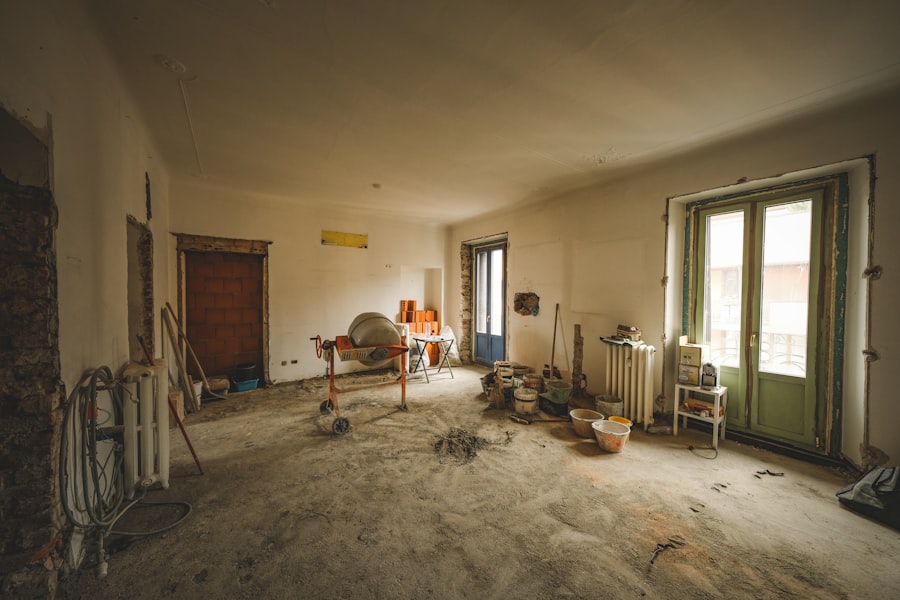
Creating a detailed home renovation budgeting plan is a critical step in the renovation process that can help prevent overspending and ensure that you stay on track. Start by listing all potential expenses associated with the renovation, including materials, labor, permits, and unexpected costs. It’s wise to allocate an additional 10-20% of your total budget for contingencies, as unforeseen issues often arise during renovations.
To create a more accurate budget, research the costs associated with each aspect of the project. This may involve visiting local home improvement stores, consulting with contractors, or using online resources to gather estimates. By breaking down the budget into specific categories—such as plumbing, electrical work, and finishes—you can gain a clearer understanding of where your money will go and make adjustments as needed to stay within your financial limits.
Researching and Comparing Costs
Researching and comparing costs is an essential part of ensuring that you get the best value for your renovation investment. Start by gathering quotes from multiple contractors or suppliers for the materials and services you need. This not only helps you understand the market rates but also gives you leverage when negotiating prices.
Mastering home renovation budgeting will help you avoid common pitfalls and enhance your project outcomes.
Don’t hesitate to ask for itemized estimates so you can see exactly what you’re paying for and identify any areas where you might be able to cut costs. In addition to contractor quotes, consider exploring alternative materials or methods that could save you money without compromising quality. For example, if you’re renovating a kitchen, look into laminate countertops instead of granite or consider refacing cabinets instead of replacing them entirely.
By being open to different options and comparing costs across various suppliers, you can make informed decisions that align with both your vision and home renovation budgeting.
Exploring Financing Options
Exploring financing options is a crucial step in managing the financial aspects of your home renovation budgeting project. Depending on the scale of your renovations and your current financial situation, there are several avenues you might consider.
These loans typically offer lower interest rates compared to personal loans or credit cards. Another option is to look into government programs or grants that may be available for home renovations, especially if you’re making energy-efficient upgrades or improvements that enhance accessibility. Additionally, some contractors offer financing plans that allow you to pay for renovations over time.
Be sure to carefully review the terms and conditions of any financing option to ensure it aligns with your long-term home renovation budgeting goals.
Prioritizing Renovation Projects

Prioritizing renovation projects is essential for managing both time and home renovation budgeting effectively. Start by categorizing projects based on their urgency and importance.
Once you’ve identified urgent projects, consider which renovations will provide the most significant impact on your home’s value or functionality. For example, kitchen and bathroom remodels often yield high returns on investment and can significantly enhance your living experience. By focusing on high-priority projects first, you can ensure that your renovation efforts are both effective and efficient.
Seeking Professional Advice
Seeking professional advice can be invaluable when navigating the complexities of home renovations. Whether you’re unsure about design choices or need guidance on building codes and permits, consulting with experts can save you time and money in the long run. Consider hiring an architect or designer if you’re planning significant structural changes; their expertise can help you avoid costly mistakes and ensure that your vision is executed effectively.
Consulting professionals in home renovation budgeting can save you time and money by offering valuable insights.
Additionally, don’t hesitate to reach out to contractors for advice on materials and construction methods. A reputable contractor can provide insights into what works best for your specific project and help you make informed decisions that align with both your goals and budget. Remember that investing in professional advice upfront can lead to smoother project execution and ultimately save you from potential headaches down the line.
Sticking to Your Budget
Sticking to your home renovation budgeting is perhaps one of the most challenging aspects of any renovation project, but it is crucial for maintaining financial health throughout the process.
Another effective strategy is to establish clear communication with contractors regarding budget constraints from the outset. Make sure they understand your financial limits so they can provide solutions that align with those parameters. If unexpected costs arise—and they often do—be prepared to reassess priorities and make adjustments as necessary to stay within budget without sacrificing essential elements of the project.
In conclusion, navigating a home renovation requires careful planning and consideration at every stage—from assessing your financial situation to sticking to your budget. By following these steps and remaining flexible throughout the process, you can achieve a successful renovation that enhances both the value of your home and your overall living experience.
By implementing effective home renovation budgeting strategies, you can reduce stress and enhance project success.
FAQs
How much contingency should I include in my renovation budget?
A good rule of thumb is 10–20% of the total budget for contingencies. Use the lower end for small, predictable projects and the higher end for older homes or major structural work.
What’s the least risky financing option for renovations?
A home equity loan or HELOC typically offers the lowest interest rates because it’s secured by your home. If you want to avoid debt entirely, prioritize saving in a dedicated renovation fund.
Do I need permits and how much do they cost?
Many structural, electrical, plumbing, or major HVAC changes require permits. Permit costs vary widely by municipality—plan for $50–$1,000+ depending on the scope and local fees. Always check with your local building department before starting work.
Should I hire a contractor or try DIY to save money?
DIY can save money for simple cosmetic tasks, but for structural, electrical, plumbing, or load-bearing work you should hire licensed professionals. Mistakes on critical systems often cost far more than the contractor would have charged.
Prioritize safety and systems (roof, foundation, HVAC, electrical), then high-ROI rooms like kitchens and bathrooms, followed by cosmetic upgrades. Create a priority list focused on home renovation budgeting and allocate funds based on urgency and expected return.
Prioritize safety and systems (roof, foundation, HVAC, electrical), then high-ROI rooms like kitchens and bathrooms, followed by cosmetic upgrades. Create a priority list and allocate funds based on urgency and expected return.
What’s the best way to track renovation spending?
Use a spreadsheet or budgeting app with categories (materials, labor, permits, contingency). Update it weekly and require itemized invoices from contractors to reconcile costs and avoid surprises.