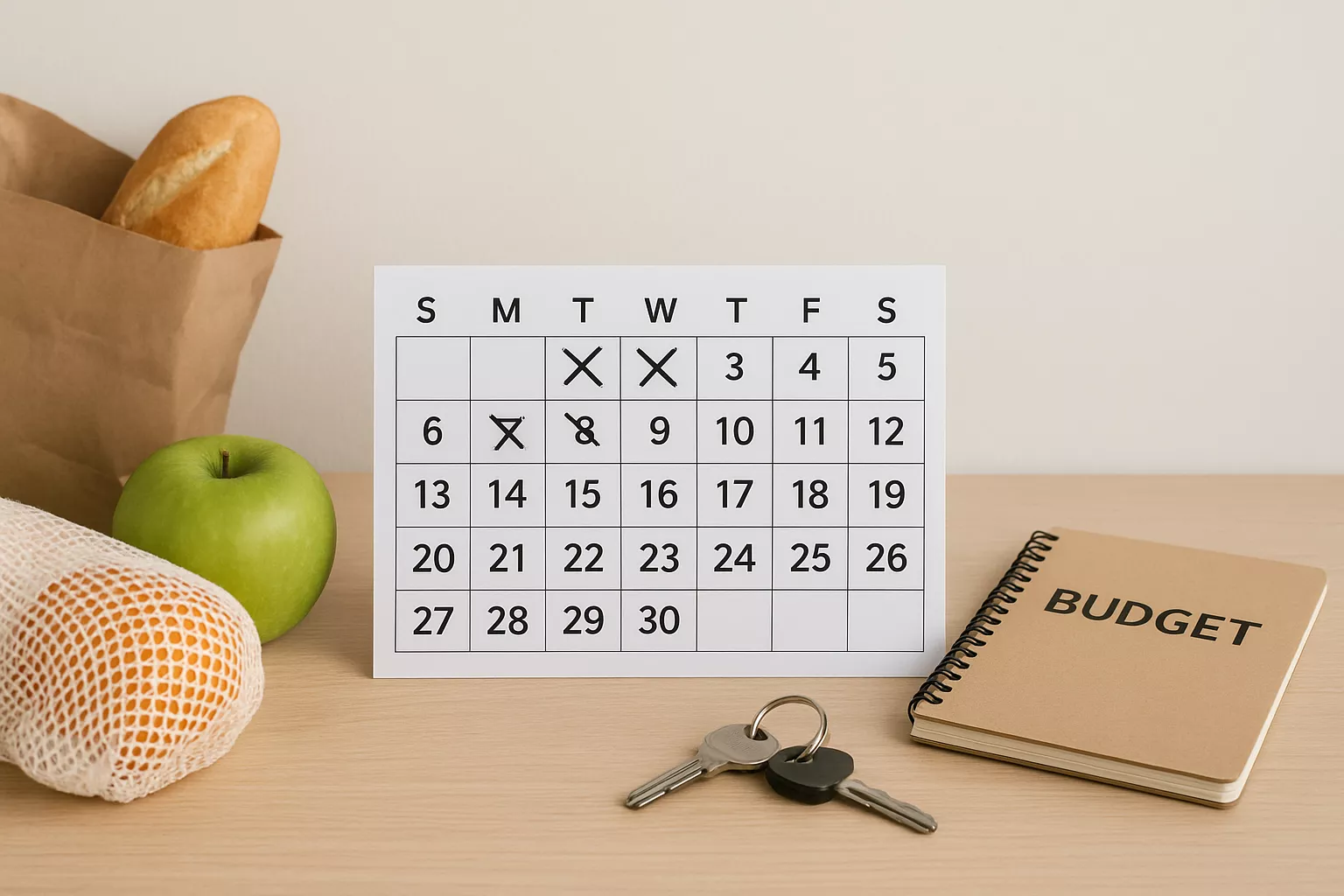
No spend month rules help you temporarily cut out all non-essential purchases so you can reset your habits and save more money. A no-spend month challenges you to spend only on true necessities while avoiding wants, impulse buys, and discretionary expenses. This guide explains what counts as essential, what to avoid, how to prepare, and how to succeed.
By the end, you’ll know exactly how to structure your challenge, what guidelines to set, and how to make your month as smooth and rewarding as possible.
Key Takeaways
-
A no-spend month limits purchases to essential expenses only.
-
You define your essential list before the challenge begins to prevent loopholes.
-
Planning meals, transportation, and free activities greatly increases success.
-
Non-essential purchases—including dining out, entertainment, and new subscriptions—are off-limits.
-
Exceptions should be defined ahead of time to avoid guilt or confusion.
-
Tracking expenses daily helps maintain progress and prevent slip-ups.
-
The challenge builds long-term habits that improve budgeting and reduce impulse spending.
What Are No Spend Month Rules?
No spend month rules are a set of guidelines that limit your spending to essential expenses for 30 days. Instead of buying whatever you want, you commit to a temporary spending freeze where only pre-approved necessities are allowed.
Simple Definition (AEO-friendly)
A no-spend month means you stop buying all non-essential items and services for 30 days and only spend on necessary living costs.
These challenges are popular for people who want to reset their money habits, get back on budget, or save quickly for a goal. They work for families, individuals, and even couples who want to be more mindful with money.
Why Do No Spend Month Rules Matter?
Following clear guidelines helps you avoid impulsive decisions and emotional spending. Without rules, it’s easy to rationalize purchases that aren’t truly needed.
The Behavioral Science Angle
According to the American Psychological Association, most impulse spending is driven by stress, boredom, or emotional triggers. Setting strict rules for a defined period creates a structure that reduces those triggers and builds discipline.
Benefits of Setting Rules Upfront
-
Removes daily decision fatigue
-
Ensures consistency
-
Reinforces commitment
-
Helps you reach savings goals faster
-
Creates awareness around spending habits
How Do You Follow No Spend Month Rules Successfully?
Success comes from planning ahead and setting boundaries that match your lifestyle.
Below is a breakdown of what you can—and cannot—spend money on.
What Can You Spend Money On During a No-Spend Month?
Your “allowed” list includes necessities that support daily living.
Essentials You Can Spend On
-
Rent or mortgage
-
Utilities (electricity, water, internet)
-
Groceries and household basics
-
Necessary transportation (fuel, bus fare)
-
Medical needs and prescriptions
-
Child-related essentials
-
Pet food and care
-
Pre-planned bills or fees
Necessary Replacements
These are acceptable only if absolutely required:
-
Broken laptop needed for work
-
Car repair that affects safety
-
Replacement of a vital household item (e.g., fridge)
The rule is simple: Replace only what directly affects your safety, health, or ability to function.
What Should You Avoid During a No-Spend Month?
Your “do not buy” list is equally important to define clearly.
What Counts as Non-Essential?
-
Eating out or takeout
-
Coffee runs
-
Clothing (unless urgent and required)
-
Beauty services
-
New gadgets or home décor
-
Entertainment purchases
-
Hobby supplies
-
Impulse online shopping
-
New subscriptions or apps
If it’s not required for survival or responsibilities, skip it.
How Do You Prepare for a No-Spend Month?
Preparation prevents frustration and reduces the chance of breaking your own rules.
Step-by-Step Preparation Guide
-
Write Your Essential Spending List
Define what counts as a necessary expense for the month. -
Plan Meals Ahead
Reduce grocery trips and rely on pantry and freezer staples. -
Schedule Free Activities
Examples include library visits, hiking, volunteering, or free local events. -
Set Your Exceptions
Pre-planned events like weddings or birthdays should be listed in advance. -
Shop-Proof Your Environment
-
Remove saved credit card info from websites
-
Unsubscribe from promotional emails
-
Hide shopping apps from your home screen
-
Leave credit cards at home and use cash if it helps
-
-
Tell Someone About Your Challenge
Accountability boosts success.
Tracking Your Progress
Use a notebook, a budgeting app, or a spreadsheet to record any allowed expenses. Seeing your numbers grow or remain stable provides motivation and clarity.
What Are Some Examples of No Spend Month Rules?
Below is a sample rule set that many beginners follow:
Sample Rule List
| Rule Type | Details |
|---|---|
| Essentials Allowed | Rent, utilities, groceries, medicine, transportation |
| Not Allowed | Eating out, entertainment, online shopping, clothing |
| Exceptions | Pre-planned events, essential replacements |
| Preparation | Meal plan, unsubscribe from emails, free activities |
| Daily Practice | Track expenses, reflect, avoid temptation |
This table makes it easy to see how straightforward the guidelines can be.
What Mistakes Should You Avoid During a No-Spend Month?
Even with the right rules, challenges can be derailed by common mistakes.
Common Pitfalls
-
Not defining your allowed list clearly
-
Leaving room for “gray area” purchases
-
Going grocery shopping without a list
-
Forgetting to plan meals or activities
-
Feeling guilty after a slip-up and quitting
-
Trying to overhaul every part of your life at once
The key is to make rules realistic, not extreme.
What Are the Long-Term Benefits of Following No Spend Month Rules?
A no-spend month is more than a short-term challenge—it often leads to meaningful financial and personal growth.
Lasting Impact
-
Better awareness of emotional spending triggers
-
More intentional purchasing habits
-
A stronger emergency fund
-
Extra money for debt repayment
-
Improved self-discipline
-
Greater appreciation for what you have
These benefits extend beyond 30 days and lay the foundation for healthier financial behavior.
Conclusion + Next Steps
No spend month rules are a powerful way to reset your relationship with money. By committing to essentials only, setting clear boundaries, and preparing in advance, you create a structure that supports better budgeting and long-term savings.
To continue building healthy money habits, consider:
-
Doing a no-spend day once a week
-
Trying a no-spend weekend
-
Committing to a no-spend year, with flexible monthly resets
Start small, track your progress, and celebrate every win.
FAQs
What counts as an essential expense during a no-spend month?
Essential expenses include housing, utilities, groceries, transportation, medication, and necessary replacements that support daily life.
Can I eat out during a no-spend month?
No. Restaurants, takeout, and coffee purchases are considered non-essential and should be avoided.
Are groceries allowed during a no-spend challenge?
Yes, but only for basic food items and household necessities. Avoid extra snacks, treats, or convenience foods.
What happens if I break a rule?
A slip doesn’t mean you failed. Acknowledge it, adjust if needed, and continue with the challenge.
How is a no-spend month different from a no-spend year?
A no-spend year is a longer commitment with periodic resets and more flexible exceptions, while a no-spend month is a shorter, stricter challenge.