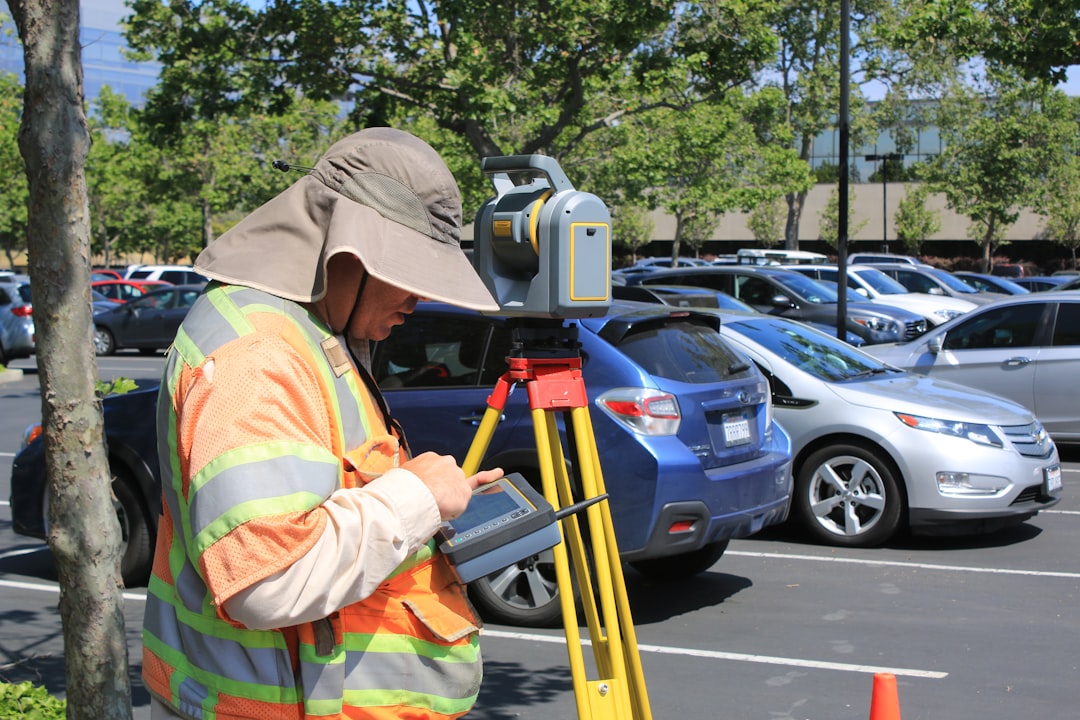
Permits and inspections for home projects are crucial components of any home renovation project. They serve as a safeguard, ensuring that the work being done adheres to local building codes and safety standards. By obtaining the necessary permits, homeowners not only protect their investment but also contribute to the overall safety and integrity of their community.
Inspections, on the other hand, provide an additional layer of oversight, allowing professionals to verify that the work meets established guidelines and is safe for occupancy. Moreover, permits and inspections can significantly impact the resale value of a home. When potential buyers see that renovations were completed with the proper permits, it instills confidence in the quality and legality of the work.
Understanding the permits and inspections for home projects can also help homeowners plan their budgets more effectively.
Conversely, unpermitted work can lead to complications during the sale process, including fines or the need for costly retroactive permits. Understanding the importance of these processes is essential for any homeowner looking to undertake renovations.
Key Takeaways
- Permits and inspections for home projects are important for ensuring the safety and compliance of home renovation projects.
- Obtaining permits and inspections for home projects is a crucial step in the process.
- Common home projects such as electrical work, plumbing, and structural changes require permits and inspections for home projects.
- The permit application process involves submitting necessary documentation and paying applicable fees.
- Working with inspectors during home projects is essential for ensuring that work meets building codes and regulations.
Obtaining Permits for Home Renovation Projects
The process of obtaining permits and inspections for home projects can seem daunting, but it is a necessary step that ensures compliance with local regulations.
Typically, larger projects such as additions, structural changes, or significant electrical and plumbing work will require permits, while minor cosmetic changes may not. Once you have determined that your project requires a permit, the next step is to gather the necessary documentation. This often includes detailed plans or blueprints of the proposed work, a description of the project, and sometimes even engineering reports.
Depending on your location, you may also need to submit applications that outline your project’s scope and purpose. It’s advisable to consult with a professional contractor or architect who can help ensure that your plans meet all local codes and standards before submission.
Common Home Projects that Require Permits and Inspections

Many homeowners are surprised to learn which projects require permits and inspections for home projects. Common renovations that typically necessitate permits include major structural changes like room additions or basement finishing.
Electrical upgrades, such as installing new circuits or upgrading service panels, usually require permits and inspections for home projects due to the potential hazards involved.
Even seemingly minor projects like replacing windows or doors can require permits and inspections for home projects if they alter the structure’s exterior or affect energy efficiency standards.
The Permit Application Process
The permit application process for permits and inspections for home projects can vary significantly depending on your location and the complexity of your project.
It’s important to be thorough in your submission; incomplete applications can lead to delays or outright rejections. After submission, your application will typically undergo a review process where building officials assess whether your plans comply with local codes and zoning laws. This review period can take anywhere from a few days to several weeks, depending on the workload of the department and the complexity of your project.
Once approved, you will receive your permit, which must be displayed prominently at the job site during construction. Remember that some projects may require multiple inspections at different stages of completion, so be prepared for follow-up visits from inspectors.
Working with Inspectors during Home Projects
Working with inspectors during home renovation projects is an essential part of ensuring compliance with permits and inspections for home projects.
During inspections, be prepared to answer questions about your project and provide access to areas where work is being done. It’s also beneficial to have your contractor present during these visits, as they can address technical questions and clarify any concerns the inspector may have. If issues arise during an inspection, take them seriously; addressing problems promptly can prevent costly delays and ensure that your project stays on track.
Consequences of Skipping Permits and Inspections

For every renovation project, ensuring permits and inspections for home projects are in place is critical to avoid future complications.
Skipping permits and inspections can lead to a host of negative consequences for homeowners. One of the most immediate risks is safety; without proper oversight, renovations may not meet building codes, potentially leading to hazardous conditions. For example, improper electrical work can result in fire hazards, while unpermitted structural changes could compromise the integrity of your home.
Additionally, failing to obtain necessary permits can create significant legal issues down the line. If local authorities discover unpermitted work, you may face fines or be required to undo completed renovations. This can lead to costly retrofits or even legal action if disputes arise with neighbors or future buyers.
Ultimately, while it may seem tempting to bypass these processes for speed or cost savings, the long-term repercussions can far outweigh any short-term benefits.
Tips for a Successful Permit and Inspection Process
Always keep in mind that permits and inspections for home projects can vary by location, so it’s important to stay informed.
Navigating the permit and inspection process successfully requires careful planning and attention to detail. One key tip is to start early; researching local requirements and gathering necessary documentation before beginning your project can save you time and frustration later on. Additionally, maintaining open communication with your contractor and local building officials can help clarify expectations and streamline the process.
Another important aspect is organization; keep all documents related to your permits and inspections in one place for easy access. This includes copies of applications, correspondence with officials, and inspection reports. Being organized not only helps you stay on top of deadlines but also demonstrates professionalism should any questions arise during inspections.
Resources for Finding Permit and Inspection Information
Additionally, local workshops often discuss permits and inspections for home projects, providing valuable insights to homeowners.
Finding accurate information about permits and inspections is crucial for any homeowner planning a renovation project. A good starting point is your local government’s website; most municipalities provide detailed guidelines on what projects require permits and how to apply for them. Many sites also offer downloadable forms and contact information for building departments.
In addition to official resources, consider reaching out to local contractors or builders who have experience navigating the permit process in your area. They can provide valuable insights based on their firsthand experiences and may even have tips for expediting approvals. Online forums and community groups focused on home improvement can also be excellent sources of information as they often share personal experiences related to permits and inspections.
In conclusion, understanding the importance of permits and inspections for home projects is vital for any homeowner embarking on a renovation project.
FAQs
Do all home projects require permits?
No. Cosmetic changes like painting or flooring usually don’t, but structural, plumbing, and electrical work typically does.
How long does it take to get a permit approved?
Approval can take anywhere from a few days to several weeks, depending on your project and local building department workload.
What happens if I skip getting a permit?
You risk fines, legal issues, unsafe work, and reduced resale value. Authorities may even require you to undo completed work.
Can I apply for a permit myself, or do I need a contractor?
Homeowners can often apply themselves, but working with a licensed contractor or architect helps ensure plans meet local codes.
How many inspections will my project need?
It depends on the scope. Large projects may require inspections at different stages (foundation, electrical, final).