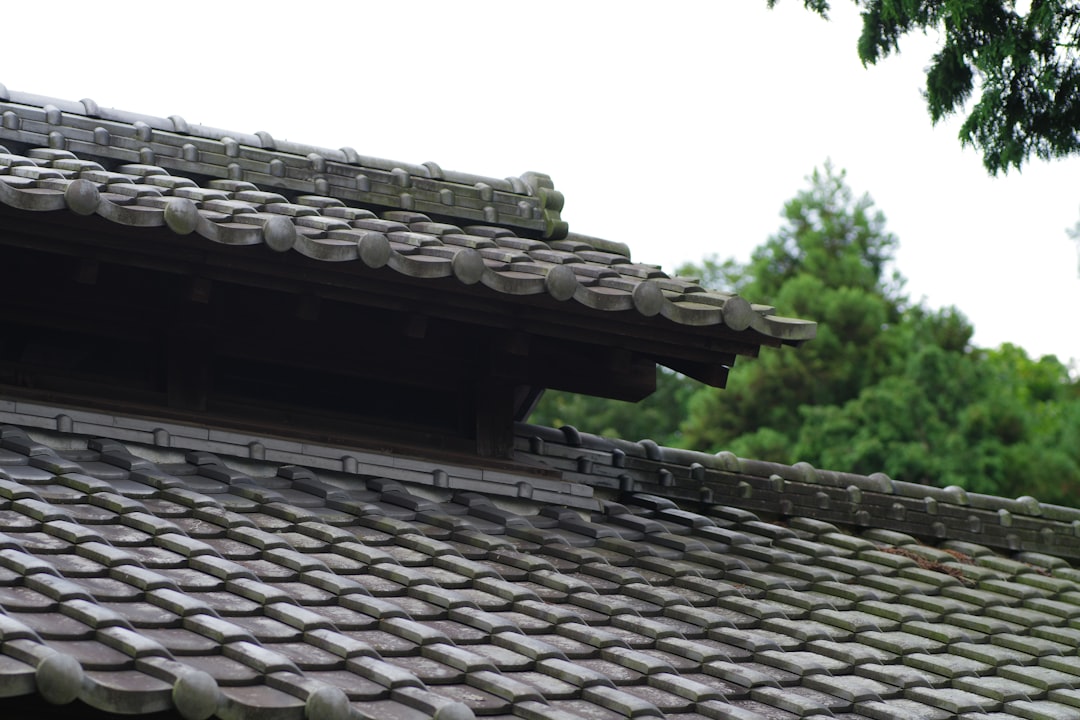
Recognizing the signs of roof damage early is essential to protecting your home. A leaking or deteriorating roof can quickly escalate from minor inconvenience to major structural issue if left unaddressed. But should you opt for roof repair vs replacement? The right choice depends on the extent of the damage, the age of your roof, and your long-term goals.
Additionally, missing or damaged shingles are clear indicators that your roof may need attention. Shingles that are cracked, curled, or completely absent can compromise the roof’s ability to protect your home from the elements. Another sign to watch for is granule loss, which can often be seen in your gutters or on the ground around your home.
Granules protect shingles from UV rays and help with waterproofing; their absence can lead to accelerated deterioration. Furthermore, if you find an increase in energy bills, it could indicate that your roof is not performing efficiently, allowing heat or cool air to escape. Regular inspections can help catch these signs early, preventing more extensive damage and costly repairs down the line.
Key Takeaways
- Signs of Roof Damage:
- Missing or damaged shingles
- Leaks or water stains on the ceiling
- Sagging or uneven roof
- Excessive granules in gutters
- Mold or mildew growth
- Benefits of Repairing the Roof:
- Extending the lifespan of the roof
- Preventing further damage to the home
- Maintaining property value
- Lowering energy costs
- Avoiding potential safety hazards
- When to Consider Roof Replacement:
- Extensive damage or deterioration
- Multiple repairs over a short period
- Roof nearing the end of its lifespan
- Structural issues
- Desire for a new roof material or style
- Cost Comparison: Repair vs Replacement:
- Repair costs are generally lower
- Replacement provides long-term savings
- Factors such as materials and labor affect costs
- Replacement may be more cost-effective in the long run
- Consider long-term benefits when making a decision
- Hiring a Professional for Roof Repair or Replacement:
- Ensure the contractor is licensed and insured
- Get multiple quotes for comparison
- Check references and reviews
- Ask about warranties and guarantees
- Communication and trust are key factors in hiring a professional
- Environmental Impact of Roof Repair vs Replacement:
- Repairing extends the life of existing materials
- Replacement may involve disposal of old materials
- Consider eco-friendly roofing options
- Energy-efficient materials can reduce environmental impact
- Consult with a professional for sustainable options
- Long-term Durability and Maintenance:
- Regular maintenance can extend the life of the roof
- Quality materials and installation affect durability
- Consider climate and weather conditions
- Proper ventilation and insulation are important for longevity
- Regular inspections can catch issues early
- Making the Decision: Repair or Replace?
- Consider the extent of damage
- Evaluate the age and condition of the roof
- Factor in long-term costs and benefits
- Consult with a professional for an assessment
- Ultimately, the decision should be based on the best long-term solution for the home
Benefits of Repairing the Roof
Repairing your roof offers numerous benefits that extend beyond just aesthetics. First and foremost, timely repairs can significantly extend the lifespan of your roof. By addressing minor issues before they escalate into major problems, you can avoid the need for a full replacement, which is a much more significant investment.
Additionally, a well-maintained roof enhances your home’s curb appeal, potentially increasing its market value. Buyers are often deterred by visible signs of neglect, so keeping your roof in good condition can make a positive impression. Moreover, repairing your roof can improve energy efficiency.
A compromised roof can lead to air leaks, causing your heating and cooling systems to work harder and increasing your energy bills. By sealing leaks and replacing damaged materials, you can create a more energy-efficient home environment. This not only saves you money but also contributes to a more sustainable lifestyle by reducing your overall energy consumption.
When to Consider Roof Replacement
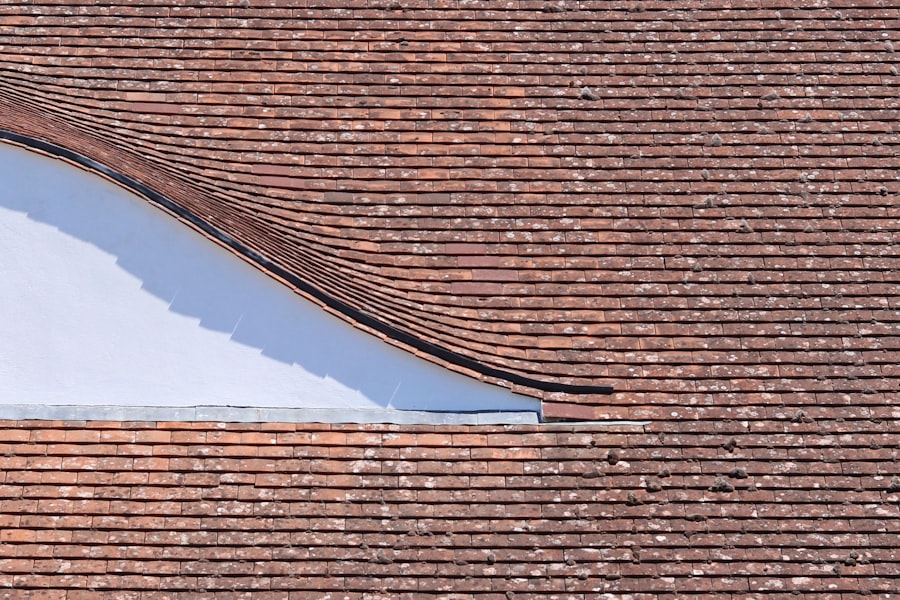
While repairs can often extend the life of your roof, there comes a time when replacement is the more prudent option. If your roof is nearing the end of its expected lifespan—typically 20 to 30 years for asphalt shingles—it may be time to consider a full replacement. Even if there are no visible signs of damage, an aging roof may not perform as effectively as it once did, leading to potential issues down the line.
Another scenario where replacement might be necessary is if you have experienced significant storm damage. Severe weather events can compromise the structural integrity of your roof, and in some cases, repairs may not suffice. If you find yourself frequently repairing your roof due to recurring issues, it may be more cost-effective in the long run to invest in a new roof altogether.
Additionally, if you plan to sell your home in the near future, a new roof can be a strong selling point that attracts potential buyers.
Cost Comparison: Repair vs Replacement
When weighing the options between roof repair and replacement, understanding the costs involved is essential. Generally speaking, minor repairs can range from a few hundred dollars to a couple of thousand, depending on the extent of the damage and materials used. For instance, patching a small leak or replacing a few shingles is typically less expensive than addressing widespread issues like rotting wood or extensive water damage.
On the other hand, a full roof replacement can be a significant investment, often ranging from $5,000 to $20,000 or more based on factors such as the size of your home, roofing materials chosen, and labor costs in your area. While this upfront cost may seem daunting, it’s important to consider the long-term savings associated with a new roof. A new roof can provide better energy efficiency and reduce maintenance costs over time.
To make an informed decision, consider creating a simple budget that outlines potential repair costs versus replacement costs over the next several years.
Hiring a Professional for Roof Repair or Replacement
When it comes to roof repair or replacement, hiring a professional is often the best course of action. Experienced roofing contractors possess the knowledge and skills necessary to assess the condition of your roof accurately and recommend appropriate solutions. They can identify underlying issues that may not be immediately visible to an untrained eye and provide you with a comprehensive plan for addressing them.
Moreover, professional contractors are familiar with local building codes and regulations, ensuring that any work done on your roof complies with legal standards. This not only protects you from potential fines but also ensures that your roof will perform optimally for years to come. When selecting a contractor, it’s wise to seek multiple quotes and check references to ensure you’re hiring someone reputable and trustworthy.
Environmental Impact of Roof Repair vs Replacement
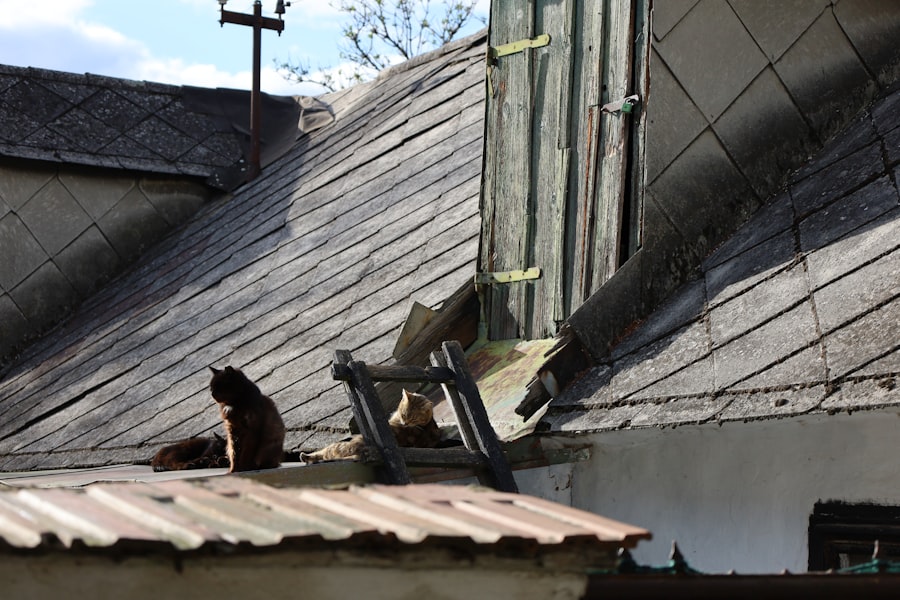
The environmental impact of roofing decisions is an increasingly important consideration for homeowners today. Repairing an existing roof is generally more environmentally friendly than opting for a full replacement. By choosing to repair rather than replace, you are minimizing waste and reducing the demand for new materials, which often require significant energy and resources to produce.
However, if a replacement is necessary, consider selecting eco-friendly materials such as metal roofing or recycled shingles. These options not only reduce environmental impact but also offer durability and longevity that can further minimize future waste. Additionally, some roofing materials are designed to reflect sunlight, which can help reduce energy consumption in your home by keeping it cooler during hot months.
Long-term Durability and Maintenance
When considering whether to repair or replace your roof, it’s essential to think about long-term durability and maintenance requirements. New roofing materials often come with warranties that guarantee their performance for several years, providing peace of mind for homeowners. For example, metal roofs can last 50 years or more with minimal maintenance compared to traditional asphalt shingles that may require more frequent repairs.
On the other hand, if you choose to repair an older roof, it’s crucial to understand that ongoing maintenance will likely be necessary. Regular inspections and upkeep will help ensure that small issues do not escalate into larger problems. This proactive approach can extend the life of your roof but requires commitment and diligence on your part.
Making the Decision: Repair or Replace?
Ultimately, deciding whether to repair or replace your roof involves careful consideration of various factors including cost, condition, and long-term goals. Start by assessing the current state of your roof—look for signs of damage and consider its age. If repairs are minor and infrequent, it may make sense to continue with repairs; however, if you find yourself facing recurring issues or if the roof is nearing its lifespan, replacement might be the better option.
Additionally, think about your future plans for your home. If you intend to stay for many years to come, investing in a new roof could provide long-term benefits in terms of energy efficiency and reduced maintenance costs. Conversely, if you plan to sell soon, addressing any existing issues through repairs could enhance your home’s value without the immediate financial burden of a full replacement.
Ultimately, weigh all these factors carefully and consult with professionals to make an informed decision that aligns with both your budget and your home’s needs.
FAQs
How do I know if my roof needs repair or replacement?
Check for age, extent of damage, and frequency of repairs. A professional inspection can confirm whether minor fixes will suffice or if replacement is necessary.
How much does roof repair usually cost?
Minor repairs can cost between $300–$2,000, while larger fixes may be higher depending on materials and labor.
How long does a roof replacement take?
Most residential roof replacements take 1–3 days, though larger homes or specialty materials may take longer.
What’s the most durable roofing material?
Metal and slate roofs can last 50+ years, while asphalt shingles typically last 20–30 years with proper maintenance.
Is repairing a roof environmentally friendly?
Yes. Repairs extend the life of your current roof and reduce material waste, making it the greener option when feasible.