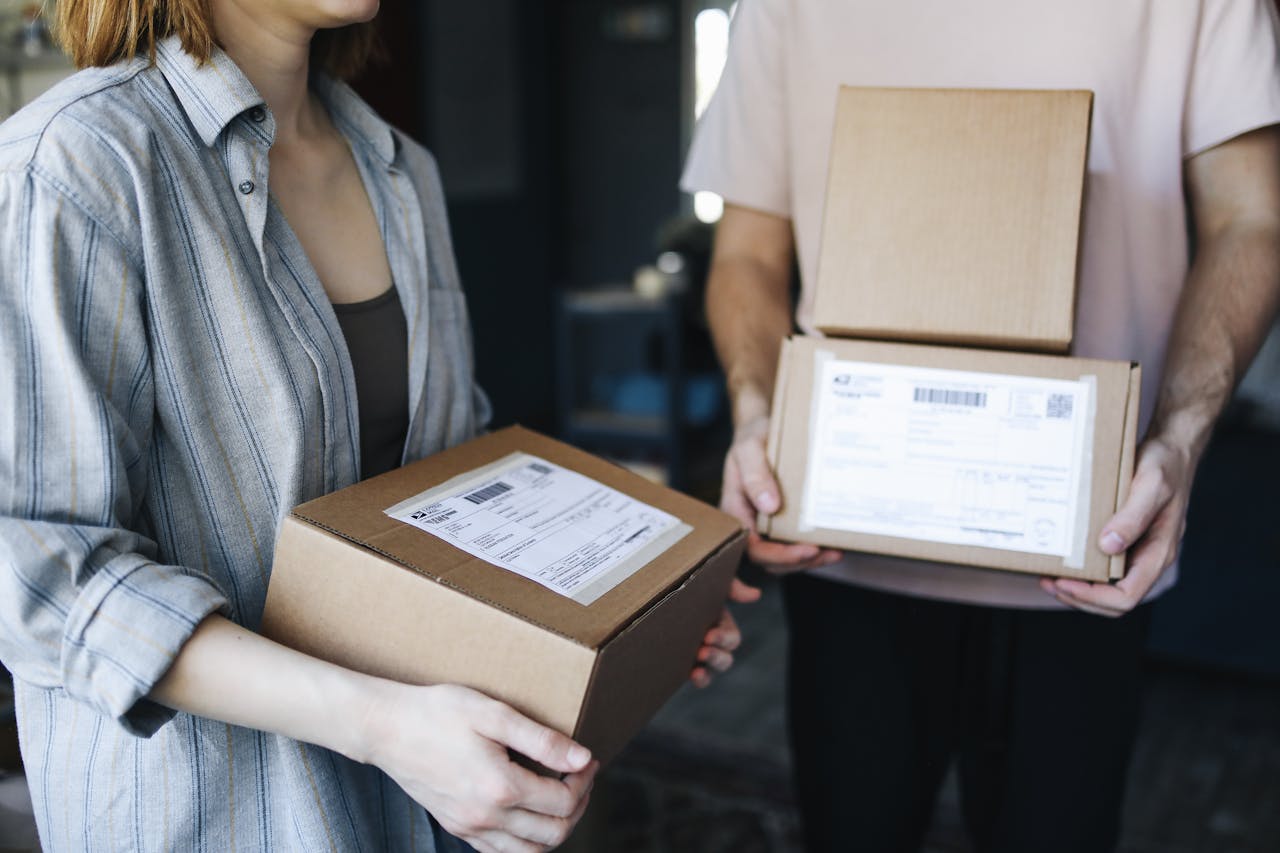
Small Business Delivery Solutions are essential for companies that need to move products quickly, reliably, and affordably. Whether you ship nationwide, run local deliveries, or manage e-commerce orders, the right solution can reduce costs and improve customer satisfaction. This guide explains the best delivery options, mistakes to avoid, and how small businesses can streamline their shipping strategy.
Key Takeaways
-
Small Business Delivery Solutions include national carriers, couriers, delivery software, and 3PL providers.
-
USPS is often the cheapest option for lightweight packages.
-
UPS, FedEx, and DHL offer fast, trackable domestic and international shipping.
-
Local courier and hyperlocal apps help businesses deliver same-day orders.
-
Delivery software integrates carriers, automates labels, and reduces errors.
-
In-house fleets can work for regional delivery but require management tools.
-
Choosing the right mix of solutions keeps costs low and improves reliability.
What Are Small Business Delivery Solutions?
Small Business Delivery Solutions refer to the tools, services, and strategies companies use to send products to customers. These solutions range from national carriers like USPS and FedEx to hyperlocal couriers, delivery apps, and full-service logistics providers.
Core Types of Delivery Solutions
-
National Carriers: USPS, UPS, FedEx, and DHL for domestic and international shipping.
-
Local Courier Services: Ideal for same-day or short-distance delivery.
-
Shipping Software: Tools like ShipStation help compare rates and print labels.
-
Third-Party Logistics (3PL): Providers like ShipBob or FBA manage storage, packing, and shipping.
-
In-House Fleets: Businesses manage drivers, vehicles, and routes internally.
Delivery needs vary based on package size, delivery speed, customer location, and order volume. A hybrid approach often works best.
Why Do Small Business Delivery Solutions Matter?
Reliable delivery is a direct driver of customer satisfaction and business growth. A good delivery strategy helps businesses compete with larger brands and meet rising customer expectations for speed and transparency.
Customer Expectations
According to the U.S. Postal Service Office of Inspector General, 87% of online shoppers expect tracking on every package, showing how important reliable delivery is for customer trust (source: USPS OIG). When a business offers accurate tracking and predictable delivery times, customers are more likely to return.
Cost Efficiency
Shipping costs can make or break small business profitability. Delivery solutions that include rate comparison tools, negotiated carrier discounts, or optimized routing help reduce overall expenses. This is especially important for e-commerce companies that ship daily.
How Can You Choose and Use Small Business Delivery Solutions Effectively?
Choosing the right shipping strategy depends on your product type, access to carriers, and customer expectations. Here’s how to build the ideal setup.
Step-by-Step Guide to Selecting the Best Delivery Options
Step 1: Identify Delivery Needs
-
Local, national, international
-
Lightweight or heavy packages
-
Fast or flexible timelines
Step 2: Compare Carrier Strengths
USPS is best for small parcels, UPS excels at ground shipping, while DHL specializes in international routes.
Step 3: Add Delivery Software
Use tools like Sendcloud or Easyship to compare prices and automate label printing.
Step 4: Evaluate 3PL Providers
If you ship 100+ orders monthly, outsourcing fulfillment to ShipBob or Amazon FBA may cut costs.
Step 5: Improve Your Workflow
Route optimization tools like OptimoRoute can reduce fuel costs and travel time for in-house fleets.
What Are Some Examples of Delivery Solutions for Small Businesses?
These examples showcase different approaches based on company size and needs.
National Carrier Comparison Table
| Carrier | Best For | Pros | Cons |
|---|---|---|---|
| USPS | Lightweight, domestic | Cheap, Saturday delivery | Limited tracking on some services |
| UPS | Larger packages | Strong ground shipping, reliable | More expensive |
| FedEx | Fast and urgent shipments | Excellent tracking, overnight options | Higher rates |
| DHL | International | Global network, fast customs | Limited domestic services |
Hyperlocal and Same-Day Delivery
-
Roadie: Good for large or urgent same-day deliveries.
-
Borzo, Dunzo, Porter: Popular in metro areas for fast pickup and drop-off.
Delivery Software Example
ShipStation helps automate labels, track shipments, and integrate carts like Shopify, WooCommerce, and Etsy.
What Mistakes Should Small Businesses Avoid With Delivery Solutions?
Overpaying for Shipping
Many businesses default to one carrier, missing out on cheaper options. Using rate comparison tools ensures you never overpay.
Not Offering Multiple Delivery Speeds
Customers expect at least two choices: low-cost standard shipping and fast, paid express shipping.
Ignoring Return Logistics
Returns are part of the customer experience. Choosing carriers that support prepaid return labels makes the process easier.
What Are the Long-Term Benefits of Using the Right Small Business Delivery Solutions?
When businesses streamline shipping, they save time, reduce costs, and provide a better customer experience. Over time, these small wins compound into significant growth.
Higher Conversion Rates
Offering fast, reliable delivery can reduce cart abandonment and increase average order value.
Operational Efficiency
Delivery software and optimized routes help teams work faster and with fewer errors, improving fulfillment performance.
Scalable Growth
3PLs and automation tools ensure you can grow without hiring extra staff or investing in large warehouse space.
Conclusion + Next Steps
Small Business Delivery Solutions give companies the flexibility to grow, compete, and meet customer expectations. Whether you’re shipping a few packages a week or managing hundreds of orders daily, selecting the right carriers, tools, and workflows can reduce costs and improve reliability. To get started, compare carrier rates, explore shipping software, and consider whether outsourcing fulfillment or managing an in-house fleet best fits your business model.
FAQs:
What is the most cost-effective delivery option for small businesses?
USPS is usually the cheapest choice for small, lightweight domestic packages.
Can small businesses use 3PL providers?
Yes, 3PL providers like ShipBob or Amazon FBA help small businesses store, pick, pack, and ship orders.
How can I reduce my shipping costs as a small business?
Use rate-comparison tools, lightweight packaging, and negotiate discounts with carriers.
What is the best delivery option for local orders?
Local courier services or same-day apps like Roadie work best for fast, short-distance deliveries.
Should I build an in-house delivery fleet?
An in-house fleet works if most deliveries are local, but you must manage drivers, routes, and vehicle costs.