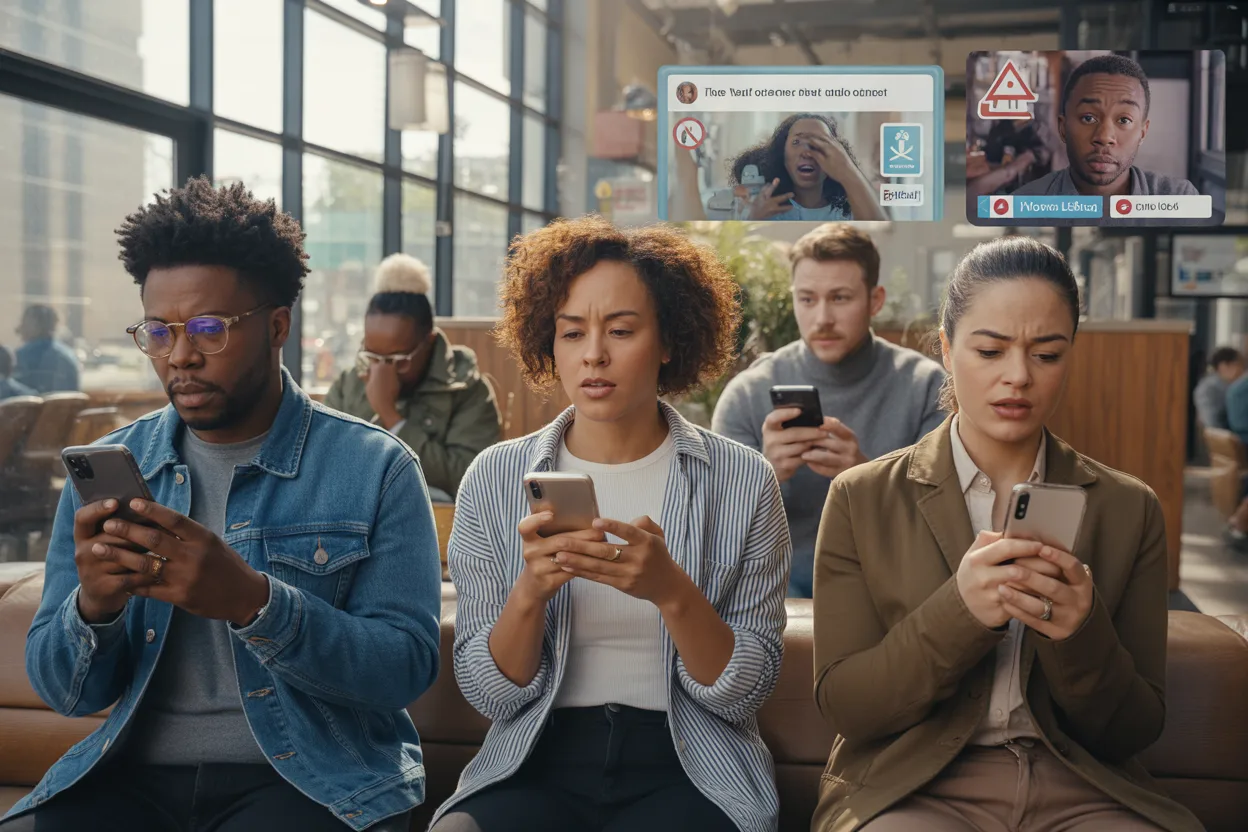
Social media scams 2026 are more dangerous than ever because scammers now use artificial intelligence, deepfake videos, and emotional manipulation to steal money and personal information. Fraud on platforms like Facebook, Instagram, and TikTok is growing fast, and many scams look almost identical to real messages, stores, and influencer accounts.
In this guide, you will learn the biggest social media scams, warning signs to watch for, and practical steps to protect your accounts, identity, and finances.
Key Takeaways
- AI-generated deepfakes are making impersonation scams harder to detect.
- Romance scams online often lead victims into fake cryptocurrency investments.
- Facebook Marketplace scams and TikTok shopping scams continue to rise.
- Scam messages on Instagram frequently use fake giveaways or account warnings.
- Multi-factor authentication (2FA) is one of the best defenses against hacked accounts.
- The FTC reports that social media is now a major source of fraud-related losses.
- Verifying suspicious messages directly can prevent most online scams on social media.
What Are Social Media Scams 2026?
Social media scams 2026 refer to fraudulent schemes that use platforms like Facebook, Instagram, TikTok, Snapchat, and X to trick users into sending money, revealing passwords, or sharing personal information.
These scams have evolved quickly because scammers now use AI tools to create realistic fake identities, cloned voices, and believable videos. Many victims cannot easily tell the difference between a real account and a fake one.
How Modern Scammers Operate
Most scammers rely on three tactics:
- Emotional pressure
- Urgency
- Trust manipulation
For example, a scammer may pretend to be a family member needing emergency money. Others pose as influencers, romantic partners, or investment experts.
Why Social Media Platforms Are Prime Targets
Social media gives scammers direct access to millions of people. Public profiles also reveal personal details that criminals use to create convincing fake stories.
According to the Federal Trade Commission (FTC), social media-related fraud losses have reached billions of dollars in recent years, with investment scams and romance fraud leading the losses.
Why Do Social Media Scams Matter More in 2026?
The latest social media scams are no longer easy to spot. AI-generated content allows criminals to create highly believable fake profiles, websites, and videos within minutes.
The Rise of Deepfake Impersonation
Deepfake impersonation scams are one of the fastest-growing social media fraud trends. Criminals can clone a person’s face or voice from short online videos and use that content to demand money or sensitive information.
Victims often receive:
- Fake emergency calls
- AI-generated video messages
- Requests for wire transfers
- Fraudulent charity appeals
Financial Losses Are Increasing
The FTC scam statistics show that investment scams and social media fraud continue to produce massive losses for consumers. Younger adults are also becoming more frequent targets because they spend more time online and use digital payment platforms regularly.
Trust Is Easier to Exploit Online
Scammers use fake comments, likes, and followers to appear credible. Many fake influencer scams use professional-looking profiles that mimic real creators and brands.
How Can You Protect Yourself From Social Media Scams 2026?
Protecting yourself starts with slowing down before clicking links, sending money, or sharing information.
Verify Every Urgent Request
Never trust financial requests sent through social media alone. Call the person directly using a trusted phone number.
This simple step can stop:
- Romance scams online
- Impersonation scams
- Cryptocurrency social media scams
- Fake emergency requests
Enable Multi-Factor Authentication
2FA adds another security layer to your accounts. Even if scammers steal your password, they still need the second verification step.
Use:
- Authentication apps
- Security keys
- Device-based verification
Avoid relying only on SMS verification whenever possible.
Watch for Fake Profiles
Fake accounts often show:
- Recently created pages
- Low engagement
- Stolen photos
- Strange usernames
- Generic comments
Examine profiles carefully before interacting.
Avoid Clicking Unknown Links
Phishing scams on social media frequently use fake login pages. These links may arrive through:
- Direct messages
- Fake ads
- Giveaway posts
- Marketplace listings
Always type official website addresses directly into your browser.
What Are the Biggest Social Media Scams in 2026?
Some scams appear repeatedly because they continue to work.
Romance Baiting and “Pig Butchering”
Romance scammers build emotional relationships over weeks or months. Eventually, they encourage victims to invest in fake cryptocurrency platforms.
This scam often includes:
- Constant texting
- Fast emotional attachment
- Investment advice
- Pressure to deposit more funds
Once the victim sends money, the platform disappears.
Fake Giveaway Scams
Fake giveaway scams promise expensive products, cash prizes, or travel rewards. Victims are asked to:
- Pay “shipping fees”
- Enter credit card details
- Share passwords
- Click malicious links
These scams are common on Instagram and TikTok.
Hacked Account Scams
Scammers hijack real profiles and message friends asking for help. Because the request appears to come from someone familiar, victims are more likely to trust it.
AI-Generated Fake Stores
Facebook scams 2026 and Instagram scams 2026 increasingly involve fake online shops promoted through targeted ads.
These stores often:
- Use stolen product photos
- Offer unrealistic discounts
- Disappear after payment
- Collect credit card information
TikTok Shopping Scams
TikTok shopping scams often involve counterfeit products, fake livestream sellers, or phishing links disguised as shopping deals.
Young users are especially vulnerable because shopping content blends naturally into entertainment videos.
Which Platforms Have the Highest Scam Activity?
Different scams dominate different platforms.
| Platform | Common Scam Types | Main Risk |
|---|---|---|
| Marketplace scams, fake charities, hacked accounts | Financial theft | |
| Fake influencers, giveaway scams, fake stores | Identity theft | |
| TikTok | Shopping scams, phishing links, fake creators | Payment fraud |
| Deepfake voice scams, impersonation | Emergency money scams | |
| X (Twitter) | Crypto investment scams | Financial fraud |
Facebook Marketplace Scams
Facebook Marketplace scams often involve fake sellers or buyers. Common tactics include:
- Fake shipping confirmations
- Overpayment scams
- Requests for deposits
- Fake payment screenshots
Always meet locally when possible and avoid unusual payment methods.
Scam Messages on Instagram
Scam messages on Instagram frequently pretend to be:
- Brand sponsorships
- Verification warnings
- Prize notifications
- Friend requests from cloned accounts
Never share login codes through direct messages.
What Mistakes Should You Avoid Online?
Even experienced users can fall for sophisticated scams.
Trusting Emotional Stories Too Quickly
Scammers use fear, romance, urgency, and sympathy to override logical thinking.
Pause before responding to:
- Emergency requests
- Sudden investment opportunities
- Emotional relationship messages
Ignoring Security Updates
Outdated apps and weak passwords make accounts easier to hack.
Best practices include:
- Updating apps regularly
- Using password managers
- Creating unique passwords
- Reviewing account login activity
Believing Unrealistic Deals
If a product price seems impossible, it probably is. AI-generated storefronts now look professional and convincing.
Research unfamiliar sellers before purchasing.
How Will Social Media Fraud Trends Change in the Future?
Social media fraud trends will likely become even more personalized because AI tools continue improving.
AI Will Make Scams More Convincing
Future scams may include:
- Real-time voice cloning
- Personalized video messages
- AI-generated customer support chats
- Automated scam bots
This means verification will become more important than ever.
Platforms Will Increase Security Tools
Social media companies are investing more in:
- Identity verification
- Fraud detection systems
- Scam reporting tools
- AI moderation systems
However, scammers often adapt quickly to new protections.
Public Awareness Is Improving
More users now recognize warning signs thanks to FTC education campaigns and community scam trackers. Reporting suspicious activity also helps platforms identify scam networks faster.
Conclusion: What Should You Do Next?
Social media scams 2026 are evolving rapidly, especially with the rise of AI-generated fraud, fake stores, and deepfake impersonation. Scammers target emotions, trust, and urgency to steal money and personal information across every major platform.
The best defense is caution. Verify requests directly, use strong account security, avoid suspicious links, and stay informed about the latest scam tactics. A few extra minutes of verification can prevent major financial and emotional losses.
FAQs
How do I know if a social media account is fake?
Fake accounts often have very few real interactions, recently created profiles, stolen photos, and suspicious usernames. Always verify before trusting requests or links.
What are the most common Facebook scams 2026 users face?
Facebook Marketplace scams, hacked account scams, fake charity drives, and phishing links are among the biggest threats on Facebook in 2026.
Are TikTok shopping scams increasing?
Yes. TikTok shopping scams are growing as scammers create fake storefronts, counterfeit product listings, and fraudulent livestream sales.
What should I do if I receive scam messages on Instagram?
Do not click links or share personal details. Report the message, block the account, and verify directly with the real person or brand if needed.
Why are cryptocurrency social media scams so effective?
These scams often combine emotional manipulation, fake investment dashboards, and promises of quick profits, making them appear legitimate to inexperienced investors.
This article is part of our Avoid This Scam series, published by AskTheMoneyCoach.com to help you spot and avoid financial fraud.

Avoid This Scam™ is the consumer protection and scam awareness desk of AskTheMoneyCoach.com. We help readers recognize, avoid, and respond to financial scams, fraud, identity theft, deceptive business practices, and online threats.
Our coverage includes scam alerts, fraud prevention strategies, consumer advocacy, practical safety guides, and expert analysis designed to help individuals and families protect their money, personal information, and financial well-being. We also explain what to do if you’ve already been targeted, because knowing how to respond can be just as important as avoiding a scam in the first place.