
What To Do Immediately If You’ve Been Scammed
If you have recently realized you were scammed, I want you to take a deep breath. You are likely feeling a mix of anger, embarrassment, and sheer panic. I have been in the financial world for a long time, and I can tell you one thing for certain: you are not alone. Every year, millions […]
What To Do Immediately If You’ve Been Scammed
If you have recently realized you were scammed, I want you to take a deep breath. You are likely feeling a mix of anger, embarrassment, and sheer panic. I have been in the financial world for a long time, and I can tell you one thing for certain: you are not alone. Every year, millions […]
Disaster-Relief Donation Scams and How to Give Safely

When hurricanes, floods, wildfires, earthquakes, or other disasters strike, many people want to help quickly. Unfortunately, scammers understand that generosity creates an opportunity. They may create fake charities, imitate familiar organizations, copy legitimate websites, or circulate emotional donation appeals through social media. Their goal is simple: divert money intended for people in need. The good […]
Zombie Credit Cards and the Expired Card Loophole
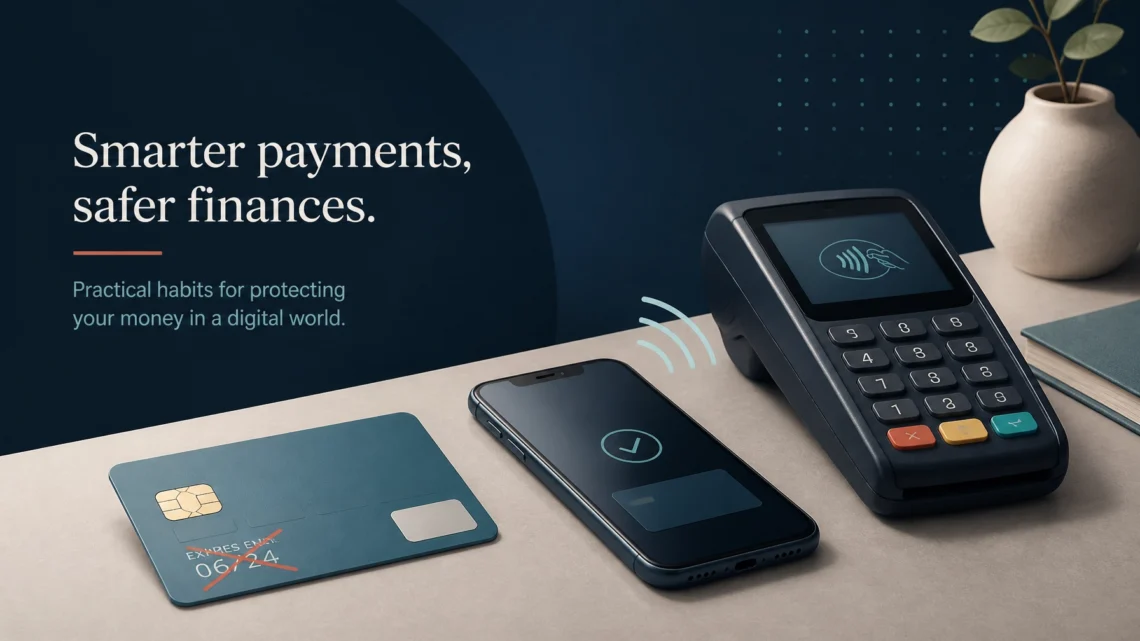
You probably assume an expired credit card is dead. The date printed on the plastic has passed, a replacement card has arrived, and the old card seems useful only for the trash. That assumption may not always be safe. Researchers from the University of Massachusetts Amherst discovered a payment-system loophole that can allow certain expired […]
Avoid This Scam: The ‘Suckers List’ Trap Targeting Previously Defrauded Individuals

Being scammed once does not make you careless. It can make you a more attractive target for the next scam. Fraudsters buy and exchange information about people who have already lost money, including names, phone numbers, addresses, the type of scam involved, and sometimes the amount lost. These databases are often called “suckers lists.” The […]
How to Verify a Government Contact Safely (Without Getting Scammed)

If you need to verify government contact, it’s important to know that scammers often impersonate agencies like the IRS, SSA, and Medicare using fake emails, phone calls, and urgent warnings. These fake government emails and calls are designed to pressure you into sharing personal information or making immediate payments. In this guide, you’ll learn how […]
What Is an Imposter Scam? Why It’s the #1 Reported Fraud (FTC Data Explained)

What Is an Imposter Scam? It is a type of fraud where criminals pretend to be someone you trust to steal money, personal information, or account access. These scams often involve fake government agents, banks, businesses, or even family members. In this guide, you’ll learn how imposter scams work, the warning signs to watch for, […]
What Are Imposter Scams? Why the FTC Says They’re the #1 Fraud in 2025–2026

Imposter Scams are one of the most common forms of fraud today, costing victims billions each year. These scams happen when criminals pretend to be trusted people or organizations to steal money or personal information. In this guide, you’ll learn how imposter scams work, common warning signs, real-world examples, and practical steps to protect yourself […]
How to verify legitimacy of online side gigs before giving personal info
In the fast-growing gig economy of 2025, countless online side gigs promise easy income, flexible hours, and work-from-home convenience. However, not all opportunities are legitimate. Scammers often exploit eager freelancers and remote workers by requesting personal or financial information under false pretenses. Before you share sensitive details like your Social Security number, bank account, or […]