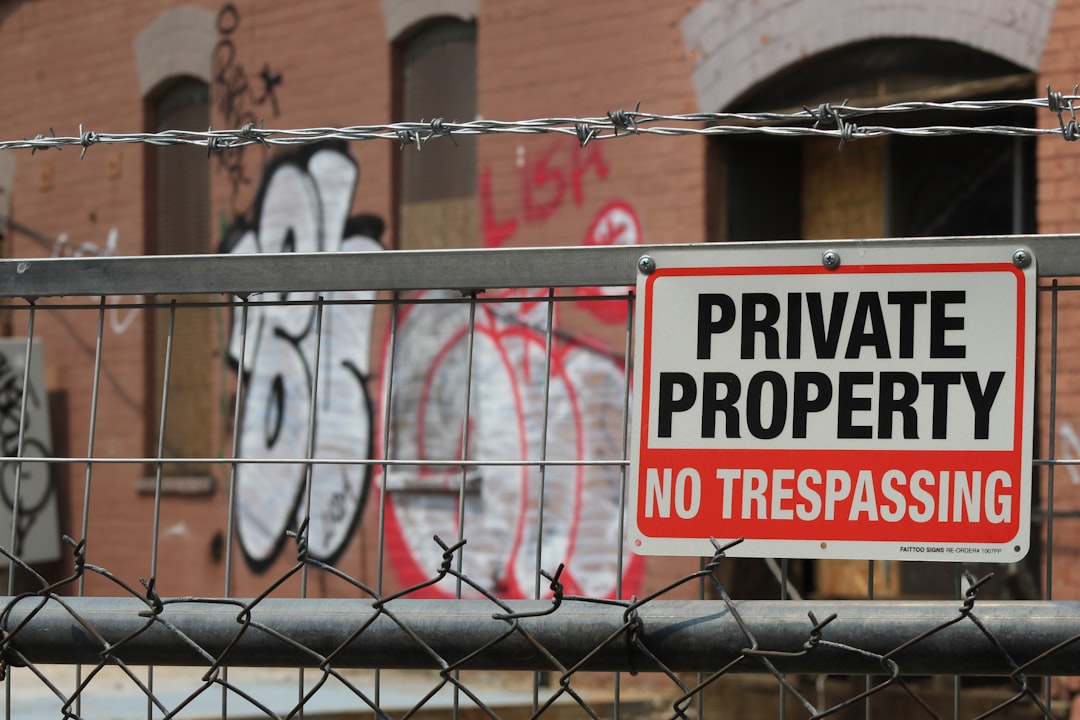
Tenant security deposits are a crucial aspect of the rental process, serving as a financial safeguard for landlords while providing tenants with a sense of security. Essentially, a security deposit is a sum of money that tenants pay upfront, typically before moving into a rental property. This deposit is held by the landlord to cover potential damages or unpaid rent during the lease term.
The amount can vary widely, often ranging from one month’s rent to as much as three months’ rent, depending on local laws and the specific rental agreement. Understanding the purpose of a security deposit is vital for both landlords and tenants. For landlords, it acts as a buffer against financial loss due to tenant negligence or property damage.
For tenants, it represents a commitment to maintaining the property and fulfilling the terms of the lease. However, it’s essential to recognize that this deposit is not an additional fee; rather, it is refundable, provided the property is returned in good condition and all lease obligations are met. This mutual understanding can help foster a positive landlord-tenant relationship.
Key Takeaways
- Tenant security deposits are funds paid by tenants to landlords to cover any damages or unpaid rent at the end of the lease.
- Rules and regulations for tenant security deposits vary by state and may include limits on the amount that can be charged and requirements for returning the deposit.
- Both landlords and tenants should use a checklist to document the condition of the rental property before and after the lease to avoid disputes over the security deposit.
- Disputes over security deposits can be resolved through negotiation, mediation, or small claims court, depending on the amount in question.
- Documentation, including photos and written descriptions of the property’s condition, is crucial for both landlords and tenants to protect their rights and interests regarding security deposits.
Rules and Regulations for Tenant Security Deposits
The rules governing tenant security deposits can vary significantly from one jurisdiction to another, making it essential for both landlords and tenants to familiarize themselves with local laws. Many states have specific regulations regarding how much can be charged as a security deposit, how it must be held, and the timeline for its return after the lease ends. For instance, some states require landlords to place security deposits in an interest-bearing account, ensuring that tenants receive interest on their deposits when they are returned.
Additionally, there are often strict guidelines about how and when landlords can deduct from the security deposit. Commonly accepted reasons for deductions include unpaid rent, cleaning costs, and repairs for damages beyond normal wear and tear. However, landlords must provide an itemized list of any deductions made from the deposit, along with any remaining balance returned to the tenant.
Understanding these regulations helps both parties navigate the complexities of security deposits and ensures compliance with the law.
Checklist for Landlords and Tenants

Creating a checklist can be an invaluable tool for both landlords and tenants when it comes to managing security deposits effectively. For landlords, the checklist should include steps such as clearly outlining the security deposit amount in the lease agreement, detailing how it will be held, and specifying the conditions under which deductions may occur. Additionally, conducting a thorough move-in inspection with the tenant can help document the property’s condition before occupancy.
For tenants, their checklist should focus on understanding their rights regarding the security deposit. This includes knowing how much they are required to pay, what conditions must be met for a full refund, and the timeline for receiving their deposit back after moving out. It’s also wise for tenants to take photos of the property upon moving in and out to provide evidence of its condition.
By following these checklists, both parties can minimize misunderstandings and disputes related to security deposits.
Disputes and Resolutions
Disputes over security deposits are not uncommon and can arise for various reasons, such as disagreements over damage assessments or delays in returning the deposit. When conflicts occur, it’s essential for both landlords and tenants to approach the situation calmly and professionally. Open communication is key; discussing concerns directly can often lead to a resolution without escalating the issue further.
If direct communication fails to resolve the dispute, there are several avenues available for resolution. Many jurisdictions offer mediation services that can help facilitate discussions between landlords and tenants. Additionally, small claims court is an option for tenants seeking to recover their security deposits if they believe they have been wrongfully withheld.
Understanding these options empowers both parties to seek fair resolutions while minimizing stress and potential legal complications.
Importance of Documentation
Documentation plays a pivotal role in managing security deposits effectively. For landlords, maintaining accurate records of all transactions related to the security deposit is essential. This includes receipts for any repairs made using the deposit funds, as well as documentation of communications with tenants regarding the deposit.
Such records not only protect landlords in case of disputes but also demonstrate transparency in their dealings. For tenants, keeping thorough documentation is equally important. This includes retaining copies of the lease agreement, any correspondence with the landlord regarding the security deposit, and photographic evidence of the property’s condition at both move-in and move-out stages.
Having this documentation readily available can significantly strengthen a tenant’s case if disputes arise over the return of their deposit. Ultimately, both parties benefit from clear records that outline expectations and agreements related to security deposits.
Legal Rights and Responsibilities

Understanding legal rights and responsibilities surrounding security deposits is crucial for both landlords and tenants. Landlords have the right to collect a security deposit as a form of financial protection against potential losses caused by tenants. However, they also have responsibilities, such as ensuring that the deposit is held in accordance with local laws and returning it within a specified timeframe after the lease ends.
Tenants also have rights regarding their security deposits. They are entitled to receive clear information about how much they are paying, where it is being held, and under what circumstances deductions may occur. Additionally, tenants have the right to receive their full deposit back if they meet all lease obligations and leave the property in good condition.
Familiarizing themselves with these rights helps both parties navigate their responsibilities more effectively and fosters a fair rental experience.
Tips for Protecting Your Security Deposit
Both landlords and tenants can take proactive steps to protect security deposits throughout the rental process. For landlords, conducting regular property inspections can help identify maintenance issues before they escalate into costly repairs that might affect a tenant’s deposit. Additionally, providing clear guidelines on what constitutes normal wear and tear versus damage can help set expectations upfront.
Tenants can also take measures to safeguard their security deposits by treating the rental property with care and respect. Documenting any pre-existing damages during move-in can prevent misunderstandings later on. Furthermore, maintaining open lines of communication with landlords regarding any issues that arise during tenancy can help address concerns before they become significant problems that could impact the return of their deposit.
Common Misconceptions about Security Deposits
There are several misconceptions surrounding tenant security deposits that can lead to confusion for both landlords and tenants. One common myth is that landlords can keep a tenant’s entire deposit for any reason at all; however, this is not true. Landlords must adhere to specific legal guidelines regarding deductions and must provide an itemized list of any charges taken from the deposit.
Another misconception is that tenants believe they are entitled to receive their full deposit back regardless of property condition or unpaid rent. While tenants do have rights regarding their deposits, they must also fulfill their lease obligations to ensure a full refund. By dispelling these myths and fostering open communication about expectations related to security deposits, both parties can work together more effectively throughout the rental process.
Conclusion
In conclusion, understanding tenant security deposits is essential for fostering positive relationships between landlords and tenants. By familiarizing themselves with rules and regulations, utilizing checklists, documenting interactions, and addressing disputes proactively, both parties can navigate this aspect of renting with confidence and clarity. Ultimately, clear communication and mutual respect are key components in ensuring that security deposits serve their intended purpose without leading to unnecessary conflict or misunderstanding.
FAQs:
What can landlords legally deduct from a tenant’s security deposit?
Landlords can deduct for unpaid rent, cleaning beyond normal wear and tear, and repairs for tenant-caused damages.
How long does a landlord have to return a security deposit?
Depending on state law, landlords typically have 14 to 30 days after the lease ends to return the deposit and provide an itemized statement.
Can tenants request proof of deductions from their security deposit?
Yes, tenants are entitled to an itemized list of deductions, along with receipts or invoices for repairs.
What happens if a landlord wrongfully withholds a deposit?
Tenants can file a complaint with local housing authorities or take the case to small claims court.
How can tenants maximize their chances of getting their deposit back?
Tenants should document property condition, pay rent on time, communicate maintenance issues, and return the unit clean and undamaged.