What Are Tokenized Real-World Assets and How Do They Work?
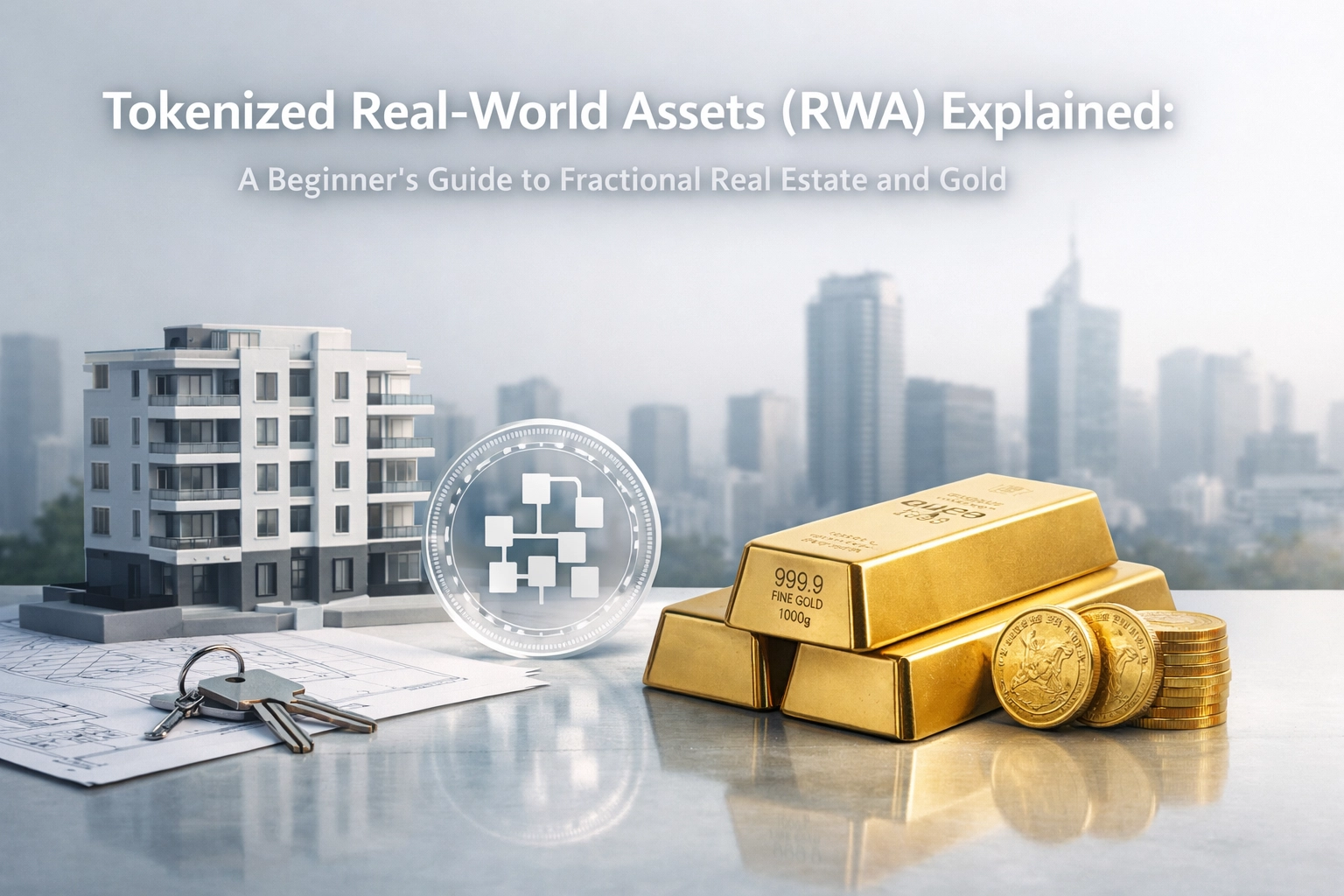
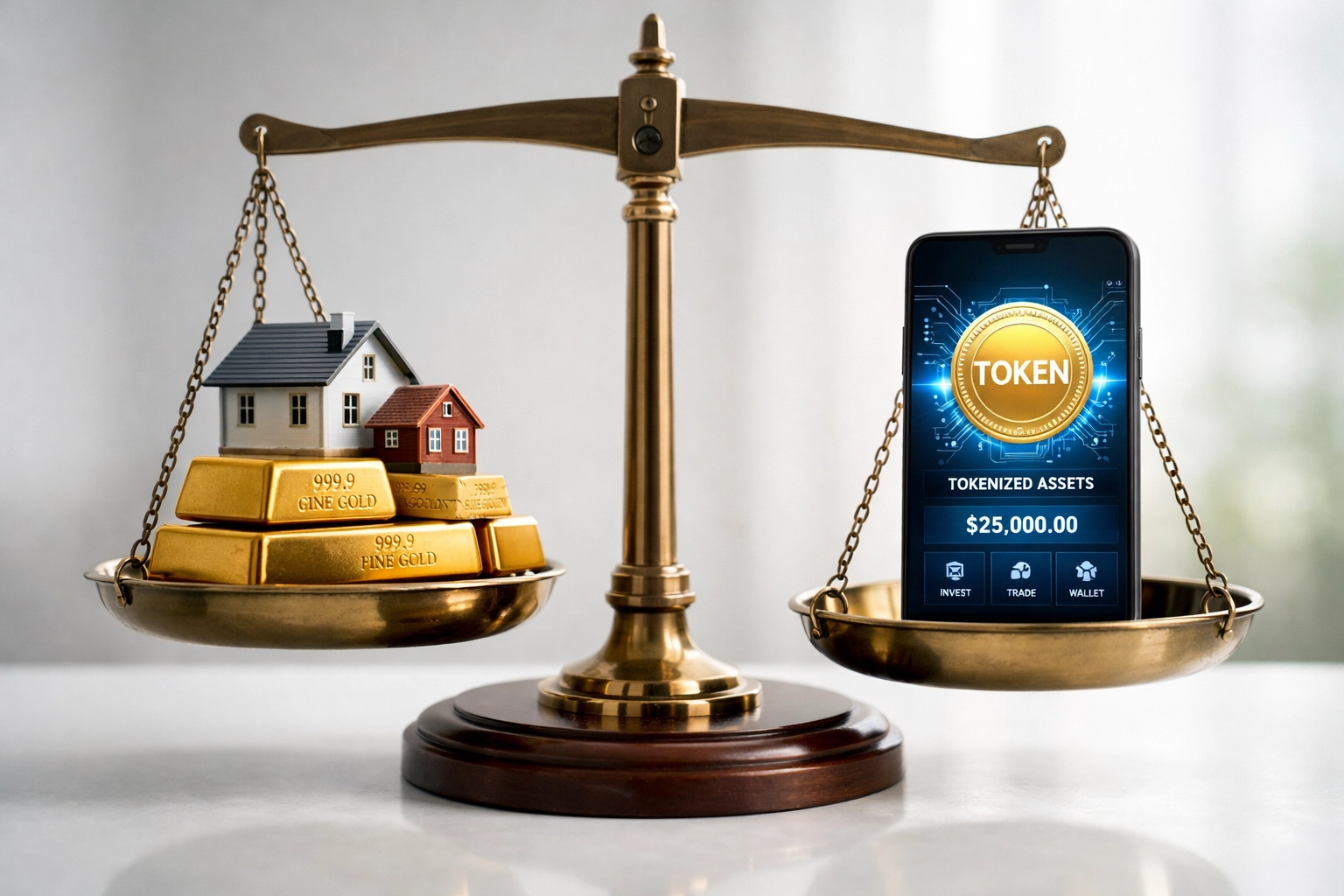
Tokenized real-world assets (RWAs) are blockchain-based digital tokens that represent fractional or full ownership in physical assets like real estate, gold, bonds, and commodities. Instead of buying an entire property or a 400-ounce gold bar, you can own a fraction of it by purchasing tokens, similar to buying shares of stock, giving you exposure to high-value assets with far less capital.
Why This Matters for Your Wallet
I know what you’re thinking: “Another crypto thing? Really?” But hear me out. This isn’t about speculative meme coins or the next Bitcoin. RWAs represent a fundamental shift in how regular people can access wealth-building assets that have historically been locked behind six-figure minimums.
Remember when real estate investment was only for people who could write a $50,000 check? Or when owning physical gold meant renting a safe deposit box and worrying about storage costs? Tokenization removes those barriers, and whether you’re skeptical of blockchain or not, the financial implications are worth understanding.
How RWA Tokenization Actually Works
Let me break down the process without drowning you in technical jargon. Three main steps turn a physical asset into a tradable digital token:
Off-Chain Formalization comes first. The asset’s value gets confirmed through professional appraisal, legal ownership is verified and registered, and clear documentation connects the physical asset to its future digital representation. A custodian holds the physical asset, and a legal wrapper, usually a trust or special purpose vehicle, creates a compliant bridge between the real-world asset and its blockchain token.
Information Bridging happens next. Data about the asset’s value, ownership rights, and legal status gets converted into digital metadata that the blockchain can read. A blockchain oracle (think of it as a trusted messenger) feeds this real-world information onto the blockchain network.
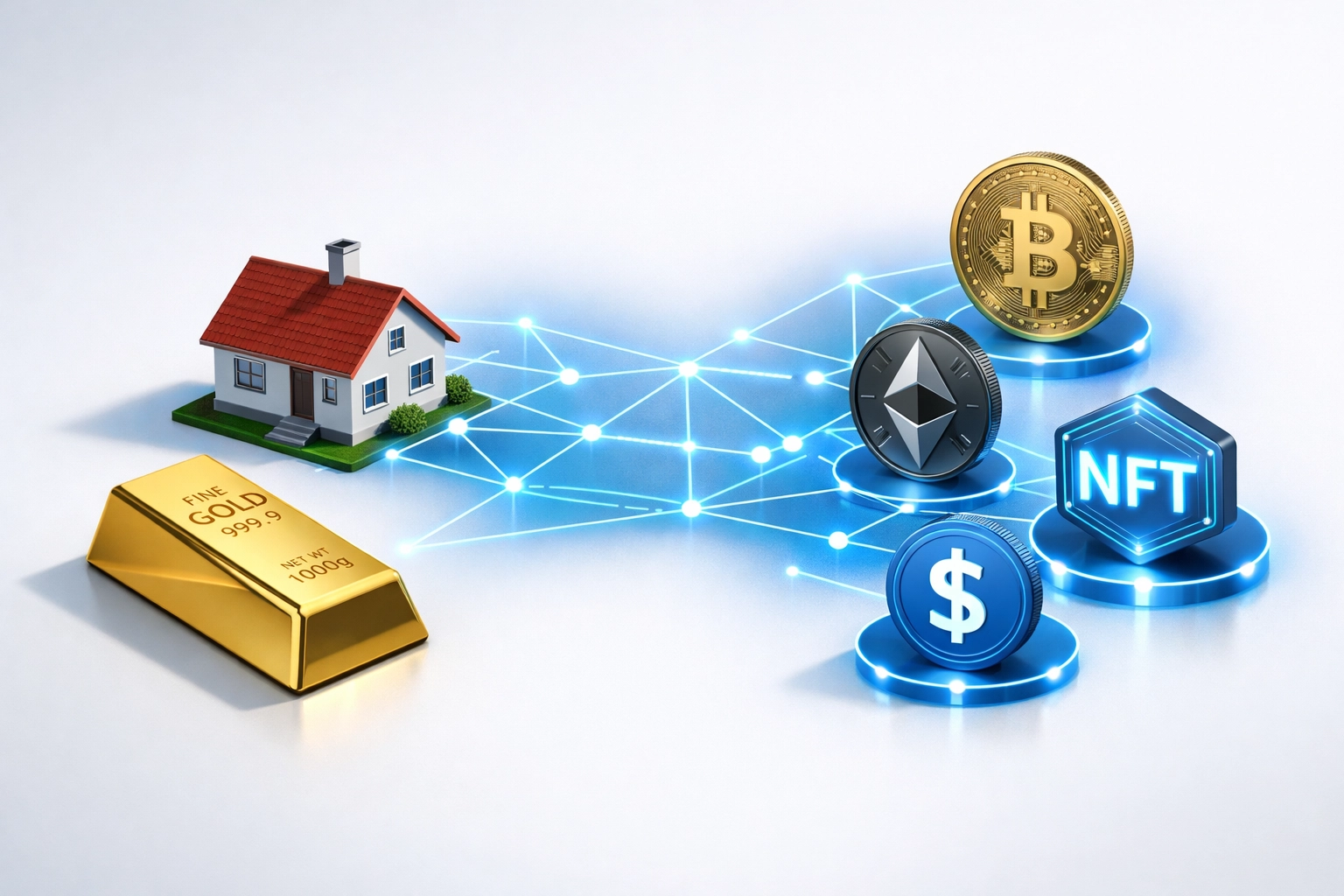
Token Creation and Recording finalizes the process. A smart contract generates digital tokens representing fractional or full ownership, and this ownership record gets written permanently onto the blockchain. Once minted, these tokens can be traded, transferred, or held just like any other digital asset.
The Four Big Benefits (And Why They Matter to You)
Liquidity You’ve Never Had Before
Traditional real estate investments lock up your capital for years. You can’t sell half your rental property when you need cash for an emergency. But tokenized real estate? You can sell 20% of your holdings on a secondary market at 3 a.m. on a Sunday if you need to. That’s the power of 24/7 global markets.
Fractional Ownership That Actually Makes Sense
Let’s get specific. Say there’s a $500,000 rental property generating steady income. In the traditional world, you’d need $100,000–$125,000 for a down payment. With tokenization, that same property might be divided into 10,000 tokens at $50 each. You could invest $500, own 10 tokens, and receive proportional rental income. Suddenly, premium real estate isn’t just for the wealthy.
Speed and Efficiency That Saves You Money
Traditional real estate transactions take 30–60 days and involve lawyers, title companies, escrow agents, and a mountain of paperwork. Tokenized transactions settle in minutes or hours. That’s not just convenient, it’s cheaper. Less administrative overhead means lower fees, and those savings go back into your pocket.
Transparency You Can Verify Yourself
Every transaction, ownership transfer, and rental payment gets recorded on the blockchain permanently. You don’t have to trust a property manager’s word about how much rent was collected. You can verify it yourself. That immutable record provides accountability that traditional real estate simply can’t match.
Real-World Examples You Can Research Today
Fractional Real Estate: RealT
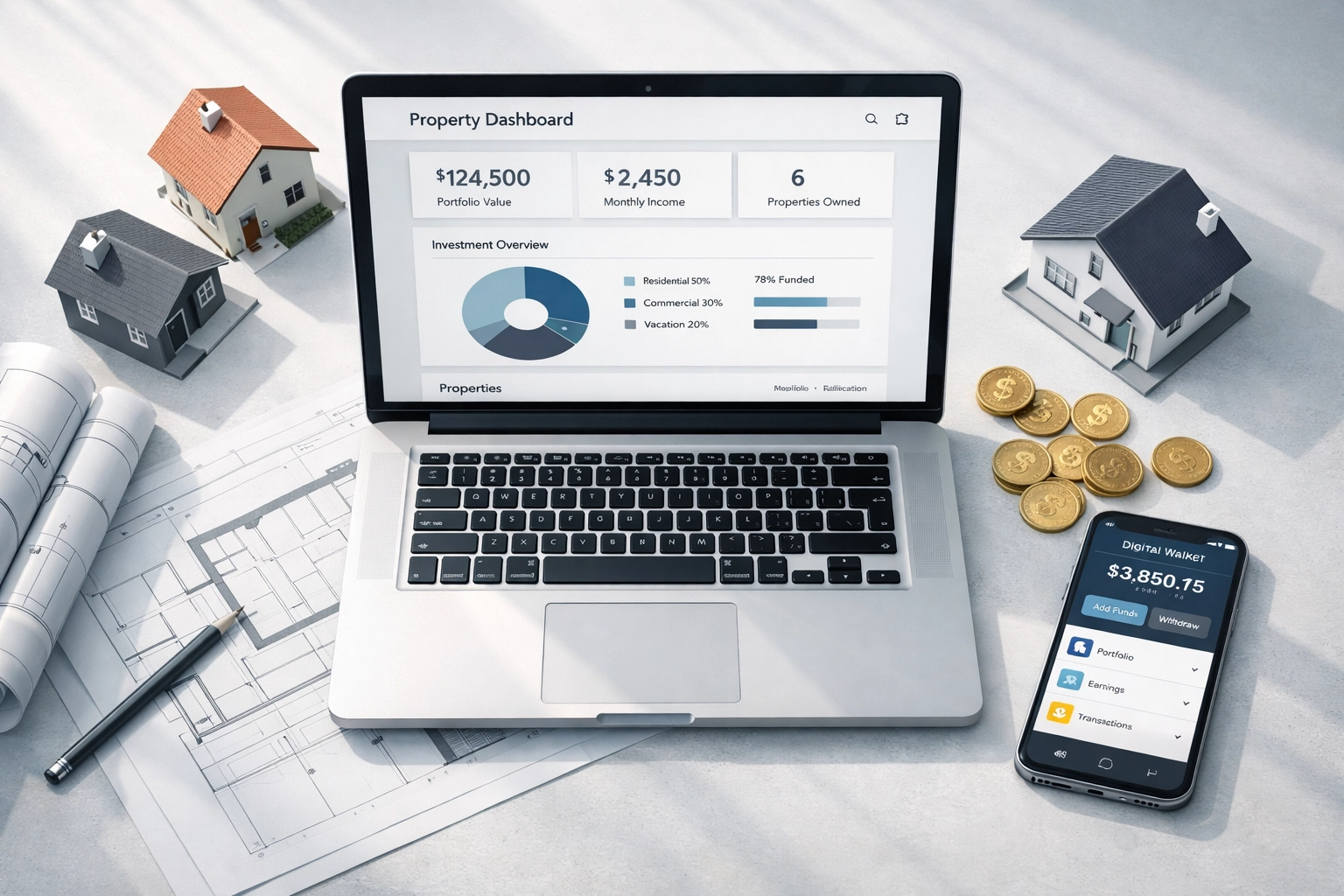
RealT has tokenized over 970 properties as of early 2026, allowing minimum investments as low as $50. Here’s how it works in practice: if you own tokens representing 1% of a property generating €50,000 annually in rental income, you receive €500 per year, distributed automatically to your wallet on a daily basis via the blockchain. No chasing tenants for rent checks, no property management headaches.
Precious Metals: PAX Gold
Each PAX Gold token equals one troy ounce of London Bullion Market Association (LBMA) accredited gold stored in secure vaults. You own real gold without physical possession, storage concerns, or the markup you’d pay at a local coin shop. Want to own $200 worth of gold? Buy a fraction of a token. That’s it.
The Risks You Need to Understand (Because They’re Real)
Let me be clear: tokenized assets aren’t risk-free, and anyone who tells you otherwise is selling something.
Counterparty Risk sits at the top of the list. You’re trusting that the company tokenizing the asset actually owns what they claim to own, that the legal structure is sound, and that they’re not running a sophisticated fraud. If the platform goes bankrupt or turns out to be fraudulent, your tokens could become worthless regardless of the underlying asset’s value.
Custody and Storage Risk applies particularly to physical assets like gold. Who’s holding the gold backing your tokens? What happens if that vault gets robbed? What insurance exists? These aren’t hypothetical concerns, they’re questions you need answered before investing.
Regulatory Uncertainty remains a significant wildcard. Tokens representing securities fall under SEC jurisdiction, while commodity-backed tokens face CFTC oversight. But regulations are evolving, and what’s legal today might face new restrictions tomorrow. You could find yourself in a legal gray area through no fault of your own.
Liquidity Risk Paradox might surprise you. Yes, tokenization increases liquidity compared to owning physical assets directly. But that doesn’t guarantee you’ll find a buyer when you want to sell. Secondary markets for tokenized assets are still developing, and you might face significant bid-ask spreads or low trading volume.
How to Evaluate RWA Platforms Before You Invest
I’ve seen too many people jump into new financial products without doing basic due diligence. Don’t be that person. Here’s your evaluation checklist:
Legal Structure and Compliance: Does the platform operate under clear regulatory frameworks? Are the tokens registered as securities if required? Can you review the legal documents connecting the token to the underlying asset?
Asset Custody: Who physically holds the asset? Are they a licensed custodian with insurance? Can you verify the asset’s existence through third-party audits?
Track Record: How long has the platform operated? What’s their history of payouts, if applicable? Can you find independent reviews from users who aren’t affiliated with the company?
Fee Structure: What does it cost to buy tokens? What about selling? Are there ongoing management fees? How do these costs compare to traditional ownership methods?
Secondary Market Liquidity: Is there an active market for selling your tokens? What’s the typical spread between buy and sell prices? How many tokens trade daily?
The Fee Reality Check
Let’s talk money. Platform fees typically include:
- Purchase fees: 0.5%–2% per transaction
- Management fees: 0.5%–1.5% annually
- Selling fees: 0.5%–2% per transaction
- Blockchain network fees: Variable based on network congestion
Compare these costs to traditional alternatives. Buying physical gold from a dealer might include a 3%–5% markup over spot price, plus storage costs. Real estate transactions involve 5%–6% in agent commissions, title insurance, and closing costs. In many cases, tokenized versions are cheaper, but not always.
Tax Implications You Can’t Ignore
Here’s where things get messy, and I recognize most folks dread this part. The IRS hasn’t provided crystal-clear guidance on tokenized assets, but here’s the current understanding:
Capital gains taxes apply when you sell tokens for profit. If you hold for less than a year, you pay ordinary income tax rates. Hold longer than a year, and you qualify for long-term capital gains rates (typically lower).
Rental income from tokenized real estate is treated as regular income, reported on Schedule E of your tax return. You’ll receive documentation from the platform, but verify its accuracy.
Commodity tokens like gold may face special rules. Some investors use Section 1031 exchanges for real estate or take advantage of collectibles tax treatment for precious metals. Consult a tax professional familiar with digital assets before making assumptions.
Should You Actually Do This?
That depends entirely on your financial situation and risk tolerance. If you’re looking to diversify beyond stocks and bonds, have emergency savings already established, and can afford to lose what you invest without impacting your lifestyle, tokenized RWAs offer genuine diversification potential.
But if you’re looking for guaranteed returns or treating this as a get-rich-quick scheme, walk away. These are real investments in real assets with real risks. The blockchain wrapper doesn’t change fundamental investment principles.
Start small if you’re curious. Invest $100–$500 in a single tokenized asset to understand the process, experience the custody model, and evaluate whether the platform delivers on its promises. Treat it as tuition for a financial education, not as your retirement strategy.
Frequently Asked Questions
Do I own the physical asset when buying RWA tokens?
You own a legal claim to fractional ownership defined by the platform’s legal structure. The physical asset is held by a custodian.
Can tokenized assets be used as loan collateral?
Some DeFi platforms accept RWA tokens as collateral, but liquidation risks apply if asset values drop.
What happens if the platform shuts down?
Blockchain records persist, but enforcement depends on legal documentation and custodial agreements. Review these carefully before investing.
Are tokenized real estate assets securities?
In many jurisdictions, yes. Real estate tokens representing profit-sharing typically qualify as securities and must comply with regulations.
What is the minimum investment?
Minimums vary. Some platforms allow investments as low as $50, while others require $1,000 or more. Tokenized gold can often be purchased in fractional amounts starting under $100.