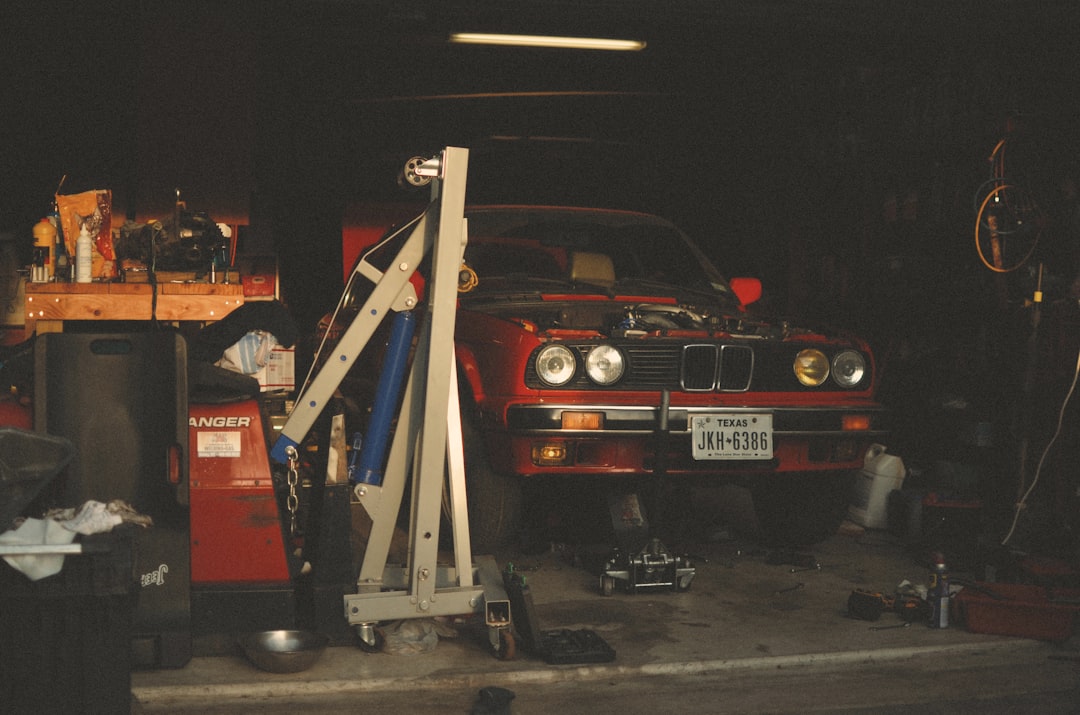
When considering the purchase of a used car, a thorough inspection is paramount. A used car inspection can save you from unexpected repairs and financial burdens down the line. It provides peace of mind, ensuring that the vehicle you are about to invest in is not only roadworthy but also free from hidden issues that could lead to costly repairs.
By conducting a comprehensive inspection, you can make an informed decision, potentially avoiding a regrettable purchase. Moreover, understanding the importance of a used car inspection goes beyond just checking for visible flaws. It encompasses evaluating the vehicle’s overall condition, including its mechanical integrity and safety features.
A detailed inspection can reveal underlying problems that may not be immediately apparent, such as frame damage or engine issues. This proactive approach not only protects your investment but also enhances your safety on the road, making it an essential step in the car-buying process.
Key Takeaways
- A used car inspection is crucial to ensure the vehicle’s condition and avoid potential issues in the future.
- Exterior inspection checklist includes checking for dents, scratches, and rust to assess the overall condition of the car’s exterior.
- Interior inspection checklist involves examining the upholstery, dashboard, and electronics to ensure they are in good condition.
- Mechanical inspection checklist covers the engine, transmission, brakes, and suspension to ensure the car’s mechanical components are in good working order.
- Test drive checklist involves testing the car’s performance, handling, and comfort to ensure it meets your expectations and needs.
Exterior Inspection Checklist
The exterior of a used car is the first thing you notice, and it can provide valuable insights into the vehicle’s history and condition. Start by examining the body for any signs of rust, dents, or scratches. Look closely at the paint job; mismatched colors or uneven surfaces may indicate previous repairs or accidents.
Pay attention to the gaps between body panels; inconsistent spacing can suggest frame damage or poor-quality repairs. Next, inspect the tires for tread wear and overall condition. Uneven wear patterns can signal alignment issues or suspension problems.
Check the headlights and taillights to ensure they are functioning properly and free from cracks. Don’t forget to examine the windshield for chips or cracks, as these can compromise visibility and safety. A thorough exterior inspection not only helps you assess the car’s aesthetic appeal but also uncovers potential mechanical issues that could affect performance.
Interior Inspection Checklist

Once you’ve assessed the exterior, it’s time to turn your attention to the interior of the vehicle. Start by checking the upholstery for any signs of wear and tear, such as stains, rips, or fading. Ensure that all seat adjustments work smoothly and that seatbelts are functional and in good condition.
A clean and well-maintained interior often reflects how the previous owner treated the vehicle. Next, test all electronic components, including the radio, air conditioning, and power windows. Make sure that dashboard warning lights illuminate when starting the car and turn off once the engine is running.
Additionally, check for any unusual odors inside the cabin, as these could indicate issues like mold or leaks. A thorough interior inspection not only enhances your comfort but also ensures that all essential features are operational before making a purchase.
Mechanical Inspection Checklist
The mechanical condition of a used car is perhaps the most critical aspect to evaluate before buying. Begin by checking under the hood for any signs of leaks or corrosion around the battery terminals. Inspect fluid levels, including oil, coolant, brake fluid, and transmission fluid; low levels may indicate neglect or potential issues.
Look for any unusual noises when starting the engine, as these could signal underlying problems. Next, examine the belts and hoses for signs of wear or cracking. These components are vital for the engine’s performance and longevity.
If possible, have a mechanic check the brakes and suspension system to ensure they are in good working order. A thorough mechanical inspection can reveal potential red flags that may not be visible during a casual examination, helping you avoid costly repairs in the future.
Test Drive Checklist
A test drive is an essential part of evaluating a used car’s performance and handling. During your drive, pay attention to how the vehicle accelerates and brakes; any hesitation or unusual sounds could indicate mechanical issues. Test the steering responsiveness by making turns at various speeds; it should feel smooth and controlled without excessive play.
Additionally, listen for any strange noises while driving over bumps or rough surfaces, as these could point to suspension problems. Check how well the car shifts gears if it’s an automatic transmission; it should shift smoothly without any jerking motions. Finally, assess visibility from all angles and ensure that mirrors are properly adjusted.
A comprehensive test drive allows you to experience the vehicle firsthand and can help you identify potential concerns before finalizing your purchase.
Vehicle History Report

Obtaining a vehicle history report is a crucial step in the used car buying process. This report provides valuable information about the car’s past, including accident history, title status, service records, and previous ownership details. By reviewing this report, you can uncover any red flags that may not be apparent during your inspection.
When analyzing a vehicle history report, pay close attention to any reported accidents or damage. Even minor accidents can affect a car’s value and performance if not properly repaired. Additionally, check for any title issues such as salvage or flood titles, which can significantly impact your investment’s worth and safety.
A thorough review of the vehicle history report equips you with essential knowledge about the car’s background, allowing you to make a more informed decision.
Pre-Purchase Inspection by a Professional
While conducting your own inspection is vital, enlisting a professional mechanic for a pre-purchase inspection can provide an added layer of assurance. A qualified mechanic has the expertise to identify issues that may go unnoticed by an untrained eye. They can perform a comprehensive evaluation of the vehicle’s mechanical systems, including engine performance, transmission functionality, and brake condition.
During a pre-purchase inspection, the mechanic will also assess safety features such as airbags and anti-lock brakes to ensure they are functioning correctly. This professional assessment can uncover hidden problems that could lead to costly repairs down the line. Investing in a pre-purchase inspection is a small price to pay for peace of mind and can ultimately save you from making a regrettable purchase.
Negotiating the Price Based on Inspection Results
Once you’ve completed your inspections and gathered all necessary information about the vehicle’s condition, it’s time to negotiate the price with the seller. Use your findings from both your inspections and the vehicle history report as leverage during negotiations. If you’ve identified any issues—whether cosmetic or mechanical—be prepared to discuss how these factors should influence the price.
For instance, if you discovered that new tires are needed or that there are minor cosmetic damages, use these points to justify a lower offer. It’s essential to approach negotiations with confidence but also with empathy; remember that sellers may have emotional attachments to their vehicles. By presenting your case clearly and respectfully, you increase your chances of reaching a fair agreement that reflects the true value of the car based on its condition.
Conclusion
In conclusion, purchasing a used car requires careful consideration and thorough inspections at every stage of the process. From exterior checks to professional evaluations, each step plays a crucial role in ensuring you make an informed decision that aligns with your needs and budget. By following these guidelines and being diligent in your approach, you can navigate the used car market with confidence and secure a reliable vehicle that serves you well for years to come.
FAQs:
Why is a used car inspection important?
A used car inspection helps identify hidden mechanical or safety issues, protecting you from costly repairs and ensuring the vehicle is reliable.
What should I look for in a used car’s exterior?
Check for rust, dents, scratches, mismatched paint, panel gaps, and tire wear, as these can reveal prior accidents or mechanical problems.
Can I perform a used car inspection myself?
Yes, you can perform a basic inspection, but it’s best to also hire a mechanic for a professional pre-purchase inspection.
What does a vehicle history report include?
It includes accident records, title status, ownership history, mileage, and sometimes service records—critical for spotting red flags.
How can I negotiate a better price after inspection?
Use inspection findings—such as needed repairs, cosmetic flaws, or worn parts—as leverage to request a lower price from the seller.