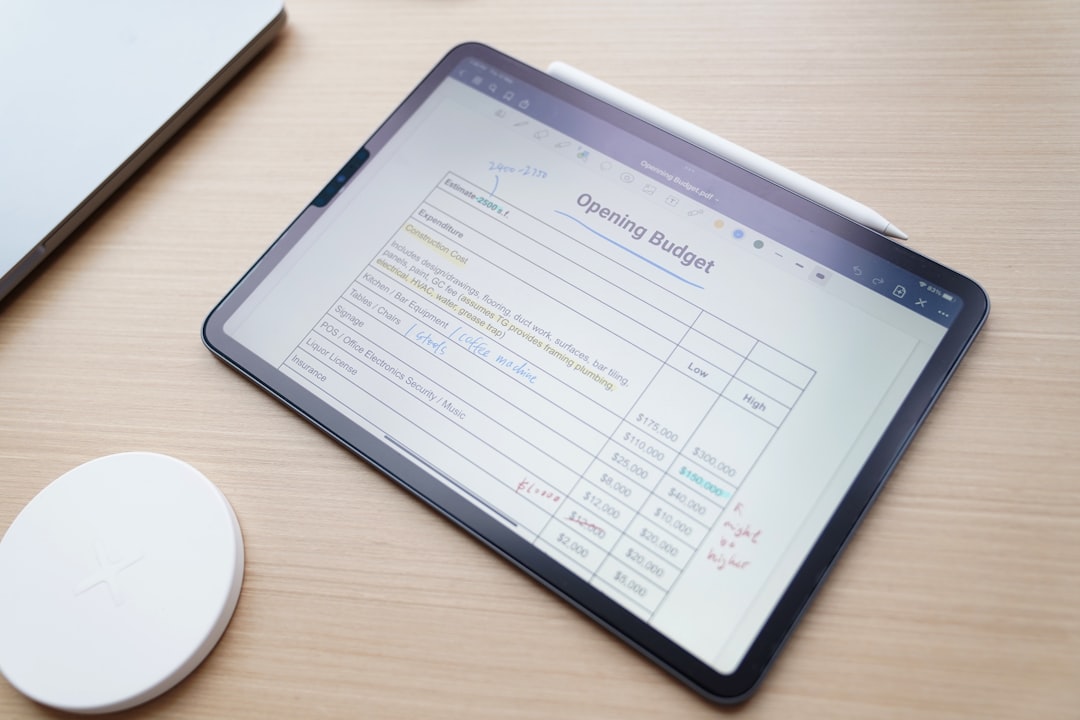
Couples budgeting together is a powerful way for partners to align their finances, reduce money stress, and achieve shared goals. By creating a clear financial plan, couples can manage expenses, plan for the future, and avoid common money conflicts. In this guide, you’ll learn practical steps, templates, and apps to budget effectively as a team.
Key Takeaways
-
Open communication about money habits is the first step in couples budgeting together.
-
Combining income and expenses helps partners see the full financial picture.
-
Joint budgets can be managed with shared accounts or digital tools.
-
Templates like couple monthly budget template Excel simplify expense tracking.
-
Regular reviews prevent misunderstandings and keep financial goals on track.
-
Avoid common mistakes like hiding debts or overspending on separate accounts.
-
Long-term benefits include reduced financial stress, increased savings, and stronger relationships.
What Is Couples Budgeting Together?
Couples budgeting together means both partners actively participate in managing their finances. It involves discussing income, expenses, and financial goals to create a shared plan that works for both people.
Key Components of a Joint Budget
-
Income – List all sources, including salaries, freelance work, or side gigs.
-
Expenses – Include rent, utilities, groceries, subscriptions, and discretionary spending.
-
Savings & Debt – Allocate funds for emergency savings, retirement, and paying off debt.
-
Financial Goals – Short-term goals (vacations, gadgets) and long-term goals (home, retirement).
According to the National Endowment for Financial Education, couples who budget together report higher financial satisfaction and lower conflict over money.
Why Does Couples Budgeting Together Matter?
Budgeting as a couple reduces misunderstandings and strengthens trust. Money is a common source of conflict in relationships; shared planning ensures both partners feel heard and involved.
Benefits of Budgeting Together
-
Clear understanding of monthly spending and savings.
-
Improved communication and decision-making.
-
Avoidance of surprise debts or unpaid bills.
-
Alignment on financial priorities like buying a home or saving for retirement.
Research by the American Psychological Association shows that financial disagreements are among the top predictors of relationship stress. Couples budgeting together helps mitigate this risk.
How to Start Couples Budgeting Together
Step 1: Open Financial Conversation
-
Discuss money habits, debts, and priorities.
-
Share past experiences with budgeting or financial mistakes.
Step 2: Combine Income and Expenses
-
Decide whether to merge all accounts or maintain individual accounts with a shared joint account.
-
Track every expense to get a clear picture.
Step 3: Choose a Budgeting Method
-
Zero-based budget – Assign every dollar a job.
-
50/30/20 rule – 50% needs, 30% wants, 20% savings/debt.
Step 4: Use Tools or Templates
-
Couple monthly budget template Excel – easy to customize for your expenses.
-
Free budgeting app for couples – examples: Honeydue, Zeta, or Goodbudget.
-
Simple budget app for couples – ideal for beginners to track spending in real time.
Step 5: Review Regularly
-
Schedule monthly or weekly budget check-ins.
-
Adjust categories or contributions as goals and income change.
Examples & Scenarios
Example: Monthly Budget for Couples Living Together
| Category | Monthly Amount | Notes |
|---|---|---|
| Rent & Utilities | $1,500 | Split 50/50 or proportional to income |
| Groceries | $500 | Combine shopping for efficiency |
| Transportation | $300 | Gas, insurance, public transit |
| Entertainment | $200 | Date nights, subscriptions |
| Savings & Retirement | $400 | Emergency fund and retirement contributions |
| Debt Payments | $250 | Credit card, student loans |
| Miscellaneous | $150 | Personal discretionary spending |
This table can be adapted using a budget for couples template or a couples budget planner app to automate tracking.
Common Mistakes to Avoid
-
Hiding debts or income – transparency is key to trust.
-
Ignoring small expenses – recurring small purchases can add up.
-
Rigid rules – flexibility is important to prevent frustration.
-
Skipping check-ins – monthly reviews help adjust for changing needs.
-
Overcomplicating tracking – start simple and scale as needed.
Long-Term Benefits of Couples Budgeting Together
-
Reduced financial stress – shared responsibilities lighten the mental load.
-
Stronger relationships – transparency builds trust and teamwork.
-
Better financial planning – reaching milestones like buying a home or retirement is easier.
-
Increased savings and investment – combined tracking encourages more disciplined money habits.
Conclusion + Next Steps
Couples budgeting together is more than balancing a checkbook; it’s about partnership, communication, and shared goals. Start by discussing your finances openly, choosing a method, and using tools like templates or apps to stay organized. Regular review ensures you stay on track, reduce conflicts, and build financial security together.
FAQs
How do couples start budgeting together without arguing?
Start with open, non-judgmental conversations about spending habits and financial goals. Focus on shared objectives rather than blame.
Are there free budgeting apps for couples?
Yes, apps like Honeydue, Zeta, and Goodbudget offer free features to track joint finances and shared expenses.
How should couples split bills fairly?
Couples can split equally, proportionally to income, or assign bills based on comfort and expense type.
Can Excel templates help with couples budgeting together?
Absolutely. Couple monthly budget template Excel allows customization and easy tracking of all expenses in one place.
How often should couples review their budget?
Monthly reviews are ideal to track progress, adjust categories, and ensure alignment on goals.