When it comes to electrical repairs, understanding the potential costs is crucial for homeowners. Electrical issues can range from minor inconveniences to major hazards, and the expenses associated with these repairs can vary significantly. On average, homeowners can expect to pay anywhere from $150 to $500 for common electrical repairs, but more complex issues can escalate the costs to thousands of dollars.
Factors such as the type of repair needed, the complexity of the job, and local labor rates all play a role in determining the final bill. It’s essential to recognize that while some electrical repairs may seem straightforward, they can quickly become complicated. For instance, a simple outlet replacement might cost around $100, but if the wiring is outdated or damaged, the costs can rise sharply.
Additionally, emergency repairs, such as those required after a power surge or electrical fire, can lead to even higher expenses. Therefore, having a clear understanding of potential costs can help homeowners budget effectively and avoid financial strain when unexpected electrical issues arise.
Key Takeaways
- Electrical repairs can be costly and it’s important to understand the potential costs involved before starting any work.
- Common electrical issues like faulty wiring or outdated electrical panels can lead to budget-breaking repairs if not addressed promptly.
- Hiring a professional for electrical repairs can save time and money in the long run, as DIY repairs can lead to costly mistakes and safety hazards.
- Factors like the complexity of the repair, the age of the electrical system, and the location of the issue can impact the cost of electrical repairs.
- Budget-friendly electrical repairs can be achieved by getting multiple quotes, prioritizing necessary repairs, and considering energy-efficient upgrades.
- Regular maintenance of electrical systems can help avoid costly repairs by identifying and addressing issues early on.
- Ignoring electrical issues can lead to potential dangers like electrical fires, electrocution, and damage to appliances and electronics.
- There are resources available for financial assistance with electrical repairs, such as government grants, low-interest loans, and utility company programs.
Common electrical issues that can lead to budget-breaking repairs
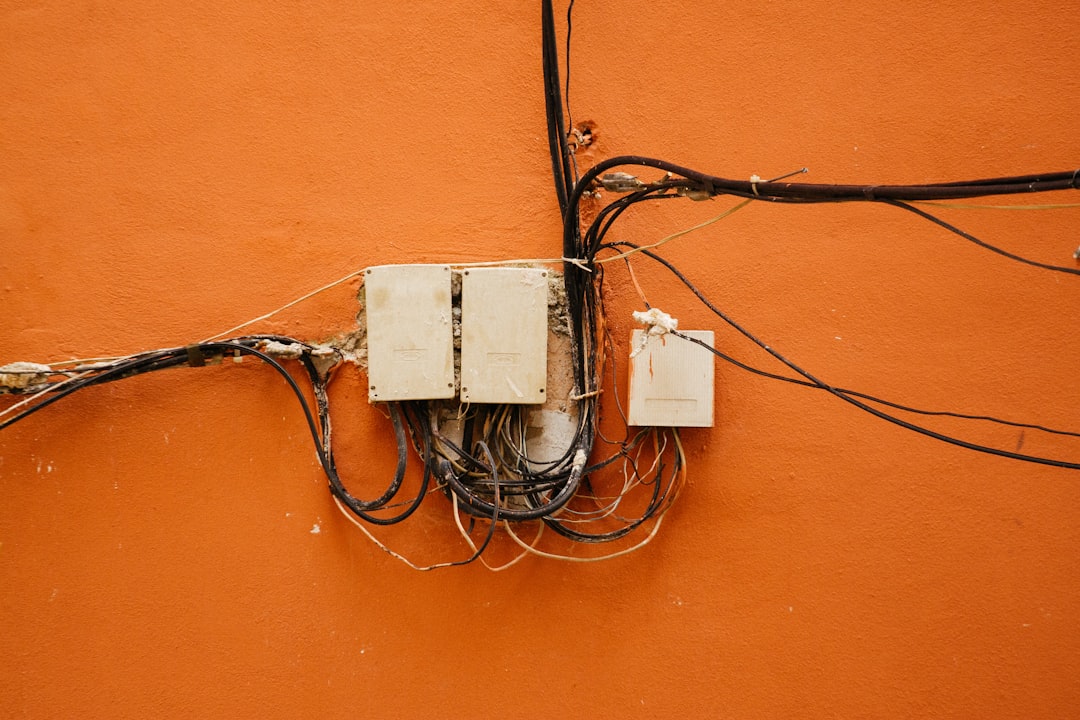
Several common electrical issues can lead to significant repair costs if not addressed promptly. One of the most prevalent problems is faulty wiring, which can result from age, wear and tear, or improper installation. Over time, wiring can become frayed or damaged, leading to short circuits or even electrical fires.
Repairing or replacing faulty wiring can be costly, often ranging from $1,000 to $3,000 depending on the extent of the damage and the complexity of the job. Another common issue is circuit overloads, which occur when too many devices are connected to a single circuit. This can cause breakers to trip frequently and may indicate that your electrical system is not equipped to handle your household’s power demands.
Upgrading your electrical panel or adding new circuits can be expensive, with costs typically ranging from $1,500 to $4,000. Homeowners should be vigilant about these issues to prevent them from escalating into more significant problems that could break the bank.
When faced with electrical repairs, homeowners often grapple with the decision of whether to hire a professional or attempt a DIY approach. While DIY projects can save money upfront, they come with inherent risks, especially when dealing with electricity. Electrical work requires a solid understanding of safety protocols and local building codes.
Mistakes made during DIY repairs can lead to dangerous situations, including electrical fires or electrocution. On the other hand, hiring a licensed electrician ensures that the work is done safely and correctly. Professionals have the training and experience necessary to diagnose issues accurately and implement effective solutions.
While hiring an electrician may seem more expensive initially—often costing between $50 and $100 per hour—the long-term benefits of safety and reliability far outweigh the potential savings of a DIY approach. In many cases, investing in professional help can prevent future costly repairs and ensure peace of mind.
Factors that can impact the cost of electrical repairs
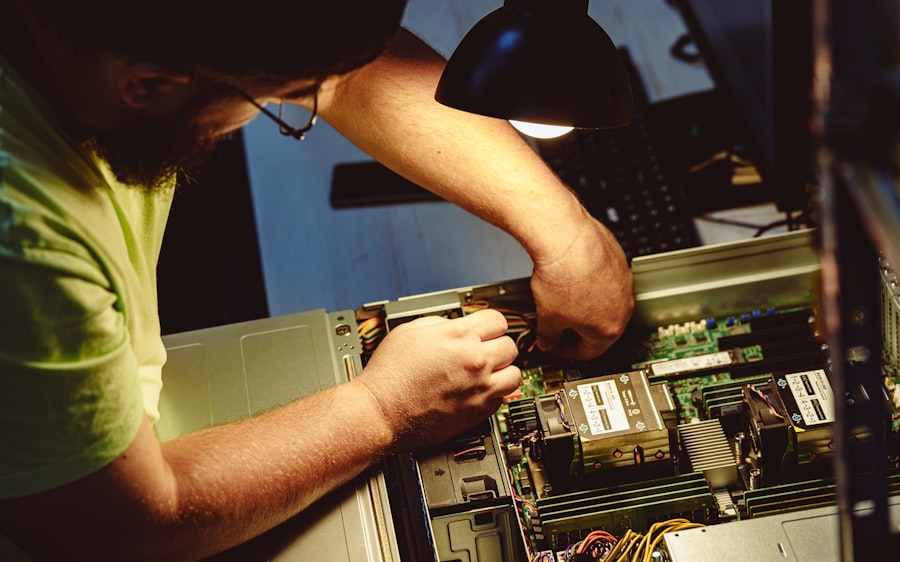
Several factors can influence the overall cost of electrical repairs. One significant factor is the type of repair needed; simple tasks like replacing a light switch will generally cost less than more complex jobs like rewiring an entire home. Additionally, the location of the repair can affect pricing; for example, repairs in hard-to-reach areas may require more labor and time, leading to higher costs.
Labor rates also vary by region and can significantly impact repair expenses. Urban areas typically have higher labor costs compared to rural locations due to demand and living expenses. Furthermore, the time of year can play a role; electricians may charge more during peak seasons when demand is high.
Homeowners should consider these factors when budgeting for electrical repairs to avoid unexpected financial burdens.
Tips for budget-friendly electrical repairs
To keep electrical repair costs manageable, homeowners can implement several budget-friendly strategies. First and foremost, regular maintenance is key. By scheduling routine inspections with a licensed electrician, homeowners can identify potential issues before they escalate into costly repairs.
Preventative maintenance often costs less than emergency repairs and helps ensure that your electrical system remains safe and efficient. Another effective strategy is to prioritize repairs based on urgency and necessity. Not all electrical issues require immediate attention; some may be minor inconveniences that can wait until you have saved enough funds for a proper fix.
Additionally, consider obtaining multiple quotes from different electricians before committing to a repair service. This allows you to compare prices and find a reputable professional who fits your budget.
Importance of regular maintenance to avoid costly electrical repairs
Regular maintenance is essential for preventing costly electrical repairs down the line. Just like any other system in your home, your electrical system requires periodic check-ups to ensure it operates efficiently and safely. Scheduling annual inspections with a qualified electrician can help identify wear and tear on wiring, outlets, and circuit breakers before they become significant problems.
Moreover, regular maintenance can enhance energy efficiency in your home. An electrician can assess your system for outdated components that may be consuming more energy than necessary. By upgrading these elements, you not only reduce your risk of future repairs but also lower your monthly energy bills.
Investing in regular maintenance ultimately saves money in the long run by preventing unexpected breakdowns and ensuring your home remains safe.
Potential dangers of ignoring electrical issues

Ignoring electrical issues can lead to severe consequences that extend beyond financial implications. One of the most significant dangers is the risk of electrical fires. Faulty wiring or overloaded circuits are common culprits behind residential fires, which can cause extensive damage to property and pose serious risks to life safety.
According to the National Fire Protection Association (NFPA), electrical failures are responsible for thousands of home fires each year. In addition to fire hazards, ignoring electrical problems can lead to electrocution risks. Faulty outlets or exposed wiring can create dangerous situations for anyone in the home, especially children or pets who may inadvertently come into contact with these hazards.
The potential for injury or loss of life underscores the importance of addressing electrical issues promptly rather than postponing repairs out of convenience or cost concerns.
Resources for financial assistance with electrical repairs
For homeowners facing financial challenges related to electrical repairs, several resources may provide assistance. Local government programs often offer grants or low-interest loans for home repairs aimed at improving safety and energy efficiency. These programs vary by location but are worth exploring for those in need.
Additionally, non-profit organizations such as Habitat for Humanity may offer support for low-income families requiring essential home repairs, including electrical work. Homeowners should also check with their insurance providers; some policies may cover specific types of electrical damage or repairs under certain circumstances. By researching available resources and assistance programs, homeowners can find ways to manage repair costs without compromising safety.
Final Thoughts
In summary, understanding the potential costs associated with electrical repairs is vital for homeowners looking to maintain their properties effectively. By recognizing common issues that lead to expensive repairs and weighing the pros and cons of hiring professionals versus DIY efforts, homeowners can make informed decisions about their electrical systems. Regular maintenance plays a crucial role in preventing costly problems while addressing any existing issues promptly is essential for safety.
With careful planning and resourcefulness, homeowners can navigate their electrical repair needs without breaking the bank.
FAQs:
What are the most common electrical repairs in homes?
The most common electrical repairs include replacing faulty wiring, upgrading outdated panels, repairing overloaded circuits, and fixing damaged outlets.
Is it safe to DIY electrical repairs?
Minor repairs like replacing light switches or outlet covers can be DIY-friendly, but major work such as rewiring or panel upgrades should always be handled by a licensed electrician.
How much do electrical repairs typically cost?
Most electrical repairs cost between $150 and $500, while major projects such as rewiring or panel upgrades can range from $1,000 to $4,000.
How can I save money on electrical repairs?
Get multiple quotes, schedule preventative maintenance, prioritize urgent fixes, and consider energy-efficient upgrades to reduce long-term costs.
Are there financial assistance programs for electrical repairs?
Yes, government grants, nonprofit programs, utility rebates, and certain insurance policies may help cover the cost of essential electrical work.