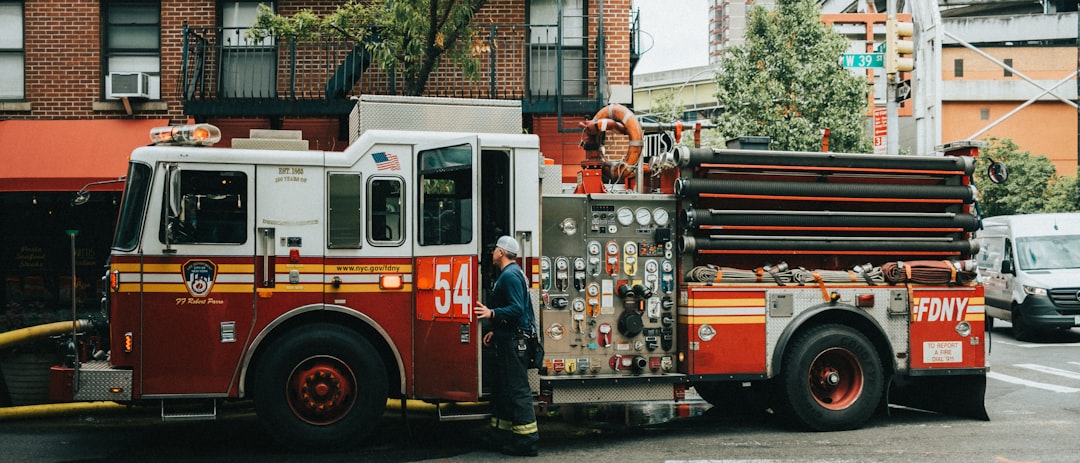
Documentation plays a crucial role in the fire damage recovery process. When a fire occurs, the aftermath can be overwhelming, and the chaos can make it easy to overlook important details. However, thorough documentation is essential for several reasons.
First and foremost, it serves as a record of the damage incurred, which is vital for filing insurance claims. Insurers require detailed evidence to process claims efficiently, and without proper documentation, you may face delays or even denials. Additionally, having a comprehensive account of the damage can help you understand the full extent of your losses, allowing you to make informed decisions about restoration and recovery.
Moreover, documentation can also aid in the emotional healing process. After experiencing a traumatic event like a fire, individuals often find it difficult to focus on the practical aspects of recovery. By keeping a detailed record of damages and losses, you create a structured approach to recovery that can help alleviate some of the stress.
This organized method not only assists in dealing with insurance companies but also provides a sense of control during a time when everything may feel chaotic. In essence, effective documentation is not just about numbers and claims; it’s about empowering yourself to navigate the recovery journey with clarity and confidence.
Key Takeaways
- Proper documentation is crucial for fire damage recovery to support insurance claims and ensure accurate assessment of damage.
- Understanding the claims process is essential for a smooth fire damage recovery, including filing claims promptly and providing thorough documentation.
- Selecting the right contractor for fire damage restoration is important, considering factors such as experience, reputation, and proper licensing and insurance.
- Documenting and assessing structural damage is critical for determining the extent of repairs needed and ensuring the safety and stability of the property.
- Documenting and assessing personal property damage is important for accurately valuing and replacing belongings lost in the fire.
Understanding the Claims Process for Fire Damage
Navigating the claims process for fire damage can be daunting, but understanding its key components can simplify the experience. The first step typically involves notifying your insurance company about the incident as soon as possible. Most insurers have specific timelines for reporting claims, so prompt communication is essential.
Once you’ve reported the fire, an adjuster will be assigned to your case. This professional will assess the damage and determine the extent of your coverage based on your policy. It’s important to be prepared for this visit by having all your documentation organized and accessible.
After the initial assessment, the adjuster will provide you with an estimate of the damages covered under your policy. This estimate may not always align with your expectations or needs, which is why it’s crucial to understand your policy thoroughly. Familiarize yourself with terms like “actual cash value” versus “replacement cost,” as these can significantly impact your compensation.
If you disagree with the adjuster’s assessment, you have the right to appeal or negotiate. Gathering additional evidence, such as photographs or expert opinions, can strengthen your case during this process.
Selecting the Right Contractor for Fire Damage Restoration

Choosing the right contractor for fire damage restoration is a critical step in ensuring a successful recovery. Not all contractors are created equal; therefore, it’s essential to do your homework before making a decision. Start by seeking recommendations from friends, family, or your insurance company.
Look for contractors who specialize in fire damage restoration and have a proven track record in this area. Checking online reviews and ratings can also provide insight into their reputation and reliability. Once you have a shortlist of potential contractors, conduct interviews to gauge their expertise and approach to restoration.
Ask about their experience with fire damage specifically, as well as their certifications and licenses. A reputable contractor should be willing to provide references from previous clients and examples of their work. Additionally, ensure that they offer a detailed written estimate that outlines the scope of work, materials needed, and timelines.
This transparency will help you avoid unexpected costs and delays down the line.
Documenting and Assessing Structural Damage
When it comes to documenting and assessing structural damage after a fire, a systematic approach is essential. Begin by conducting a thorough inspection of your property, focusing on areas that may have been directly affected by flames, smoke, or water used during firefighting efforts. Look for visible signs of damage such as charred beams, warped walls, or compromised foundations.
It’s advisable to take photographs from multiple angles to capture the extent of the damage accurately. In addition to visual assessments, consider enlisting the help of professionals such as structural engineers or certified inspectors who can provide expert evaluations. They can identify hidden issues that may not be immediately apparent but could pose significant risks if left unaddressed.
Documenting their findings alongside your own observations will create a comprehensive record that can be invaluable during the claims process and when discussing repairs with contractors.
Documenting and Assessing Personal Property Damage
Documenting personal property damage after a fire is equally important as assessing structural damage. Start by creating an inventory list of all items that were damaged or destroyed in the fire. This list should include details such as brand names, model numbers, purchase dates, and estimated values.
If possible, gather receipts or proof of purchase for high-value items to support your claims further. Photographs play a vital role in this documentation process as well. Take clear pictures of damaged items from various angles to provide visual evidence of their condition post-fire.
If you have any pre-fire images of these items—such as those from social media or home inventory apps—include them as well; they can serve as valuable comparisons to demonstrate loss. The more thorough your documentation is, the better equipped you will be to negotiate with your insurance company and ensure you receive fair compensation for your losses.
Understanding Insurance Coverage for Fire Damage
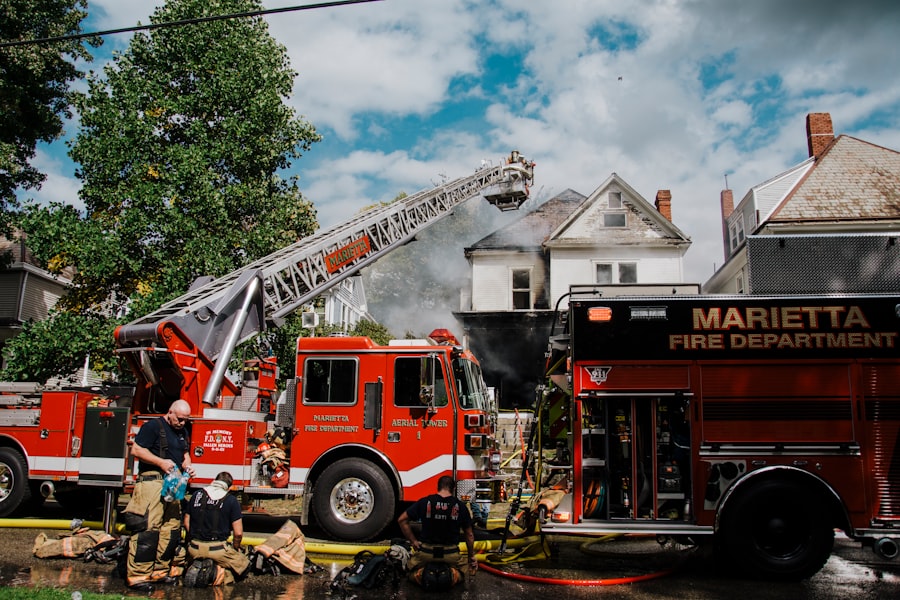
Understanding your insurance coverage for fire damage is crucial in navigating the recovery process effectively. Most homeowners’ insurance policies cover fire damage; however, the specifics can vary widely between policies. Familiarize yourself with key terms such as “dwelling coverage,” which pertains to the structure of your home, and “personal property coverage,” which relates to your belongings inside the home.
Knowing these distinctions will help you understand what is covered and what isn’t. Additionally, it’s important to be aware of any exclusions or limitations within your policy. For instance, some policies may not cover certain types of fires or may have caps on specific categories of personal property.
Reviewing your policy with an insurance agent can clarify any uncertainties and help you prepare for discussions with your adjuster. If you find that your coverage is insufficient for your needs, consider discussing options for additional coverage or endorsements that could better protect you in the future.
Tips for Navigating the Fire Damage Recovery Process
Navigating the fire damage recovery process can feel overwhelming, but there are several tips that can help streamline your efforts. First and foremost, stay organized throughout every step of the process. Create a dedicated folder—either physical or digital—where you keep all documentation related to the fire, including insurance correspondence, contractor estimates, photographs, and inventory lists.
This organization will save you time and reduce stress when dealing with various parties involved in your recovery. Another important tip is to maintain open lines of communication with all stakeholders involved in your recovery process—this includes your insurance adjuster, contractors, and any professionals assisting with assessments. Regularly check in with them to stay updated on progress and address any concerns promptly.
Additionally, don’t hesitate to ask questions if something is unclear; understanding each step will empower you to make informed decisions moving forward.
Ensuring a Smooth and Successful Fire Damage Recovery Process
To ensure a smooth and successful fire damage recovery process, it’s essential to remain proactive and engaged throughout every phase of recovery. Start by setting realistic expectations regarding timelines and outcomes; restoration can take time depending on the extent of damage and availability of resources. Patience is key during this period as you work through repairs and negotiations with your insurance company.
Furthermore, consider seeking support from local resources or community organizations that specialize in disaster recovery assistance. These groups can provide valuable guidance and emotional support during this challenging time. Remember that recovery is not just about restoring physical structures; it’s also about healing emotionally from the trauma experienced during the fire incident.
By taking care of both aspects—practical and emotional—you’ll be better equipped to move forward into a brighter future after such an unfortunate event. In conclusion, while recovering from fire damage can be an arduous journey filled with challenges, understanding each step—from documentation to selecting contractors—can significantly ease the process. By staying organized, informed, and proactive, you empower yourself to navigate this difficult time effectively while ensuring that you receive fair compensation for your losses and ultimately restore your home and life back to normalcy.
FAQs About Fire Damage Recovery
How do I document fire damage for insurance?
Take photos and videos, make an inventory of damaged items, and keep receipts. Professional inspection reports can strengthen your claim.
What should I do if the insurance adjuster’s offer is too low?
You can negotiate, provide additional evidence, or hire a public adjuster to represent your interests.
How do I find a reliable fire restoration contractor?
Look for licensed, insured contractors with fire restoration experience and strong reviews. Always request a detailed written estimate.
What is the difference between replacement cost and actual cash value?
Replacement cost covers the price of replacing items with new ones. Actual cash value accounts for depreciation, meaning you may get less.
Does homeowners’ insurance cover temporary housing after a fire?
Yes, most policies include loss of use coverage to cover hotels, rentals, or other living expenses while your home is repaired.