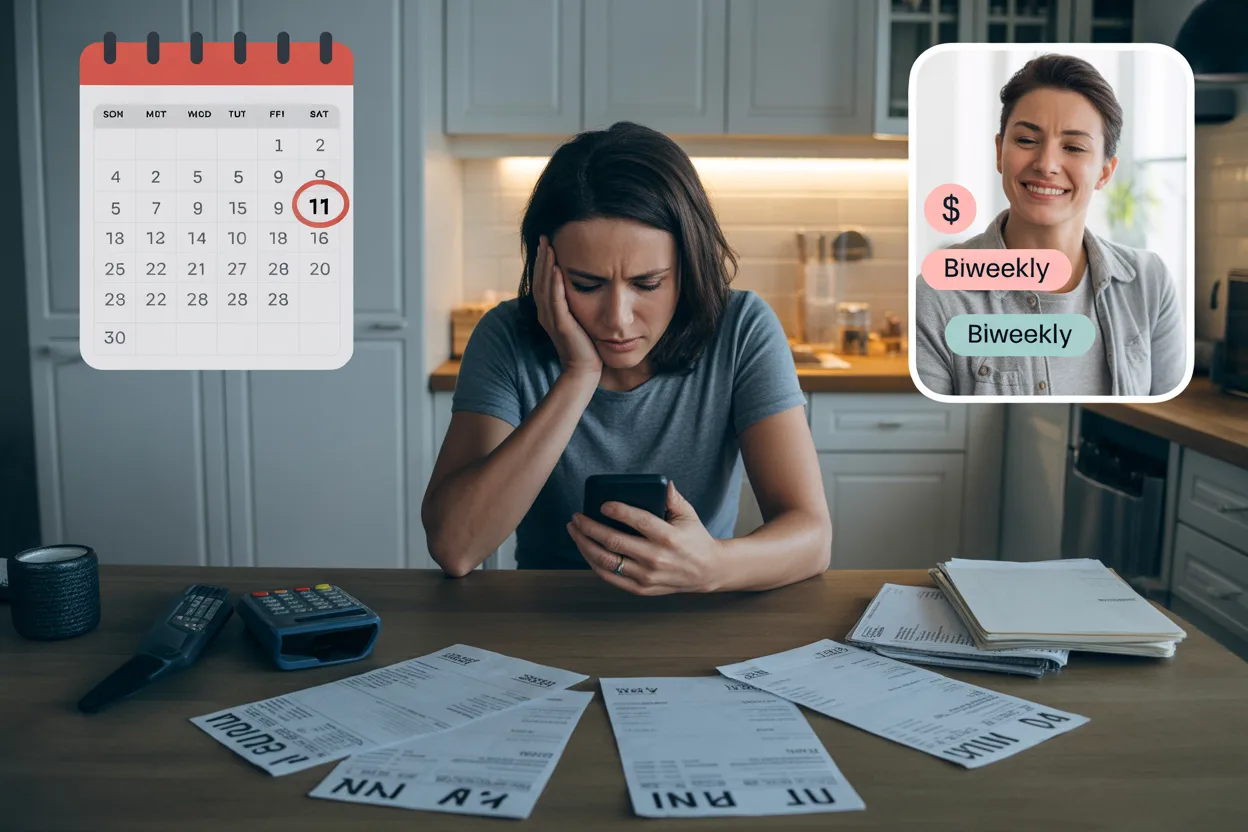
First of the month budget problems are one of the biggest reasons people feel broke right after getting paid. You work hard, your paycheck hits your account, and for a brief moment, everything feels under control. Then the first of the month arrives—and suddenly, your money disappears.
Rent or mortgage payments hit first. Then your car payment, utilities, insurance, and other fixed expenses follow. If your car payment alone is $600, $700, or even $800, that single withdrawal can wipe out a huge portion of your balance instantly.
This creates a frustrating cycle: you go from financially stable to stretched thin overnight, even though you’re earning consistently. The issue isn’t always how much you make—it’s how your income and expenses are timed.
The Hidden Trap Behind Your Paycheck
Most people are paid biweekly, meaning they receive 26 paychecks per year. However, most bills are structured on a monthly schedule. This mismatch creates what can be called a “cash flow timing problem.”
Here’s how it plays out:
- You receive a paycheck
- A large bill is due immediately
- A big chunk of your income disappears at once
- You’re left covering daily expenses for the next two weeks
This gap forces many people to rely on credit cards just to cover basics like groceries or gas. You’re not overspending—you’re just stuck in a system that doesn’t match your pay cycle.
Why the First of the Month Feels So Overwhelming
The first of the month acts like a financial vacuum. It pulls large amounts of money out of your account all at once, leaving you with little flexibility.
This creates what’s known as a cash flow gap—a situation where your expenses are front-loaded, but your income is spread out. As a result, you end up with more days than dollars.
This isn’t a personal failure. It’s a structural issue. Most billing systems are designed for convenience on the lender’s side—not yours.
When your account balance drops too low early in the month, stress builds quickly. Even basic spending decisions become difficult. Over time, this can make budgeting feel pointless, when in reality, the structure needs to change—not your discipline.
The Solution: Payment Architecture
The solution to first of the month budget problems is something simple but powerful: Payment Architecture.
Instead of paying large bills once a month, you break them into smaller payments that match your paycheck schedule.
For example:
- Monthly car payment: $700
- Biweekly payment: $350 per paycheck
By doing this, you avoid a massive one-time deduction from your account. Instead, your payments become smaller, predictable, and easier to manage.
This approach keeps more money in your account throughout the month, giving you what can be called “breathable cash”—money available for everyday needs like food, fuel, and essentials.
The Power of Biweekly Payments: The 13th Payment Advantage
There’s another major benefit to this strategy that most people overlook.
When you switch to biweekly payments, you end up making 26 half-payments per year. That equals 13 full payments instead of the usual 12.
That extra payment doesn’t come from spending more—it comes from timing your payments differently.
This additional payment goes directly toward your loan principal, reducing the total balance faster and lowering the amount of interest you pay over time.
How Biweekly Payments Shorten Your Loan
The impact of that extra payment is significant.
Many auto loans today stretch to 72 or even 84 months. That’s six to seven years of payments on a depreciating asset.
By using a biweekly payment strategy, you can reduce your loan term by approximately 10% to 12%.
That means:
- Paying off your loan months earlier
- Saving thousands in interest
- Freeing up future income sooner
This isn’t about earning more—it’s about structuring your payments smarter.
How to Set Up Payment Architecture
Getting started with this system is easier than most people think.
1. Contact Your Lender
Ask your loan provider if they support biweekly payments. Many institutions already offer this option or can guide you through the setup.
2. Avoid Unnecessary Fees
Some lenders use third-party services that charge fees for biweekly payment plans. If the fees are high, consider handling it yourself.
3. Use the DIY Method
Open a separate savings account dedicated to bills. Each payday, transfer half of your monthly payment into that account.
At the end of the month, pay the full amount from this account. This helps you avoid large deductions from your main spending balance.
4. Capture the “Extra” Paychecks
Twice a year, you’ll receive a third paycheck in a month. Use those opportunities to make additional payments and accelerate your progress.
What Life Looks Like with Better Cash Flow
Once you fix your payment timing, your financial stress begins to fade.
You no longer dread the first of the month. Your bills are already accounted for in smaller increments. You have consistent access to cash for daily expenses.
This creates a sense of control. Instead of reacting to your finances, you’re managing them proactively.
Budgeting becomes less restrictive and more empowering. You’re not cutting back—you’re structuring your money to work with your life.
A Simple Shift That Changes Everything
Most financial struggles tied to first of the month budget problems aren’t about income—they’re about structure.
When you align your bills with your pay schedule:
- Cash flow improves
- Stress decreases
- Debt gets paid off faster
Start by restructuring your largest expense—usually your car payment. Once you see the impact, you can apply the same strategy to other bills.
Take Control Before the Month Takes Control of You
The financial system isn’t always designed with your best interest in mind. Monthly billing benefits lenders, but it can strain your budget.
By adopting Payment Architecture, you take back control.
You protect your cash flow, reduce financial pressure, and build a system that works for your life—not against it.
Your money should follow your schedule. Once it does, everything becomes easier.
FAQs:
What causes first of the month budget problems?
First of the month budget problems are caused by a mismatch between income frequency and bill due dates, leading to large expenses hitting all at once.
How do biweekly payments improve cash flow?
Biweekly payments break large monthly bills into smaller amounts, helping you maintain steady cash flow and avoid sudden financial strain.
Does paying biweekly reduce loan interest?
Yes, biweekly payments result in one extra full payment per year, which reduces your principal faster and lowers total interest paid.
Can I set up biweekly payments on any loan?
Many lenders allow biweekly payments, but if not, you can create a DIY system by saving half the payment from each paycheck.
Is Payment Architecture better than traditional budgeting?
Payment Architecture enhances traditional budgeting by aligning expenses with income timing, making your budget more practical and sustainable.