Let me be clear, I’m not saying all side gigs are bad. Many people successfully supplement their income through legitimate gig work. The problem is that most folks dive in without understanding the true costs or protecting themselves from the growing number of online scams targeting desperate job seekers.
The Hidden Financial Reality of Side Gigs
Before you get excited about that $250 monthly side hustle income, let’s talk about what you’re really taking home after all the hidden expenses. Spoiler alert: it’s probably a lot less than you think.
Vehicle Depreciation: The Silent Wealth Killer
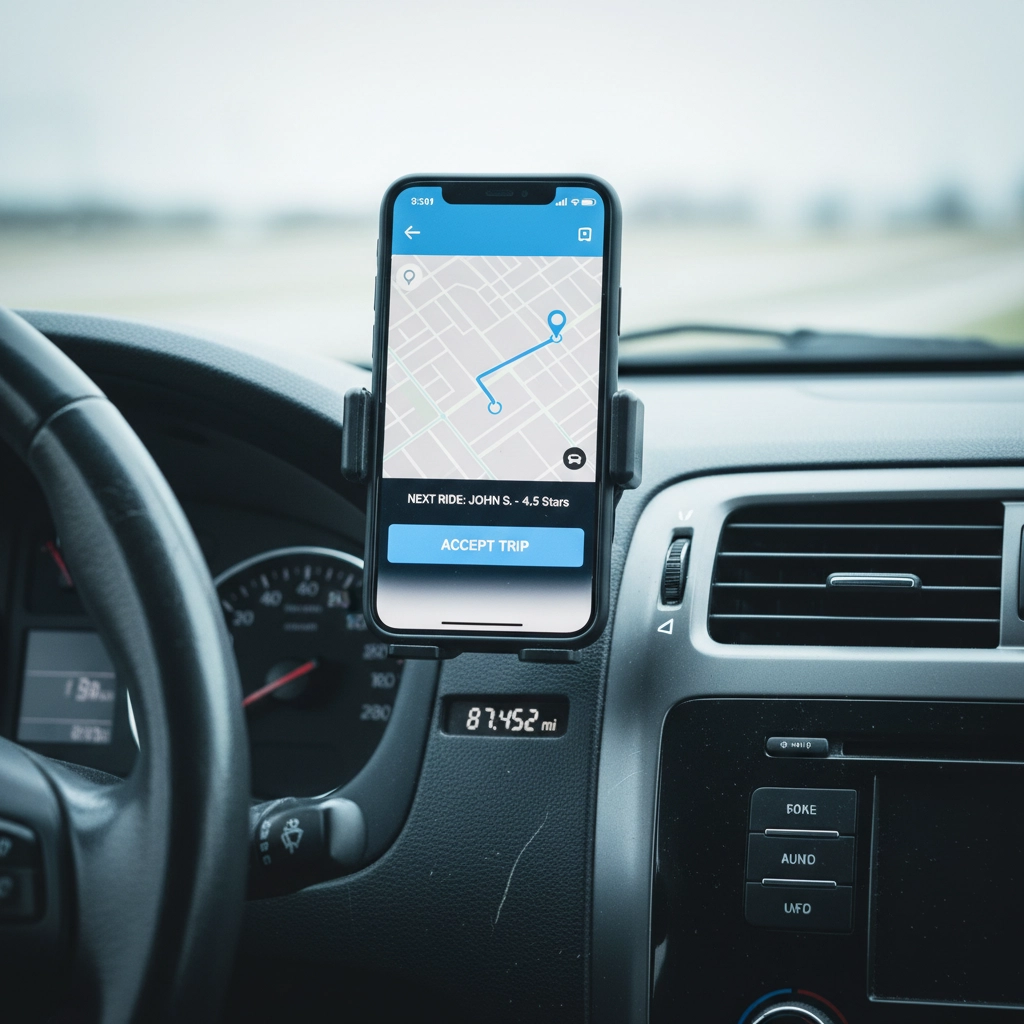
If you’re considering driving for Uber, Lyft, DoorDash, or any delivery service, vehicle depreciation is likely your biggest hidden expense. The IRS estimates that every mile you drive in 2025 costs you 70 cents in total expenses, with 33 cents being depreciation alone.
Here’s a real example that’ll make you think twice: A 2014 Acura MDX worth $12,500 with 100,000 miles drops to roughly $8,000 with 200,000 miles. That’s a $4,500 loss you won’t notice day-to-day but will definitely feel when you try to sell or trade in your car.
Most gig drivers I know focus on their daily earnings without tracking this depreciation. They’re essentially borrowing against their car’s future value to pay today’s bills.
Platform Fees and Hidden Charges
Those gig platforms aren’t running charities. They’re extracting significant fees from your earnings in ways that aren’t always transparent. You’ve got:
- Commission fees (typically 20-30% of gross earnings)
- Payment processing charges
- “Boost” or priority listing fees (that you feel pressured to pay to get more work)
- Equipment or supply costs (delivery bags, phone mounts, etc.)
Some workers discover they’re actually paying the platform to work, especially during slow periods when they’ve paid for priority placement but didn’t get enough jobs to break even.
The Tax Surprise That Hits Hard
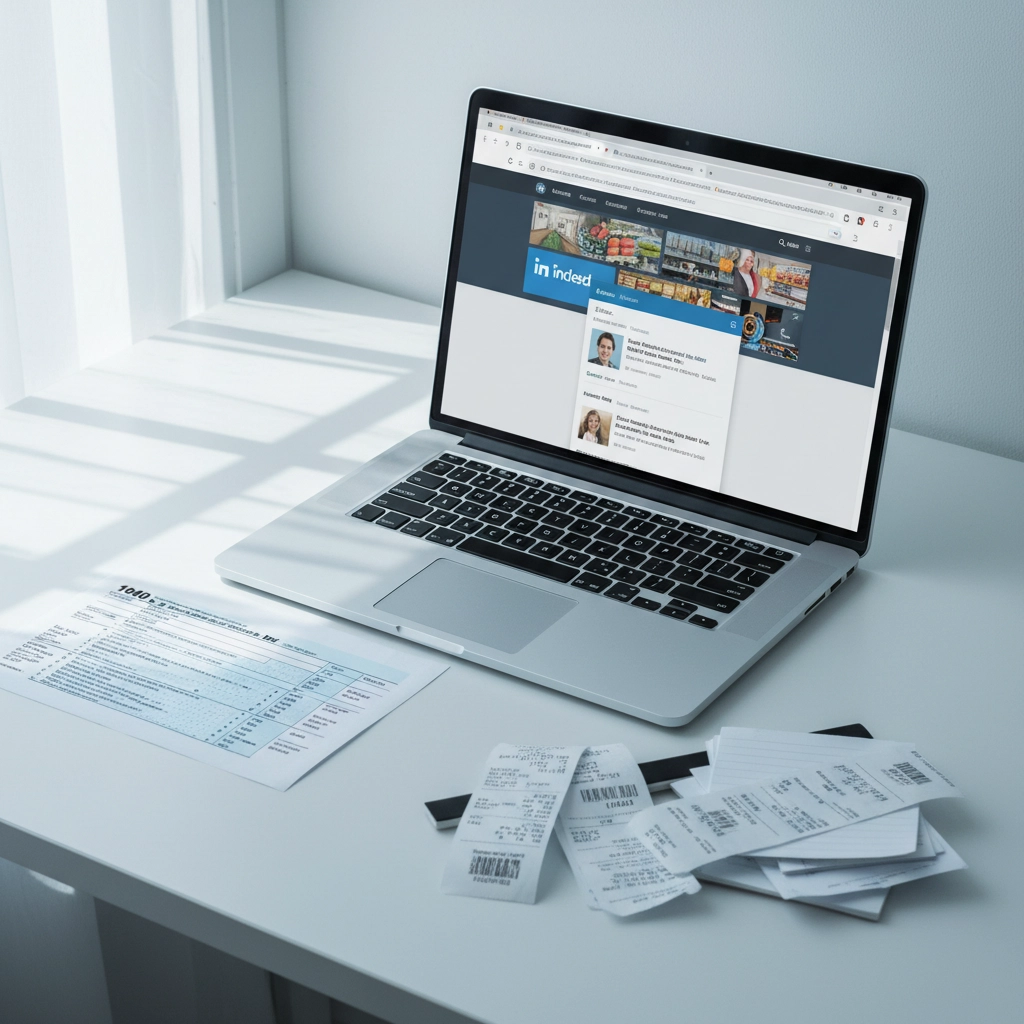
Here’s where things get really ugly. Any net income over $400 from gig work triggers a 15.3% self-employment tax. Add state income tax and regular federal income tax, and that $250 monthly earning can shrink to $150 or less.
Most side hustlers don’t realize they need to make quarterly estimated tax payments. Come tax season, they’re hit with a massive bill they weren’t prepared for, sometimes wiping out months of side gig earnings.
Protecting Yourself from Online Work Scams
As side gigs become more popular, scammers have gotten more sophisticated. They’re targeting people who are financially stressed and looking for quick income solutions. Here’s how to protect yourself:
Verify Everything Before Sharing Personal Information
Never, and I mean never, provide your Social Security number, bank account details, or credit card information early in the application process. Legitimate employers don’t need this information until after they’ve actually hired you.
Before applying to any position:
- Check the company’s official website and social media pages
- Compare job listing details with official company information
- Look for secure website connections (URLs should start with “https://”)
- Research the company on job review sites and the Better Business Bureau
Red Flags That Scream “SCAM”
Trust your gut. If something feels off, it probably is. Here are warning signs I see repeatedly:
They want money upfront. Legitimate employers pay you, not the other way around. If they’re asking for “training fees,” “equipment deposits,” or “background check payments,” run.
The pay seems too good to be true. $50/hour for simple data entry? $1,500/week for part-time work? Come on. If it sounds unrealistic, it probably is.
Communication is unprofessional. Legitimate companies use official email addresses and professional communication. Be suspicious of Gmail addresses claiming to be HR departments or messages with poor grammar and spelling.
They’re pushing you to decide quickly. “This offer expires in 24 hours!” is a classic pressure tactic. Real jobs don’t disappear overnight.
Guard Your Personal Information Like Fort Knox
Here’s my rule: the more desperately someone wants your personal information, the more suspicious you should be. Start with minimal information and only provide additional details as the relationship proves legitimate.
Create a dedicated email address for job searching so your personal email doesn’t get flooded with spam. Use a Google Voice number instead of your real phone number for initial contacts.
Making Smart Decisions About Side Gigs
Before you commit to any side hustle, run the actual numbers. I’m talking about creating a simple profit-and-loss statement where you track every expense and set aside money for taxes.

Calculate Your True Hourly Rate
Most gig workers focus on gross earnings and ignore the time spent:
- Waiting for jobs
- Driving to pickup locations
- Dealing with difficult customers or app glitches
- Vehicle maintenance and cleaning
- Administrative tasks like tracking expenses
When you factor in all these unpaid hours, that $25/hour driving gig might actually be paying you $12/hour.
The Opportunity Cost Question
Every hour you spend on a low-paying side gig is time you’re not investing in skills that could increase your main income. Ask yourself: Would those 10 hours per week be better spent learning a new skill, networking, or improving your primary career?
Sometimes the smartest financial decision is saying no to the side gig and focusing on advancement in your main job or developing skills for a career change.
Your Action Plan Moving Forward
If you decide to pursue side gig work despite these challenges, here’s how to do it smartly:
- Set up a dedicated business account to separate side gig income and expenses from your personal finances
- Reserve 30% of all earnings for taxes from day one
- Track every single expense related to the work
- Set a minimum hourly rate below which you won’t work
- Regularly evaluate whether the gig is still worth your time
Remember, the goal isn’t to discourage you from earning extra income, it’s to help you make informed decisions that actually improve your financial situation rather than creating new problems.
The gig economy can be a useful tool for generating additional income, but only when you understand the true costs and protect yourself from the very real risks. Take the time to do your homework, crunch the numbers honestly, and always trust your instincts when something doesn’t feel right.
FAQs: Hidden Costs of Side Gigs
How much should I set aside for taxes from side gig income?
Set aside at least 30% of your side gig earnings for taxes. This covers the 15.3% self-employment tax plus federal and state income taxes. It’s better to overestimate and get a refund than to face a large tax bill you can’t afford.
What’s the biggest red flag when looking for online work?
Any job that asks you to pay money upfront is a scam. Legitimate employers never ask for training fees, equipment deposits, or background check payments from potential employees.
How do I calculate if a driving gig is worth it financially?
Track your total miles driven, multiply by the IRS rate (70 cents per mile in 2025), and subtract this from your gross earnings along with other expenses like phone bills and car washes. This gives you your true profit. Then divide by total time worked (including waiting time) to get your real hourly rate.
Should I quit my main job to focus on side gigs?
Generally no. Side gigs rarely provide the stability, benefits, or long-term earning potential of traditional employment. Use side gigs to supplement income while maintaining your primary job security and benefits.
What information is safe to share when applying for online work?
Initially, only share your name, contact information, and work experience. Never provide Social Security numbers, bank account details, or credit card information until after you’ve been officially hired and verified the employer’s legitimacy.