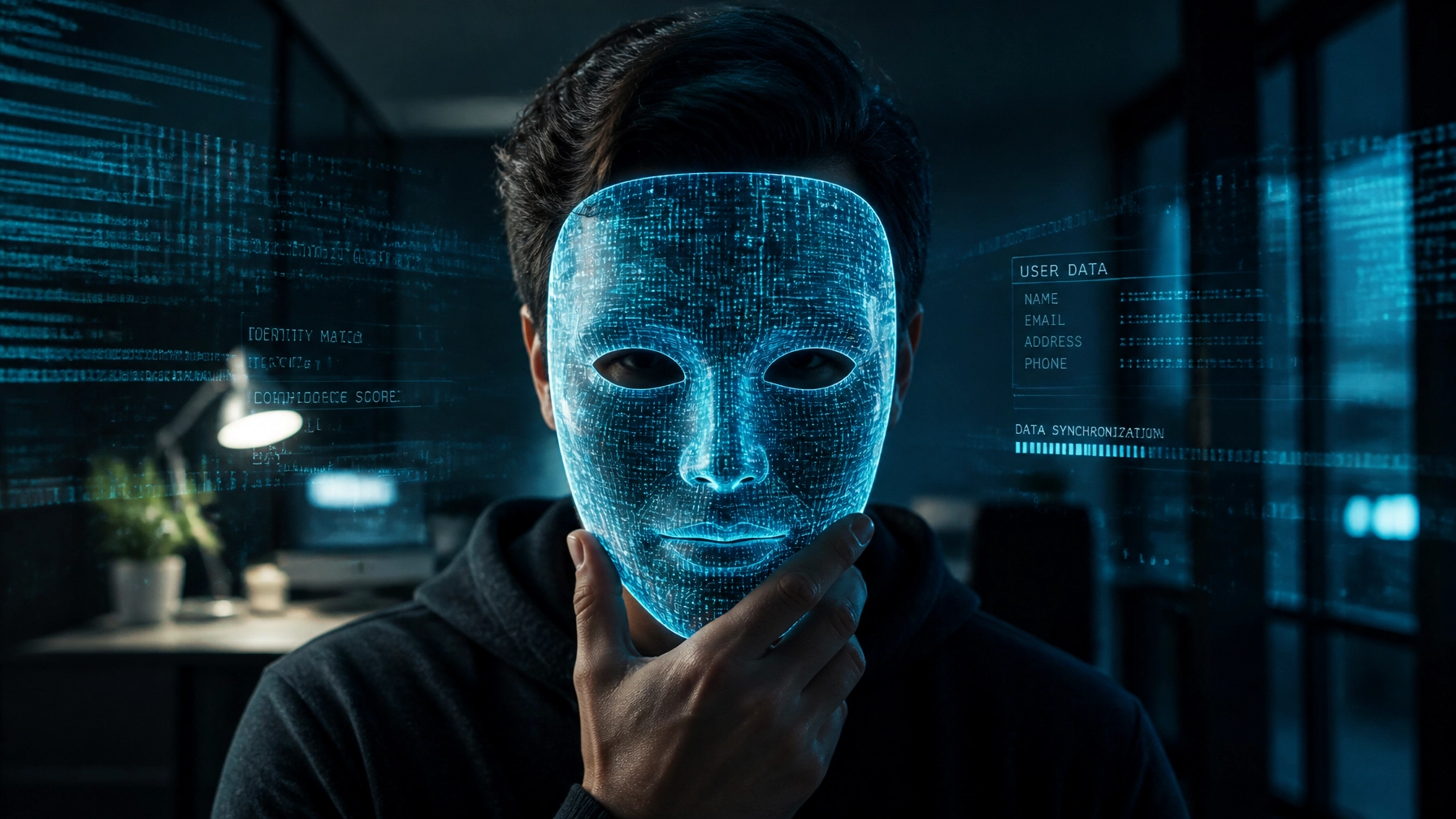
Hey everyone, Earl here. We have always talked about being careful with your money, but the world just got a lot more complicated. AI is making online scams more sophisticated, personalized, and harder to recognize. For years, we could spot a scam from a mile away because of a misspelled word, a weird-looking logo, or a person on the phone who did not sound quite right. Those days are quickly disappearing.
Artificial intelligence is not just for writing poems or making cool art. It has become a powerful tool for criminals who want to separate you from your hard-earned savings. The biggest change is that scams are becoming more personalized and extremely convincing. We are moving into a time when seeing and hearing are no longer enough to prove someone is who they say they are.
This is part of our Avoid This Scam™ series, where we help you stay one step ahead of the bad actors. If you want a solid foundation on fraud prevention, start with our pillar guide on how to recognize financial fraud before it costs you money. Today, we are going deep into how AI is rewriting the rulebook of deception.
How AI Changes the Scam Landscape
In the past, scammers had to work hard to be believable. They had to learn a language, practice an accent, or spend hours designing a fake website. Today, AI does the heavy lifting for them. A criminal with very little technical skill can now use AI tools to create high quality traps.
The primary goal of AI in scams is to build trust. By using AI to mimic your boss, your grandchild, or your bank’s official communication, scammers can bypass your natural defenses. They are no longer just “fishing” with a wide net: they are using high tech tools to target you specifically. This is a significant shift that requires a new level of awareness from all of us.
The Most Convincing AI-Powered Techniques
To protect yourself, you need to know exactly what these tools can do. The technology has evolved so fast that even experts are sometimes fooled. Here are the most common ways AI is being used against consumers today.
Voice Cloning: The Phone Call From the Future
This is one of the most frightening developments. With just a few seconds of audio from a social media video or a voicemail, AI can create a perfect clone of a person’s voice. This is often used in “grandparent scams” or “emergency scams.”
Imagine getting a call from your child or grandchild saying they have been in an accident and need money for bail or a hospital bill. The voice sounds exactly like them: the tone, the cadence, even the way they laugh. Because you “recognize” the voice, your brain skips the logic phase and goes straight to panic mode. This emotional hijacking is exactly what the scammers want.
Deepfake Video: Seeing Isnt Always Believing
We used to say “I’ll believe it when I see it.” That phrase is now officially retired. Deepfake technology uses AI to overlay a person’s face onto another person’s body in real time. Criminals are using this for fake video calls.
An employee might get a video call from their “CEO” asking for a secret wire transfer. A family member might see a video of a loved one claiming they are in trouble. While there are sometimes small glitches in these videos, they are becoming so realistic that they can fool almost anyone at a glance. We have even seen deepfakes of celebrities like Elon Musk or Oprah Winfrey used to promote fake investment schemes.
AI-Generated Phishing: The End of Bad Grammar
For years, we told people to look for typos and poor grammar in emails. AI has fixed those mistakes for the scammers. Tools like ChatGPT can write perfectly professional, grammatically correct emails in any language.
AI can also help scammers research you. It can scan your LinkedIn or Facebook profile to create a message that mentions your recent promotion, your dog’s name, or a conference you just attended. This level of detail makes the message seem legitimate. If you want to see how this fits into the broader picture, check out our article on the most common scam red flags everyone should know.
Fraud-as-a-Service: Scams for Everyone
You do not have to be a computer genius to be a scammer anymore. There is a rising trend called “Fraud-as-a-Service.” On the dark web, experienced criminals sell “kits” to others. These kits include AI voice cloners, pre-written phishing scripts, and lists of stolen phone numbers. This means the number of scams is increasing because the “barrier to entry” is so low.
Why Traditional Red Flags No Longer Work
We have to update our internal “scam detectors.” Many of the things we used to rely on are now useless.
- Perfect Language: Bad spelling used to be a dead giveaway. Now, AI ensures that every word is spelled correctly and the tone is professional.
- Familiar Voices: We used to trust our ears. Now, a voice on the phone can be 95% accurate to the real person.
- Official Logos: AI can recreate brand logos and website layouts perfectly.
- Real-Time Interaction: Scammers can now use AI to chat with you in real time, answering your questions with logical, though fake, responses.
The psychology behind financial scams is still the same: they want to create urgency and fear. But the “mask” they wear is now much harder to see through.
New Red Flags for the AI Era
Since the old red flags are gone, we need new ones. Here is what you should look for now.
- The “Glitch” Factor: In video calls, look for strange blurring around the mouth or eyes. If the person turns their head, the “mask” might flicker for a split second.
- Audio Artifacts: Cloned voices can sometimes sound a bit flat or robotic. Listen for unusual pauses or a lack of natural breathing sounds.
- Unusual Urgency + Weird Payment: This is the one red flag that AI cannot fix. If someone “famous” or “familiar” is asking for money via wire transfer, cryptocurrency, or gift cards, it is a scam. Period.
- The “Out of Character” Request: If your boss suddenly asks you to buy gift cards for “client rewards,” or your tech-averse grandmother asks you to help her with a Bitcoin transaction, alarm bells should go off.
- The Second Channel Test: If a person contacts you on WhatsApp, try calling them on their regular phone number. If they claim they “cannot talk” but keep texting, it is likely a scam.
How to Protect Yourself and Your Family
You do not have to live in fear, but you do have to live with a new set of rules. Here is a checklist of steps you can take today.
- Create a Family “Safe Word”: This is a secret word or phrase that only your family knows. If someone calls claiming to be a family member in trouble, ask for the safe word. If they cannot provide it, hang up immediately.
- Verify Everything: If your bank calls you, hang up. Call them back using the official number on the back of your debit card. If your boss emails you a strange request, call them or walk into their office. Never use the contact info provided by the person reaching out to you.
- Privacy is Protection: Be careful about how much audio of your voice you put online. If your social media profiles are public, scammers can easily harvest your voice or your children’s voices. Consider making your accounts private.
- Use Multi-Factor Authentication (MFA): Even if a scammer tricks you into giving up a password, MFA can stop them from getting into your accounts. Always use an app like Google Authenticator or a physical key instead of SMS (text) codes when possible.
- Slow Down: AI scams thrive on speed. They want you to act before you think. If you feel a rush of panic, take a deep breath. Ask yourself: “Does this make sense?”
The battle between AI scammers and AI security tools is a “cat and mouse” game. While technology is being developed to detect deepfakes and cloned voices, your best defense is still your own healthy skepticism.
If you or someone you know has already been targeted, do not be ashamed. It is happening to everyone. Read our guide on what to do immediately if youve been scammed to start the recovery process. You can also explore our list of the biggest financial scams targeting consumers to see other tactics criminals are using.
Stay safe out there. Your awareness is your best protection.
FAQs: How AI Is Making Online Scams More Convincing
Can AI really clone a voice from just a 5-second clip?
Yes, modern AI tools can create a convincing clone from a very short sample. This is why scammers often harvest audio from public social media videos or even your own voicemail greeting.
What is the most common AI scam right now?
The “emergency call” or “grandparent scam” is currently the most frequent. Scammers use cloned voices to pretend to be a loved one in immediate danger or financial trouble.
How can I tell if a video call is a deepfake?
Look for “visual artifacts.” These include unnatural blinking, blurring around the edges of the face, or a mismatch between the movement of the lips and the sound of the voice. You can also ask the person to turn their head or wave their hand in front of their face, which often breaks the AI overlay.
Does AI help scammers with “romance scams”?
Absolutely. AI can generate completely fake but highly realistic profile pictures. It can also write romantic, engaging messages that make the victim feel a deep personal connection very quickly.
Are there tools to detect AI scams?
There are companies working on AI detection software, but they are often a step behind the scammers. Your best tool is still verification through a second, trusted channel like a direct phone call.
Why do scammers want me to pay in Bitcoin or gift cards?
These payment methods are very hard to track and almost impossible to reverse. Legitimate businesses and government agencies will never ask for payment this way.
Is my bank responsible if I am tricked by an AI scam?
Generally, no. If you “authorize” a transaction, even if you were tricked into doing so, it is very difficult to get your money back. This is why prevention is so important.
Should I stop posting videos with my voice on social media?
You do not necessarily have to stop, but you should be aware of the risk. Setting your profiles to “private” so only friends can see your content is a great way to limit a scammer’s access to your data.
Can AI create fake IDs?
Yes, AI can now generate highly realistic images of driver’s licenses, passports, and other documents. You should never trust an ID sent as a photo over email or text as proof of identity.
What should I do if I think a call is a scam?
Hang up immediately. Do not engage or try to “outsmart” them. Contact the person or organization they claimed to be through a verified, official phone number.

Avoid This Scam™ is the consumer protection and scam awareness desk of AskTheMoneyCoach.com. We help readers recognize, avoid, and respond to financial scams, fraud, identity theft, deceptive business practices, and online threats.
Our coverage includes scam alerts, fraud prevention strategies, consumer advocacy, practical safety guides, and expert analysis designed to help individuals and families protect their money, personal information, and financial well-being. We also explain what to do if you’ve already been targeted, because knowing how to respond can be just as important as avoiding a scam in the first place.