Learning how to build an emergency fund fast can protect you from financial stress when life throws unexpected expenses your way. Whether you’re facing job loss, medical bills, or car repairs, a fast-growing emergency fund gives you security and peace of mind.
This guide explains the most effective strategies—automation, budgeting, income boosts, windfall allocation, and more—so you can build your emergency savings quickly and confidently.
Key Takeaways
-
Automating savings makes growing an emergency fund easier and more consistent.
-
A separate high-yield savings account speeds up growth with interest.
-
Cutting discretionary expenses creates immediate savings opportunities.
-
Selling unused items and taking side jobs accelerate progress.
-
Redirecting windfalls—bonuses, tax refunds, gifts—can jump-start your fund.
-
Emergency funds protect you from debt and create long-term stability.
What Is “How to Build an Emergency Fund Fast”?
When people search how to build an emergency fund fast, they’re looking for the quickest, most practical strategy to save money for unexpected events. In personal finance, an emergency fund is a dedicated pool of savings meant to cover unplanned expenses or income disruptions.
How Much Should an Emergency Fund Include?
Most financial experts recommend 3–6 months of expenses, according to the Consumer Financial Protection Bureau (CFPB.gov). However, saving even $500 to $1,000 quickly can help prevent the need for high-interest credit cards in urgent situations.
Why Speed Matters
Unexpected emergencies don’t wait for perfect timing. Building savings rapidly—using automation, increased income, and expense cuts—helps you get protected sooner.
Why Does Learning How to Build an Emergency Fund Fast Matter?
Emergency funds are the foundation of financial stability. Without one, even small surprises become financial setbacks.
Prevents Debt and High-Interest Borrowing
Without savings, people often turn to credit cards or personal loans. Interest charges can snowball, turning a $300 expense into months of payments.
Reduces Stress and Increases Stability
Knowing you can cover an unexpected bill lowers financial stress and increases confidence in day-to-day decisions.
Helps You Stay on Track With Other Goals
When emergencies hit, savings goals like homeownership or paying off debt can be derailed. A strong emergency fund prevents that disruption.
How to Build an Emergency Fund Fast: Step-by-Step Guide
Below is the most practical framework to grow your emergency fund quickly, even on a tight budget.
1. Automate Your Savings
Automation is the fastest way to build an emergency fund without relying on willpower.
Set Up Automatic Transfers
Have your bank transfer a fixed amount to your emergency fund every payday. Automation ensures consistency and removes the temptation to spend the money first.
Use a High-Yield Savings Account
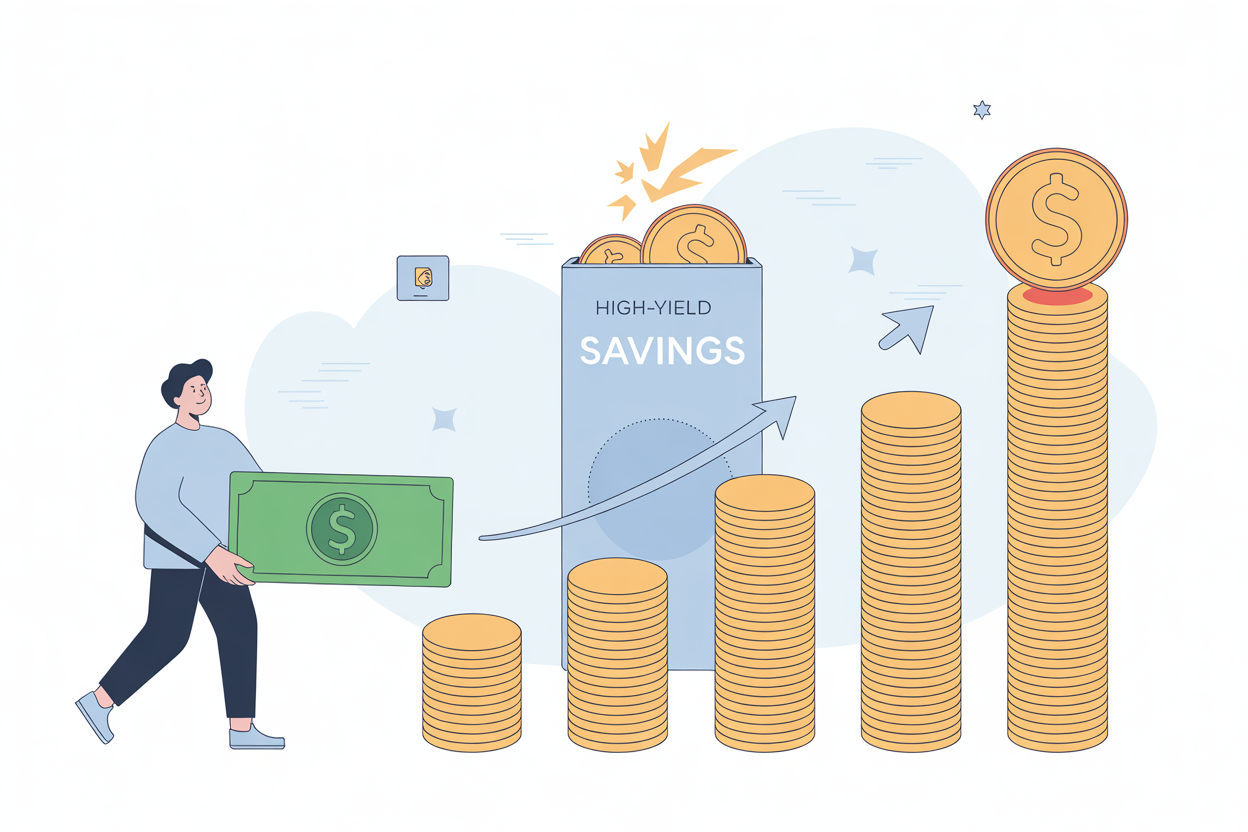
Store your emergency fund in a separate high-yield savings account or money market account. These often earn 4%–5% APY, helping your fund grow faster while keeping it accessible for true emergencies.
Try Micro-Saving Apps
Apps like Qapital, Acorns, and Digit round up your purchases or move tiny amounts you won’t miss. These small transfers add up surprisingly fast.
Cut Expenses to Free Up Cash
Cutting even a few recurring expenses can significantly accelerate your savings.
Track Spending and Make a Budget
A simple budget shows where money leaks occur—subscriptions, eating out, impulse purchases, unused memberships.
Reduce or Pause Non-Essential Spending
Cut or pause:
-
Streaming subscriptions
-
Eating out
-
Online impulse buys
-
Gym memberships you don’t use
-
Upgrades or luxury purchases
Even temporarily, these changes free money for your emergency savings.
Delay Big Purchases
Postpone major spending (vacations, new appliances, car upgrades) until your emergency fund is established.
3. Increase Your Income Quickly
Sometimes increasing income is faster than cutting expenses.
Sell Unwanted Items
Look around your home for items you no longer use—furniture, electronics, clothes, tools. Selling on Facebook Marketplace, eBay, or local apps can generate quick cash.
Start a Side Hustle
Side hustles allow you to direct 100% of extra earnings into savings. Options include:
-
Freelance gigs
-
Food delivery or rideshare
-
Part-time retail jobs
-
Pet sitting or dog walking
-
Online tutoring
Even an extra $200–$400 monthly accelerates your savings dramatically.
4. Allocate All Windfalls to Your Emergency Fund
Windfalls are one of the fastest ways to build an emergency fund.
Redirect Unexpected Money Immediately
Common windfalls include:
-
Tax refunds
-
Year-end bonuses
-
Cash gifts
-
Rebates or reimbursements
-
Side-hustle overages
Deposit these directly into your emergency fund to prevent accidental spending.
Examples and Scenarios: How Fast Can You Build a Fund?
Below is a table showing how long it may take to save $1,000 based on your approach.
| Strategy | Monthly Contribution | Time to Save $1,000 |
|---|---|---|
| Basic budgeting | $100 | 10 months |
| Expense cuts + automation | $200 | 5 months |
| Side hustle income | $300 | 3.3 months |
| Windfall (tax refund) | $1,000 | Immediately |
| Mixed approach | $400 | 2.5 months |
Insight: Combining strategies accelerates results more than relying on one method.
Mistakes to Avoid When Building an Emergency Fund Fast
1. Keeping the Money in a Spending Account
Funds kept in your checking account are too easy to spend. Use a separate, high-yield savings account.
2. Setting Unrealistic Savings Goals
Saving too much too fast can feel stressful. Start small and increase as you go.
3. Treating the Fund Like Everyday Savings
This account should be for emergencies only—car repairs, medical bills, job loss—not vacations or gifts.
4. Ignoring Income Opportunities
Many people assume they can only cut expenses. But extra income often speeds up progress more effectively.
What Are the Long-Term Benefits of Building an Emergency Fund Fast?
1. Greater Financial Security
You can handle unexpected costs without falling into debt.
2. Better Money Habits
Budgeting, automation, and consistent saving strengthen lifelong financial habits.
3. Freedom to Pursue Bigger Goals
Once funded, you can refocus on:
-
Paying off debt
-
Buying a home
-
Investing
-
Building long-term wealth
4. Lower Stress and Higher Confidence
A well-funded emergency account creates peace of mind and reduces worry.
Conclusion + Next Steps
Learning how to build an emergency fund fast gives you financial stability when you need it most. Start by automating your savings, cutting expenses, increasing income, and redirecting windfalls. Even small steps add up quickly, and once your fund is established, you’ll have the confidence and security to pursue larger financial goals.
If you want a personalized strategy or step-by-step savings plan, consider pairing these methods with a budgeting app or financial coach.
FAQs:
How to quickly build an emergency fund?
You can quickly build an emergency fund by automating savings, cutting non-essential expenses, increasing income through side work, and depositing windfalls like tax refunds or bonuses directly into your savings.
What is the 3-6-9 rule in finance?
The 3-6-9 rule recommends saving 3 months of expenses if you’re single, 6 months if you’re a couple with stable income, and 9 months if you have dependents or inconsistent income.
How long should it take to build your emergency fund?
Most people take 3–24 months depending on income, expenses, and how aggressively they save. Starting with a smaller $500–$1,000 fund can be done much faster.
What is the 3-6-9 rule for emergency fund?
The 3-6-9 rule for an emergency fund suggests saving 3 months of expenses for basic security, 6 months for added stability, and 9 months for households with children or variable income.