Direct Answer
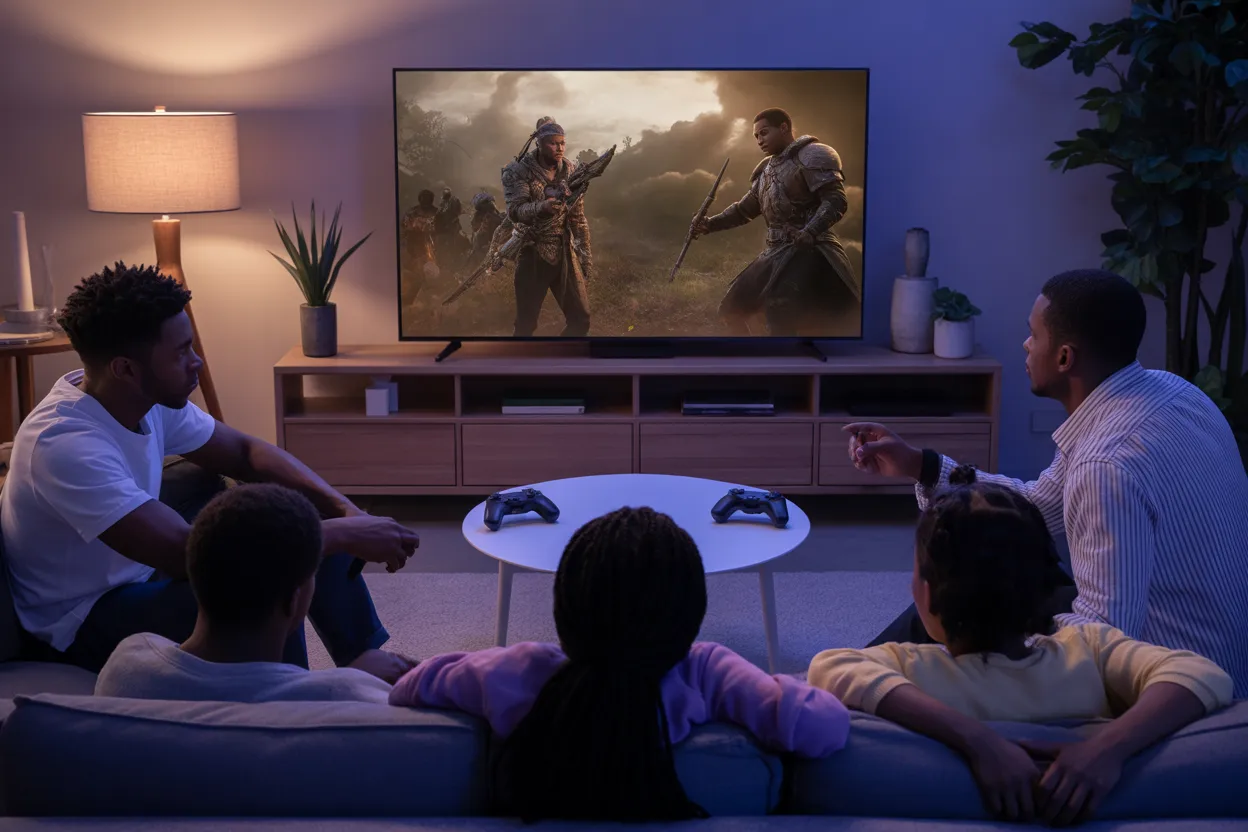
Adapting video games into linear media—like film or television—forces a shift from “player agency” to “thematic depth.” In a game, the story is driven by the player’s choices and actions. In a screen adaptation, writers must remove that interactivity and instead focus on expanding the characters’ internal motivations and the world’s lore to keep the audience engaged as passive observers. This allows for a deeper exploration of themes that might be overlooked during active gameplay.
How It Works
Video games are “interactive narratives.” A significant part of the storytelling happens through “emergent play”—the unique things a player does, like choosing a specific path or struggling through a difficult battle. When moving to a movie or TV show, this element is lost. The creator cannot rely on the “fun” of playing; they must rely on the “emotion” of the story.
To bridge this gap, successful adaptations often use “Prestige Television” techniques. They take small details from a game’s world—items, background notes, or minor characters—and expand them into full storylines. This is known as “Lore Expansion.” It rewards long-time fans with familiar references while providing enough context for new viewers to understand the stakes without having to pick up a controller.
This process also changes the “Perspective” of the story. In a game, the camera usually follows the protagonist 100% of the time because the player is the protagonist. In a show, the camera can leave the hero to show what the villains are doing, or to explore the history of the world. This “third-person” perspective allows for a more complex, multi-layered narrative than a single-player game might typically offer.
Real-World Implications
- Cross-Media Franchises: Video games are becoming the “new comic books”—the primary source of IP for Hollywood’s biggest productions.
- Demographic Expansion: Hit TV shows allow games to reach “non-gamers,” turning niche interactive stories into global cultural touchstones.
- Game Design Shifts: Knowing that a game might be adapted for TV, developers are increasingly focused on “cinematic” writing and performance capture during the game’s initial production.
Signals to Monitor
- Adaptation Quality: The critical and commercial success of game-to-screen projects compared to original scripts or book adaptations.
- A-List Talent Migration: High-profile actors, directors, and writers moving into game development or game-based TV projects.
- Transmedia Storytelling: Instances where events in a TV show are reflected in real-time updates to the original video game, creating a unified story world.
Comparison Table: Video Game Storytelling vs. Film & TV Adaptations
|
Category |
Video Game Storytelling | Film & TV Adaptations |
|---|---|---|
| Audience Role | Active participant (player agency). | Passive observer (linear narrative). |
| Story Driver |
Player choices and emergent gameplay. |
Character development and thematic depth. |
| Perspective | Often limited to protagonist’s viewpoint. | Multi-perspective, including villains and side characters. |
| Emotional Engagement | Built through interaction and challenge. | Built through performance, dialogue, and cinematic tension. |
| Lore Usage | Background details discovered optionally. | Expanded into central plotlines for broader audiences. |
| Pacing | Player-controlled progression. | Writer-controlled structure and pacing. |
| Accessibility | Requires gameplay skills and time investment. | Accessible to non-gamers and mainstream audiences. |
Final Thoughts
Turning video games into movies or television reshapes storytelling at its core. What was once interactive becomes interpretive. The thrill of controlling a character gives way to the power of watching one unfold.
But this isn’t a loss—it’s a transformation.
Adaptations allow creators to slow down and examine emotional arcs, hidden histories, and thematic depth that players may have rushed past during gameplay. At the same time, they introduce beloved worlds to entirely new audiences, expanding cultural reach beyond the gaming community.
As cross-media storytelling continues to grow, the most successful adaptations will not simply recreate gameplay—they will reinterpret it. The future belongs to stories that can live powerfully both in our hands and on our screens.
FAQs
1. Why do video game adaptations change storytelling styles?
Because games rely on player interaction, adaptations must replace gameplay engagement with deeper character development and thematic storytelling.
2. What is lost when a game becomes a movie or TV show?
Player agency and emergent storytelling are removed, meaning the audience can no longer influence outcomes or experience unique paths.
3. What is “lore expansion” in game adaptations?
Lore expansion involves taking small world-building details from a game and turning them into fully developed storylines for screen audiences.
4. Why are video games becoming popular source material for Hollywood?
Games offer rich worlds, established fan bases, and adaptable intellectual property that can support long-form storytelling.
5. Can adaptations improve the original story?
Yes. By shifting to a third-person perspective and exploring themes more deeply, adaptations can add narrative layers not fully explored during gameplay.