Soil and mulch play a crucial role in the health and productivity of garden beds. Healthy soil provides the essential nutrients, structure, and moisture retention that plants need to thrive. Meanwhile, mulch serves as a protective layer that helps regulate soil temperature, suppress weeds, and retain moisture.
Together, they create an optimal environment for plant growth, ensuring that your garden flourishes throughout the seasons. Understanding the symbiotic relationship between soil and mulch is vital for any gardener. Soil acts as the foundation for your plants, while mulch enhances that foundation by providing additional benefits.
When you invest time and effort into selecting the right soil and mulch, you are essentially setting the stage for a successful gardening experience. This foundational knowledge empowers you to make informed decisions that will lead to a vibrant and productive garden.
Key Takeaways
- Soil and mulch are essential for healthy garden beds as they provide nutrients, retain moisture, and suppress weeds.
- Different types of soil include sandy, clay, and loamy, while mulch options range from organic materials like wood chips and straw to synthetic options like rubber mulch.
- Consider factors like drainage, pH levels, and the specific needs of your plants when choosing the right soil and mulch for your garden beds.
- Prior to planting, ensure proper preparation of garden beds by removing weeds, loosening the soil, and adding compost or fertilizer as needed.
- Using mulch in garden beds offers benefits such as moisture retention, weed suppression, and insulation for plant roots.
Understanding Different Types of Soil and Mulch
When it comes to soil, there are several types to consider, each with its unique properties. Sandy soil drains quickly but may lack nutrients, making it less ideal for many plants. Clay soil, on the other hand, retains moisture but can become compacted, hindering root growth.
Loamy soil is often considered the gold standard for gardening, as it combines the best features of sand, silt, and clay, providing excellent drainage while retaining essential nutrients. Similarly, mulch comes in various forms, each offering distinct advantages. Organic mulches, such as wood chips, straw, or grass clippings, break down over time, enriching the soil with nutrients.
Inorganic mulches like gravel or landscape fabric provide long-lasting coverage but do not contribute to soil fertility. Understanding these differences allows you to select the most suitable options for your specific gardening needs.
How to Choose the Right Soil and Mulch for Your Garden Beds
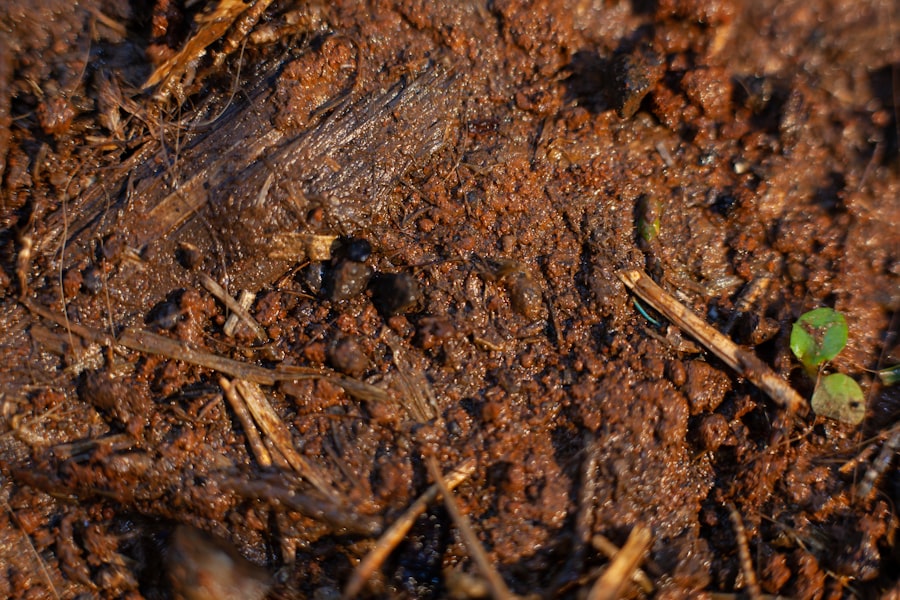
Choosing the right soil and mulch for your garden beds involves assessing your plants‘ needs and understanding your local climate. Start by considering the types of plants you want to grow. For instance, vegetables often thrive in nutrient-rich loamy soil, while succulents prefer well-draining sandy mixes.
Additionally, consider the moisture requirements of your plants; some may benefit from a thicker layer of mulch to retain moisture during dry spells. Another critical factor is your local climate. In regions with heavy rainfall, you may want to opt for soil that drains well to prevent waterlogging.
Conversely, in arid climates, selecting a mulch that retains moisture can be beneficial. By aligning your choices with both plant requirements and environmental conditions, you can create a thriving garden bed that meets all your gardening goals.
Tips for Preparing Garden Beds with Soil and Mulch
Preparing garden beds with the right soil and mulch requires careful planning and execution. Start by clearing the area of weeds and debris to create a clean slate for planting. Once cleared, assess the existing soil quality; if it’s compacted or lacking nutrients, consider amending it with organic matter such as compost or well-rotted manure.
This step is crucial as it improves soil structure and fertility. After preparing the soil, it’s time to apply mulch. A layer of 2-4 inches is generally recommended to achieve optimal benefits without suffocating the plants.
Spread the mulch evenly around your plants, ensuring it does not touch their stems to prevent rot. Regularly check the mulch layer throughout the growing season; replenishing it as needed will help maintain its effectiveness in moisture retention and weed suppression.
Benefits of Using Mulch in Garden Beds
The benefits of using mulch in garden beds extend far beyond aesthetics. One of the primary advantages is its ability to conserve moisture in the soil. By reducing evaporation rates, mulch helps keep the soil consistently moist, which is particularly beneficial during hot summer months when plants are most vulnerable to drought stress.
Additionally, mulch acts as a natural weed suppressant. By blocking sunlight from reaching weed seeds, it minimizes their growth and competition for nutrients with your plants. Furthermore, organic mulches break down over time, enriching the soil with nutrients that promote healthy plant growth.
This dual function of weed control and nutrient enhancement makes mulch an invaluable component of any successful garden bed.
Common Mistakes to Avoid When Using Soil and Mulch
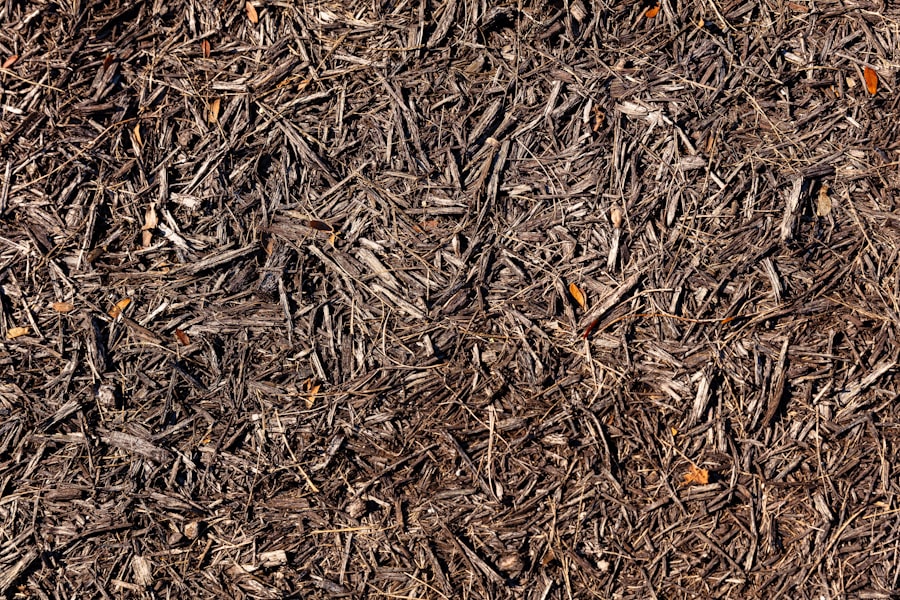
While using soil and mulch can significantly enhance your garden’s health, there are common pitfalls that many gardeners encounter. One frequent mistake is applying too much mulch; while a layer of 2-4 inches is ideal, excessive amounts can suffocate plant roots and create a habitat for pests. It’s essential to strike a balance that allows for adequate airflow while still providing the benefits of mulching.
Another common error is neglecting soil testing before planting. Without understanding your soil’s pH and nutrient levels, you may inadvertently choose inappropriate amendments or fertilizers that could harm your plants rather than help them. Regularly testing your soil ensures that you can make informed decisions about what to add or amend for optimal plant health.
Budget-Friendly Options for Soil and Mulch
Gardening doesn’t have to break the bank when it comes to sourcing quality soil and mulch. Many budget-friendly options are available that can still provide excellent results. For instance, consider creating your own compost from kitchen scraps and yard waste; this not only reduces waste but also provides nutrient-rich organic matter for your garden beds.
When it comes to mulch, look for local sources of organic materials such as wood chips from tree services or grass clippings from lawn maintenance companies. Many municipalities offer free or low-cost mulch from yard waste recycling programs. By exploring these options, you can significantly reduce costs while still enhancing your garden’s health.
Maintaining Healthy Garden Beds with Proper Soil and Mulch Management
Maintaining healthy garden beds requires ongoing attention to both soil and mulch management practices. Regularly check the moisture levels in your garden beds; if the top inch of soil feels dry, it’s time to water deeply to encourage root growth. Additionally, monitor your mulch layer throughout the growing season; replenishing it as necessary will ensure continued benefits in moisture retention and weed suppression.
Soil health should also be a priority; consider rotating crops each season to prevent nutrient depletion and reduce pest buildup. Incorporating cover crops during off-seasons can further enhance soil structure and fertility. By adopting these practices, you can create a sustainable gardening environment that supports healthy plants year after year.
In conclusion, understanding the importance of soil and mulch in garden beds is essential for any gardener looking to cultivate a thriving landscape. By choosing the right types of soil and mulch, preparing your garden beds thoughtfully, avoiding common mistakes, exploring budget-friendly options, and maintaining proper management practices, you can ensure that your garden remains healthy and productive for seasons to come.
FAQs About Soil and Mulch
What is the best type of soil for gardening?
Loamy soil is ideal because it balances drainage, moisture retention, and nutrient content.
How thick should mulch be in garden beds?
Apply 2–4 inches of mulch to retain moisture and suppress weeds without suffocating roots.
Can I use grass clippings as mulch?
Yes, grass clippings work as an organic mulch, but apply in thin layers to prevent matting.
Does mulch improve soil quality?
Yes, organic mulch breaks down over time, enriching soil with nutrients.
How do I maintain healthy soil and mulch over time?
Water deeply, replenish mulch as needed, test soil regularly, and use compost for enrichment.