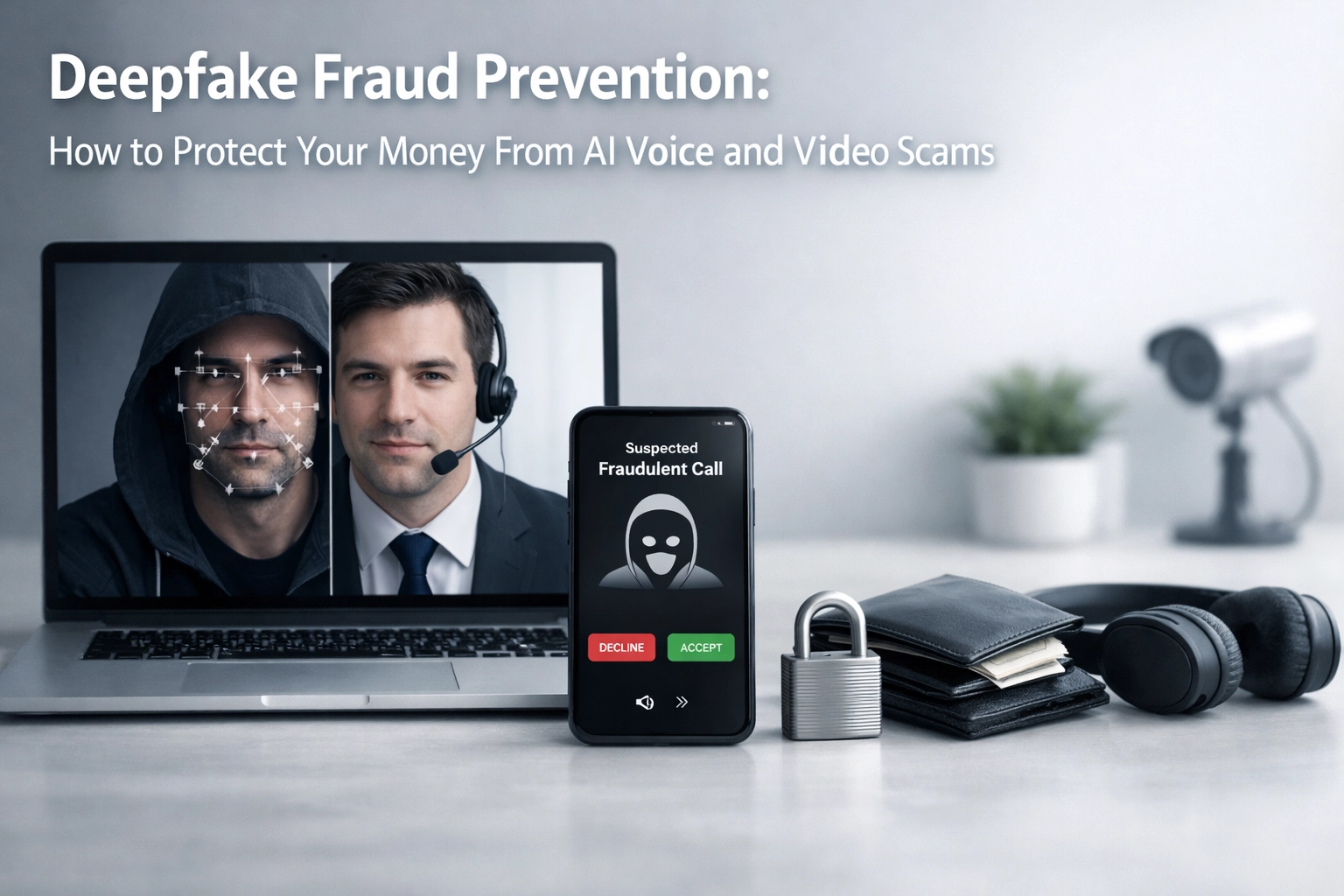
Can AI Voice Clones Drain Your Bank Account? Yes, and it’s happening right now. AI-powered deepfake technology can replicate your voice from a 3-second audio sample, clone your appearance from social media photos, and generate convincing video calls that look and sound exactly like you, or your family members. The financial damage is real: the FBI’s Internet Crime Complaint Center reported losses exceeding $12.5 billion from fraud in 2023, with deepfake-assisted scams representing the fastest-growing category.
Here’s the direct answer you need: protect yourself by establishing family safe words, using callback protocols for urgent requests, enabling multi-factor authentication on all financial accounts, and immediately reporting suspected deepfake fraud to the FTC and IC3. These four defenses form your frontline protection against AI voice and video scams targeting your money.
The New Face of Financial Fraud
I’ll be blunt, deepfakes aren’t some distant sci-fi threat. Last month, a Hong Kong finance worker transferred $25 million after a video conference call with what appeared to be the company’s CFO. The entire executive team on that call was AI-generated. Every face. Every voice. Complete fabrication.
You’re probably thinking, “That’s corporate fraud, not me.” But here’s what caught my attention: the same technology costs less than $50 and requires no technical expertise. Scammers are using it to impersonate your kids, your elderly parents, and your bank’s fraud department.
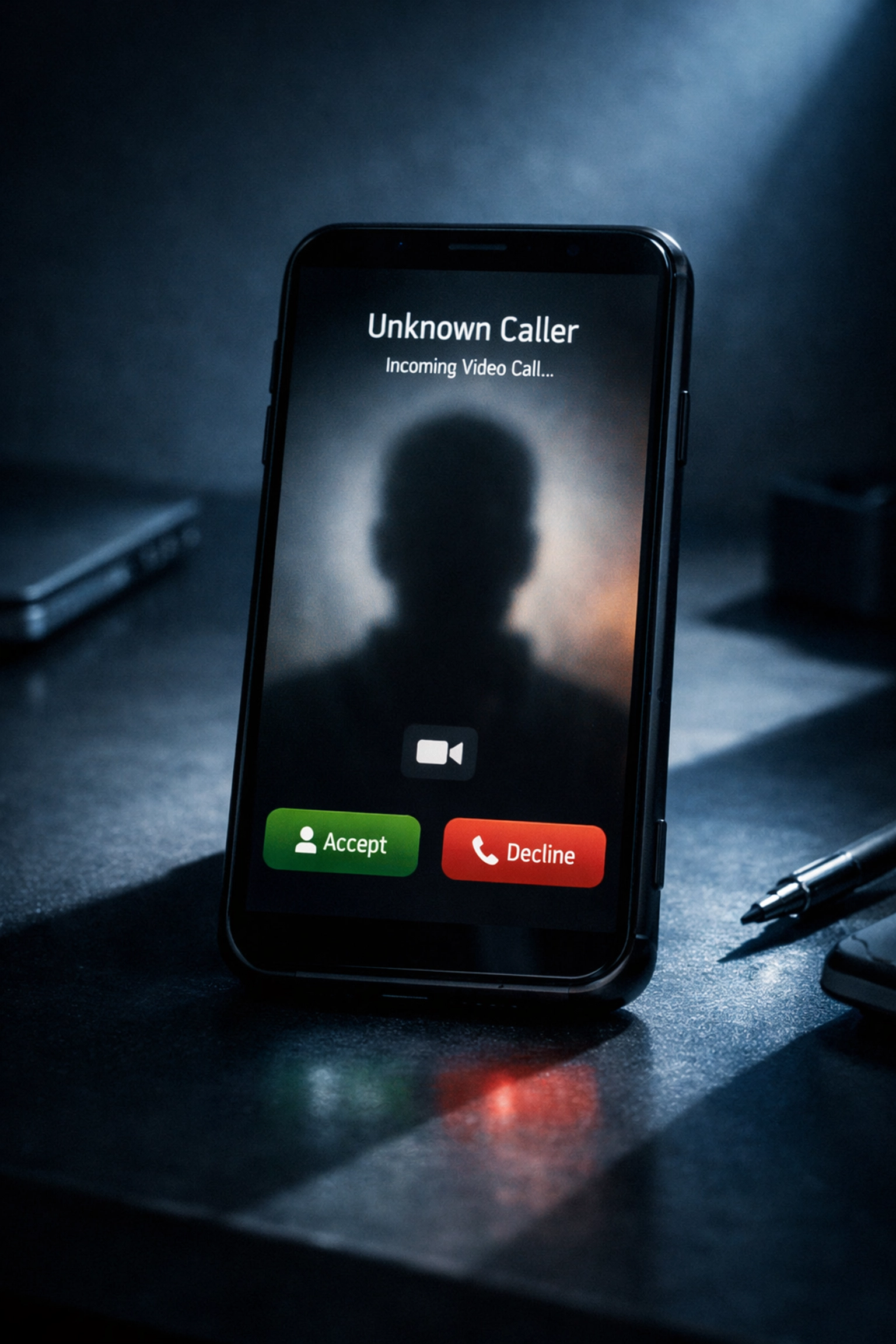
The most common scenario? You receive a panicked call from your daughter’s phone number. Her voice is shaking: “Mom, I’ve been in an accident. I need you to wire $5,000 right now for bail.” Except your daughter is safe at home, and that voice was generated using a 10-second TikTok video she posted last week.
How Deepfake Money Scams Actually Work
Let me walk you through the mechanics so you recognize the warning signs.
Voice cloning requires minimal audio, sometimes as little as 3 seconds from a voicemail, social media video, or YouTube clip. The AI analyzes vocal patterns, pitch, cadence, and emotional inflection. Within minutes, scammers can generate a phone call that sounds exactly like your family member in distress.
Video deepfakes work similarly but require more source material. Scammers scrape photos and videos from Facebook, LinkedIn, and Instagram to create a digital puppet. The technology now generates real-time video calls where the fake “person” responds to your questions with convincing facial expressions and head movements.
The “grandparent scam” 2.0 combines both. You receive a late-night video call from your grandson’s number. You see his face, hear his voice, and watch tears stream down his cheeks as he begs for emergency cash to get out of a foreign jail. The emotional manipulation is the same as the old phone scam, but now you have visual “proof.”
Your Immediate Defense: The Safe Word Protocol
Here’s your first line of defense, and it costs nothing: establish a family safe word today.
Choose something memorable but not obvious, not your dog’s name or “password123.” My family uses “pineapple pizza” because we had a ridiculous argument about it last Thanksgiving. When someone calls claiming to be in an emergency, you ask: “What’s our safe word?”
A real family member will know it. An AI clone will not.

Set up your safe word protocol this week:
- Schedule a family group text or call
- Choose one word or short phrase everyone can remember
- Test it quarterly to ensure nobody forgets
- Create a separate word for financial institutions if you share accounts with elderly parents
This single step blocks the vast majority of family emergency scams because AI cannot access information that exists only in verbal agreements between trusted people.
The Callback Rule (No Exceptions)
Let me be clear: you should never send money, transfer funds, or provide account information during the initial call or video chat, no matter how urgent it sounds.
Here’s your callback protocol:
Step 1: Hang up. I know it feels rude when your “boss” is on the line demanding immediate action, but real emergencies allow for 60-second verification.
Step 2: Call the person back using a number you have independently verified and saved in your contacts, not the number they called from.
Step 3: If you can’t reach them directly, contact another family member or colleague who can confirm their location and status.
Step 4: For alleged calls from banks or government agencies, hang up and call the official customer service number from the institution’s website, never the number provided by the caller.
I recognize this feels paranoid, but consider the alternative: A woman in Arizona lost $15,000 after a video call with her “grandson” who was supposedly being held by Mexican police. She could see his face. She heard him crying. The callback would have revealed he was actually in class at Ohio State.
Lock Down Your Financial Accounts
Your banking security needs an upgrade for the deepfake era. Here’s what matters:
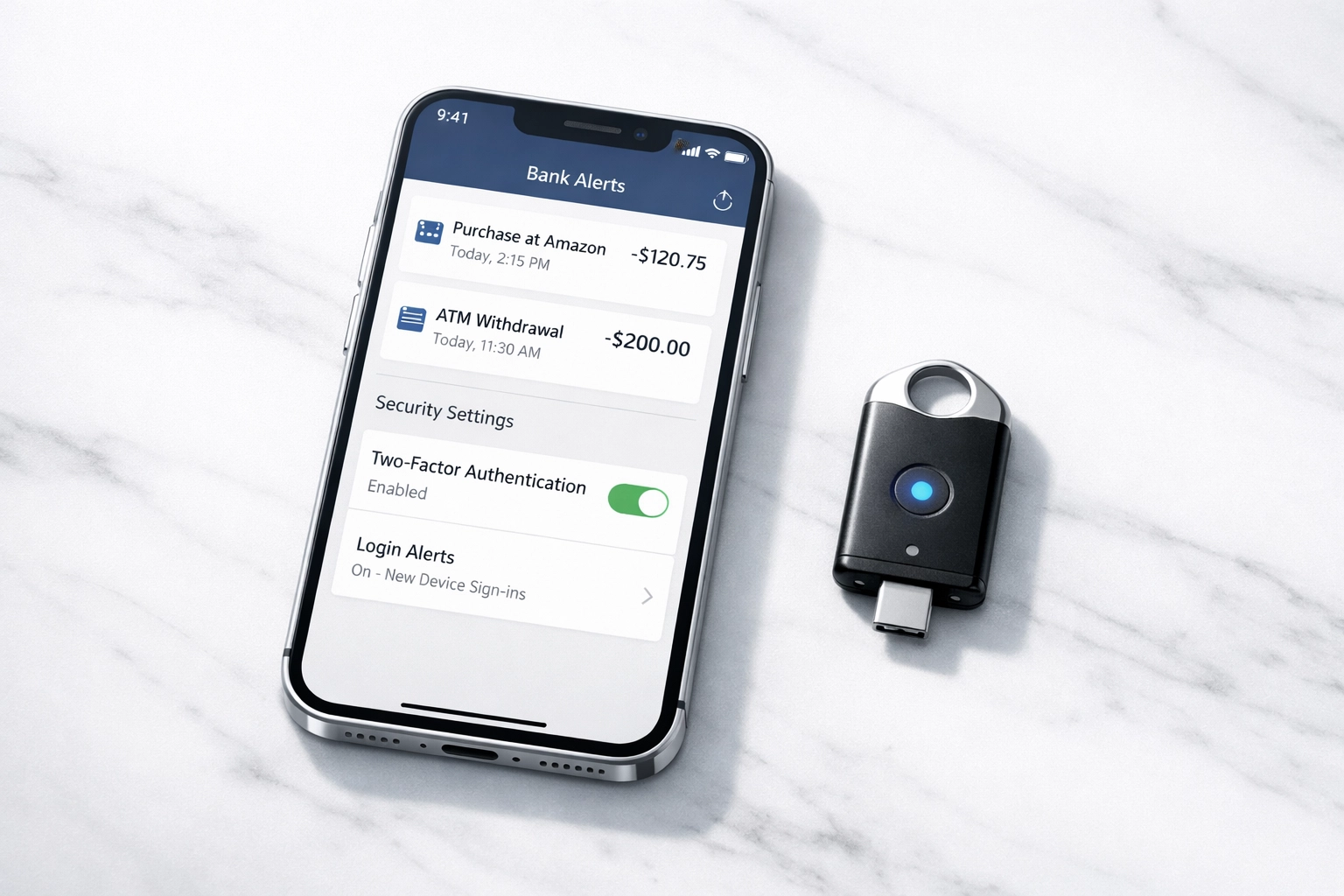
Enable multi-factor authentication (MFA) everywhere. Voice-only verification is no longer sufficient when AI can clone your voice. Require something you have (your physical phone, a security key) and something you know (password, PIN) for any financial transaction above your normal spending patterns.
Set up verbal passwords with your bank. Call your financial institutions and request a verbal password requirement for phone banking. This is different from your account PIN, it’s a word or phrase bank representatives must ask before processing large transfers or account changes.
Create transaction limits and alerts. Most banks allow you to set maximum daily transfer limits and real-time alerts for transactions above a certain threshold. Set these low enough that unusual activity triggers immediate notification to your phone.
Review account permissions quarterly. Remove authorized users you no longer need, disable outdated payment apps connected to your accounts, and revoke access to financial tools you’re not actively using.
The Credit Freeze Strategy
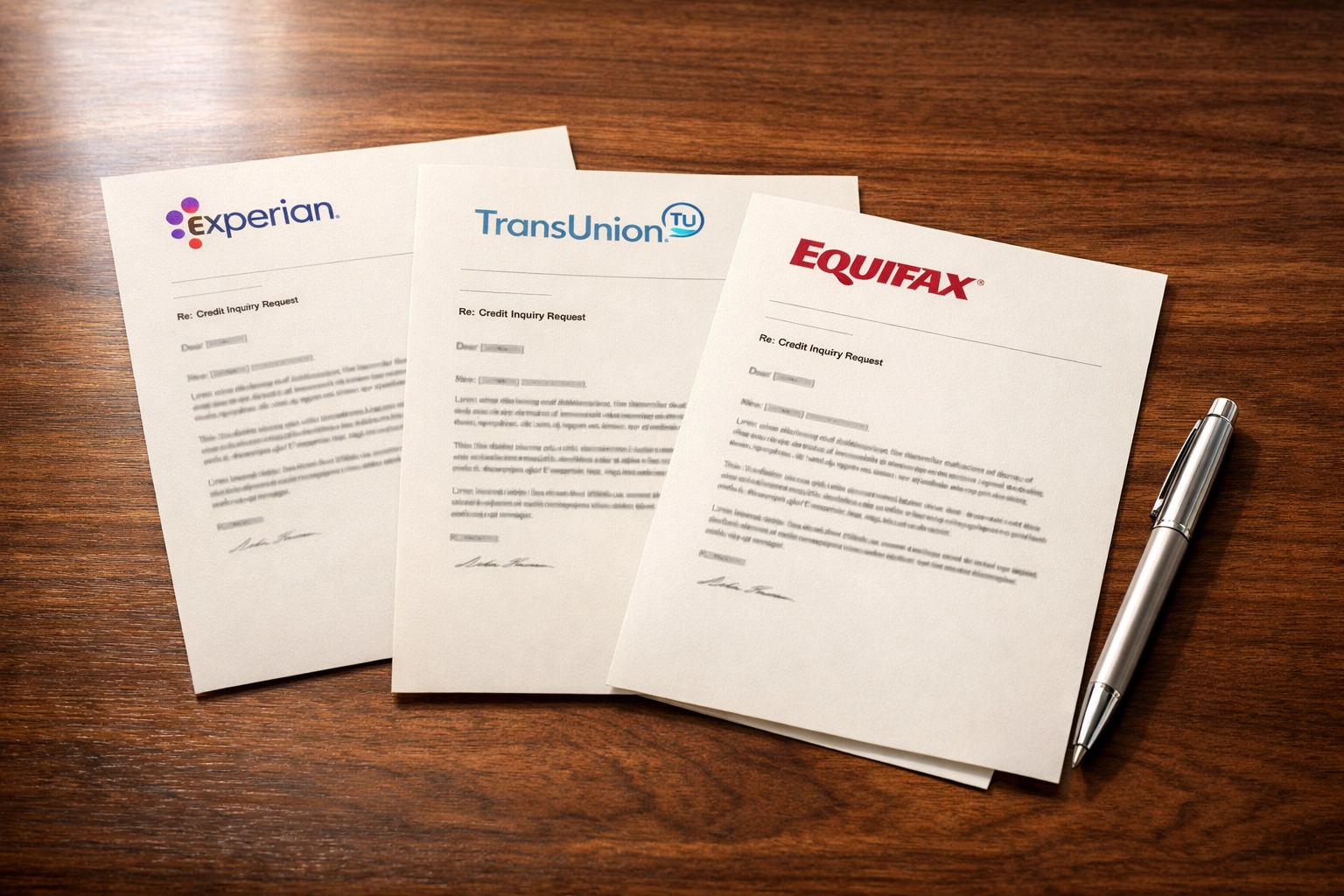
If you suspect someone has obtained enough personal information to impersonate you (Social Security number, date of birth, address), implement a credit freeze immediately.
Here’s what the freeze accomplishes: it blocks scammers from opening new credit cards, loans, or accounts in your name, even if they have convincing deepfake video “proof” of your identity at a bank branch.
Contact all three credit bureaus:
- Equifax: 1-800-349-9960
- Experian: 1-888-397-3742
- TransUnion: 1-888-909-8872
The freeze is free, instant, and you can temporarily lift it when you need to apply for legitimate credit. It doesn’t affect your credit score or existing accounts.
When to Report Deepfake Fraud
Don’t wait to see if money disappears before reporting suspicious activity. File reports immediately when:
- You receive emergency calls with urgent money requests (even if you didn’t comply)
- Someone impersonates you to access accounts or contact family members
- You discover unauthorized transactions after an AI-assisted scam
- You identify fake videos or audio recordings using your likeness
Federal Trade Commission (FTC): Report at ReportFraud.ftc.gov. The FTC tracks fraud patterns and can freeze accounts involved in scams.
Internet Crime Complaint Center (IC3): File at ic3.gov for FBI investigation. Include all evidence: call recordings, screenshots, transaction records, and communication logs.
Your bank’s fraud department: Call within 60 days of discovering unauthorized transactions to dispute charges under federal law.
Local police: File a report for identity theft to create an official record, which you’ll need for credit disputes and legal proceedings.
I know filing multiple reports feels like bureaucratic overkill, but each agency serves a different function. The FTC alerts other consumers, IC3 builds criminal cases, your bank recovers funds, and police reports provide legal documentation.
What About Detection Technology?
You’re probably wondering if there’s an app that identifies deepfakes for you. The honest answer: detection tools exist, but they’re racing against rapidly improving AI.
Several companies offer deepfake detection services that analyze facial movements, lighting inconsistencies, and unnatural blinking patterns. But here’s the reality, by the time detection software identifies a new deepfake technique, scammers have already developed more sophisticated methods.
For consumers, behavioral verification beats technical detection. The safe word protocol, callback rule, and account lockdowns protect you regardless of how convincing the deepfake becomes.
That said, if you’re hiring remote contractors or conducting high-stakes video negotiations, commercial detection services like Sensity AI or Deepware provide additional layers of analysis. Just don’t rely on them as your sole defense.
Teaching Your Family (Especially Parents)
Your elderly parents are the most vulnerable targets because they grew up in an era when seeing and hearing someone meant they were real. They need this conversation today, not after they’ve wired money to a fake grandchild.
Have the talk:
- Explain that AI can clone voices and faces
- Establish the safe word protocol together
- Write down the callback procedure and tape it next to their phone
- Set up transaction alerts you can both see
- Practice saying “no” to urgent money requests without guilt
The emotional manipulation is powerful. Scammers craft scenarios designed to trigger panic and override logical thinking. Role-playing the scenario in advance helps your parents recognize the red flags when stress hormones would normally shut down critical analysis.
Your Action Plan (Start Today)
Here’s exactly what to do this week:
Monday: Establish your family safe word and send a group text confirming everyone knows it.
Tuesday: Call your bank and set up verbal passwords, transaction limits, and real-time alerts.
Wednesday: Enable multi-factor authentication on every financial account and payment app.
Thursday: Review and update your contact list with verified phone numbers for all family members and institutions.
Friday: Have the deepfake fraud conversation with elderly parents or vulnerable family members.
This investment of 30 minutes per day for one week creates a security perimeter around your money that AI voice clones cannot breach.
FAQs
Can deepfakes bypass facial recognition on banking apps?
Some advanced deepfakes can challenge facial recognition systems. That’s why enabling multi-factor authentication is critical as a backup layer.
How can I tell if a video call is AI-generated?
Ask unexpected personal questions, request physical actions (like holding up a specific object), and hang up to call back using a verified number.
Should I delete social media to prevent voice cloning?
You don’t need to delete accounts, but adjust privacy settings to limit public access to long audio or video recordings.
What if my bank refuses to refund money lost to a deepfake scam?
File a written dispute within 60 days citing protections under the Electronic Fund Transfer Act. If denied, escalate to the Consumer Financial Protection Bureau.
Are deepfakes illegal?
Creating deepfakes is not automatically illegal, but using them for fraud, extortion, or identity theft violates federal and state laws.