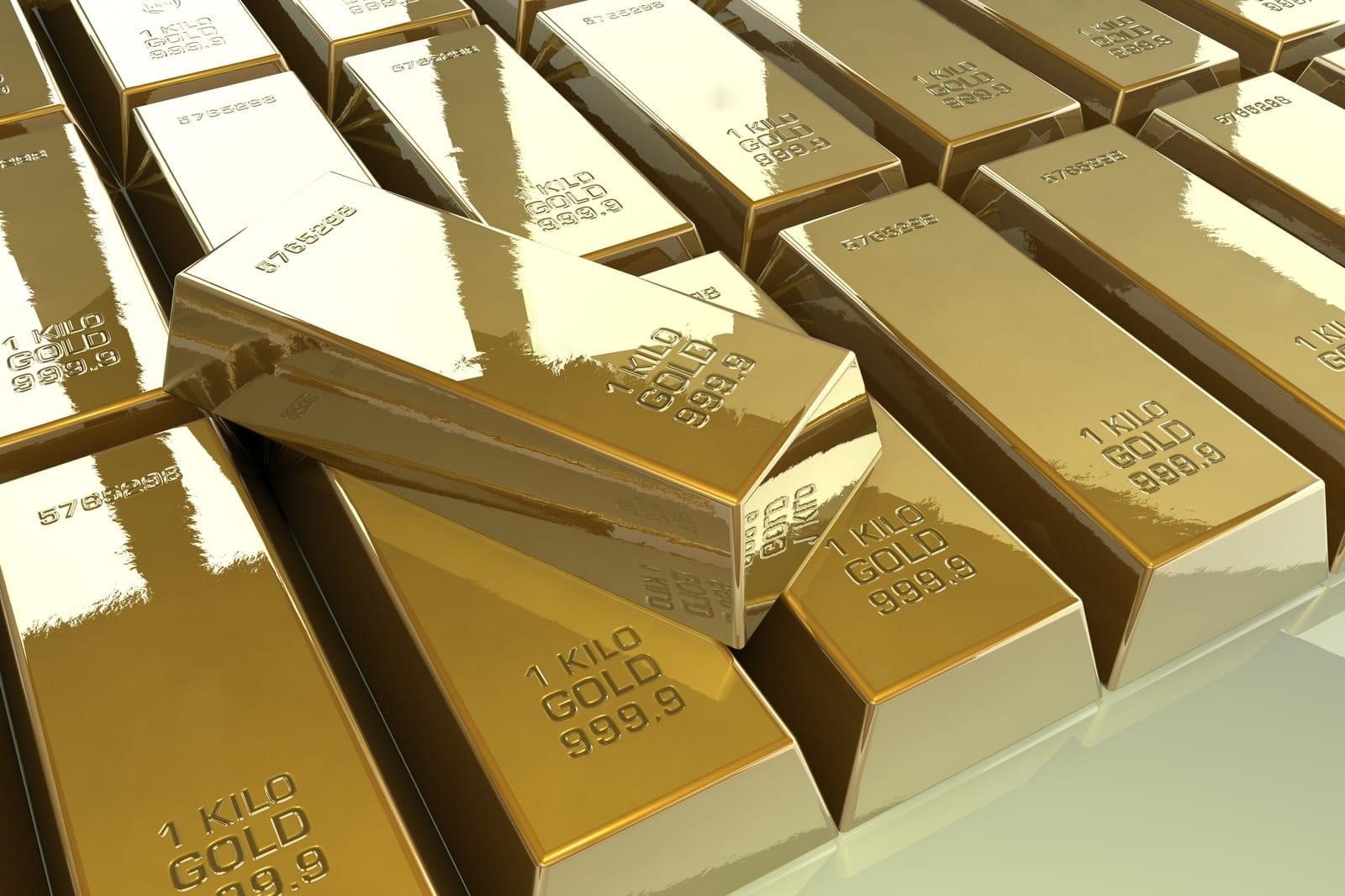
Gold has maintained a unique position in the global economy for thousands of years. It has been used as currency, a symbol of wealth, a component in jewellery and an important industrial material. Unlike many commodities, however, gold also plays a significant role as a store of value, attracting attention from investors and institutions during both stable and uncertain economic periods.
Understanding why gold becomes more or less valuable requires looking beyond its historical reputation. Its market price changes continuously according to supply and demand, economic expectations, monetary policy, currency movements and investor sentiment. Knowing how these elements interact can provide a clearer picture of what drives gold prices over time.
How the Price of Gold Is Determined
The international price of gold is primarily determined by trading activity in global financial markets, where buyers and sellers continuously establish a market value. Gold is generally quoted in US dollars per troy ounce, with one troy ounce equivalent to approximately 31.1 grams.
Anyone following the market can monitor the price of gold to see how its value changes over different periods. Looking at both short-term movements and longer historical trends can help put daily fluctuations into perspective and distinguish temporary volatility from broader market developments.
The price of physical gold can differ from the underlying market quotation. When purchasing coins or bars, for example, the final price may include costs associated with refining, manufacturing, distribution and retail margins. The premium paid above the underlying gold value can therefore vary depending on the product and market conditions.
Currency movements also matter. Because international gold prices are generally expressed in US dollars, changes in the exchange rate can affect how the metal is valued by buyers using euros, pounds or other currencies. An investor may therefore see a different return in their domestic currency even when the dollar-denominated gold price remains relatively stable.
The Main Factors That Influence Gold Prices
Interest rates are among the most closely watched factors in the gold market. Gold does not generate interest or dividends, so its relative attractiveness can change when the yields available from other assets rise or fall. When interest rates are high, holding a non-yielding asset can involve a greater opportunity cost. Conversely, lower rates can make gold relatively more attractive.
Inflation is another important consideration. Gold has traditionally been viewed as an asset capable of preserving purchasing power over long periods. However, the relationship between inflation and gold is not automatic. Investors also consider expectations about future inflation, central-bank policy and real interest rates when deciding how much exposure they want to the metal.
Economic and geopolitical uncertainty can influence demand as well. Financial crises, international conflicts and concerns about economic stability can encourage investors to seek assets perceived as relatively independent from individual companies or financial institutions. This can increase demand for gold and contribute to upward pressure on its value.
Central banks are another significant participant in the market. Many maintain gold as part of their official reserves, and changes in their buying or selling activity can influence global demand. Large institutional transactions may therefore become an important factor when assessing longer-term developments in the gold market.
Gold as a Long-Term Store of Value
Gold’s reputation as a store of value is closely connected to its physical characteristics. It is durable, scarce, divisible and relatively easy to recognise and trade. Unlike fiat currencies, its supply cannot simply be increased through a monetary policy decision. New production depends on mining activity, while a portion of existing gold can be recovered and recycled.
These characteristics helped gold maintain an important monetary role throughout history. Although modern currencies are no longer generally convertible into gold, the metal remains part of the international financial system. Its historical scarcity continues to support its appeal as a tangible asset.
This does not mean that gold is guaranteed to rise in value. Its market price can experience substantial declines, and there have been extended periods when investors received limited returns compared with other assets. Treating gold as a completely risk-free investment can therefore create unrealistic expectations.
Physical Gold and Financial Exposure
Investors can gain exposure to gold in several different ways. The most traditional approach is buying physical metal, such as bars or coins. Direct ownership can provide a tangible asset, but it also creates practical considerations involving storage, insurance, transportation and security.
Other approaches involve financial instruments designed to track the price of gold. These can make buying and selling easier and may eliminate some of the logistical challenges associated with physical ownership. At the same time, each instrument has its own structure, fees and risks, so the differences between them should be understood before making a decision.
The appropriate approach depends largely on an investor’s objectives and horizon. Someone interested in holding gold for decades may have very different priorities from someone attempting to benefit from short-term price movements. Liquidity, costs and the desired level of direct ownership can all influence the choice.
Why Market Trends Matter
Daily movements in gold prices can sometimes be dramatic, but focusing exclusively on short-term changes can make it difficult to understand the broader market. A longer-term perspective allows investors to identify trends and consider how different economic conditions have affected gold in the past.
Several indicators can be useful when analysing those trends. Interest rates, inflation expectations, currency movements, central-bank purchases and overall market confidence can provide important context. None of these factors can predict future prices on its own, but together they can help explain why market sentiment changes.
Volatility should also be taken into account. Gold does not necessarily move in a straight line when investors become more interested in it. Prices can rise quickly and subsequently retreat, just as periods of weakness can be followed by renewed demand. Understanding this characteristic is particularly important for anyone considering gold as part of a diversified portfolio.
The Role of Gold in a Diversified Portfolio
Gold is often considered alongside other asset classes because its market behaviour can differ from that of equities or fixed-income investments. For some investors, this makes it potentially useful as part of a broader diversification strategy rather than as a standalone investment.
The appropriate allocation depends on individual objectives, risk tolerance and time horizon. Gold can provide diversification, but it can also fluctuate significantly and does not produce regular income in the same way that certain financial assets do.
For anyone researching the market, the most useful starting point is therefore not simply asking whether gold will rise or fall. It is understanding the forces behind its price, observing how those forces interact and considering whether the characteristics of the metal match a particular financial strategy.
As economic conditions continue to change, the factors influencing gold will evolve as well. Interest rates, currencies, inflation expectations, central-bank policies and global demand will continue to shape the market, making the price of gold an indicator worth following over both short and extended periods.
FAQ
Why does the price of gold change?
The price of gold changes based on supply and demand, interest rates, inflation expectations, currency movements, central-bank activity and investor sentiment. Economic and geopolitical uncertainty can also affect demand for gold.
How is the price of gold determined?
Gold prices are established through trading in global financial markets. Gold is commonly quoted in U.S. dollars per troy ounce, with prices changing throughout the trading day as buyers and sellers react to market conditions.
What is the difference between the spot price of gold and the price of physical gold?
The spot price reflects the current market value of gold, while physical coins and bars typically cost more. The additional amount, known as a premium, can reflect refining, manufacturing, distribution and dealer costs.
Do interest rates affect gold prices?
Yes. Because gold does not pay interest or dividends, higher interest rates can increase the opportunity cost of holding it. Lower interest rates may make gold relatively more attractive, although many other market factors can influence prices at the same time.
Is gold a good hedge against inflation?
Gold has historically been viewed as a long-term store of value, but its price does not always rise when inflation increases. Real interest rates, monetary policy, currency movements and investor expectations can all affect how gold performs during inflationary periods.
Why do investors buy gold during uncertain economic periods?
Some investors view gold as a way to diversify their holdings during financial, economic or geopolitical uncertainty. Demand can increase when investors become concerned about currencies, financial markets or broader economic stability.
Is physical gold better than investing in gold through financial products?
Neither approach is automatically better. Physical gold provides direct ownership but may involve storage, security and insurance costs. Financial products that track gold can be easier to trade but may involve fees and other investment-specific risks.
Can gold lose value?
Yes. Gold prices can fall significantly and can remain below previous highs for extended periods. Although gold has a long history as a store of value, it should not be considered a risk-free investment.
AskTheMoneyCoach Staff is the collective byline for our editorial team. Founded by Lynnette Khalfani-Cox, The Money Coach®, and Earl Cox, AskTheMoneyCoach.com publishes practical, research-informed guidance on credit, debt, saving, consumer protection, and everyday money decisions. Our work follows the site’s editorial standards and helps readers understand their options and make informed choices.