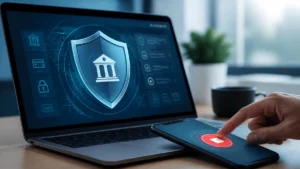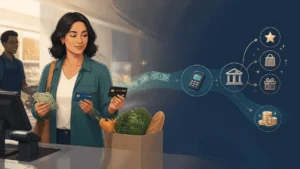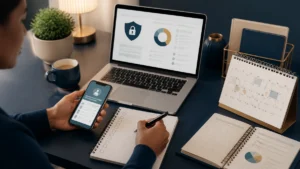
Financial security is not just about how much you earn or how well you invest. It is also about how effectively you protect what you already have. In an era where digital transactions are the norm and communication is constant, the threats to your hard earned money have become more sophisticated than ever.
Welcome to Avoid This Scam™, a new editorial series from Ask The Money Coach. Our goal is to provide you with the tools, knowledge, and confidence to navigate the modern financial landscape without falling victim to fraud. Whether it is a suspicious text message, a too good to be true investment opportunity, or a sophisticated AI impersonation, we are here to help you spot the danger before it costs you a dime.
The Mission of Avoid This Scam™
The mission of this series is simple: to help consumers recognize, avoid, and recover from financial scams. We believe that education is the most powerful defense against fraud. By understanding the techniques and psychological triggers that scammers use, you can transform from a potential target into an informed and difficult to scam consumer.
At Ask The Money Coach, we have always focused on helping you build wealth through practical advice on everything from long-term wealth mindsets to insurance as financial protection. The Avoid This Scam™ series is the next step in that commitment. We want to establish a permanent, growing knowledge hub where you can find clear, non-technical explanations of current fraud trends and actionable steps for your security.
The Major Categories of Financial Scams
Scams come in many forms, but most fall into a few primary categories. Understanding these buckets helps you identify patterns even when the specific story changes.
- Impersonation and Government Scams: A caller or texter claims to be from a well-known organization like your bank, the IRS, or a tech support company. They often claim there is a problem with your account that requires immediate action.
- Investment and Cryptocurrency Fraud: These scams promise high returns with little to no risk. They often involve complex jargon or “exclusive” opportunities in stocks, real estate, or digital assets.
- Romance and Relationship Scams: A scammer builds an emotional connection with you over time through social media or dating apps, eventually asking for money to help with a fictional emergency.
- Phishing and Smishing: These are unsolicited emails or text messages designed to trick you into clicking a link or providing sensitive data like your social security number or bank login.
- Advance Fee Scams: You are told you have won a prize, lottery, or inheritance, but you must pay a “processing fee” or “tax” upfront to claim it.
- Grandparent or Family Emergency Scams: A scammer poses as a relative in distress, often using urgency and secrecy to pressure you into sending money quickly.
Why Scams Keep Evolving
Scammers are professional manipulators who adapt as quickly as technology does. Understanding why they change helps you stay one step ahead.
The Rise of Artificial Intelligence
AI has changed the game for fraudsters. They can now use voice cloning technology to mimic the voice of a loved one in a “family emergency” call. They use large language models to write perfectly grammatical, professional-looking emails that lack the typical “red flags” like spelling errors. AI models and AI agents are becoming tools for both productivity and, unfortunately, highly targeted social engineering.
Social Engineering and Psychology
Scams succeed because they target human emotions like fear, greed, or the desire to help others. By creating a sense of “calm urgency” or a “once in a lifetime” pressure, they bypass our logical thinking. They know that if they can get you to act before you think, they have already won.
Authorized Push Payments
As banks improve their internal security, scammers have shifted toward “authorized push payments.” Instead of hacking your account, they trick you into sending the money yourself via wire transfer, crypto, or payment apps. Because you authorized the transaction, it is often much harder to get your money back.
Common Warning Signs: Your Safety Checklist
While every scam is different, almost all share a few core behavioral patterns. Use this checklist whenever you receive an unexpected request for money or information.
🚩 RED FLAG: The Pressure Tactic
If someone tells you that you must act “right now” to avoid arrest, an account closure, or a lost opportunity, it is almost certainly a scam. Legitimate businesses and government agencies will always give you time to verify information.
- Unusual Payment Methods: Be wary if you are asked to pay via gift cards, wire transfer, cryptocurrency, or peer-to-peer payment apps. These methods are like cash: once they are gone, they are gone.
- Requests for Secrecy: If a caller tells you “not to tell your bank” or “not to tell your spouse,” they are trying to isolate you from people who might recognize the scam.
- Asking for Sensitive Data: Your bank will never call you and ask for your full password, your PIN, or a one-time login code that was sent to your phone.
- Unsolicited Contact: Be skeptical of any “out of the blue” phone call, text, or email, even if it looks like it comes from a number you recognize.
✅ TRUST CHECK: The Independent Verification
Always “Go to the Source.” If your bank supposedly calls you about fraud, hang up. Find the number on the back of your actual debit card or your last paper statement and call them back yourself. Never use a number provided by the caller.
How ATMC Evaluates Scams
In the Avoid This Scam™ series, we follow a strict editorial policy to ensure we provide the most helpful, objective information possible. We do not engage in investigative reporting or “naming and shaming” individual companies without legal proof. Instead, our approach focuses on:
- Pattern Recognition: We analyze the techniques used in current fraud reports to help you see the “skeleton” of the scam.
- Generic Examples: To keep the focus on education, we use generic examples like “a fake shipping notification” or “a fraudulent investment portal” rather than naming specific brands.
- Authoritative Sources: We base our warnings on official data from the Federal Trade Commission (FTC), the FBI’s Internet Crime Complaint Center (IC3), and the Consumer Financial Protection Bureau (CFPB).
- Practical Steps: Every article we publish will include a clear path for prevention and recovery.
How to Use This Series
We recommend you bookmark the Avoid This Scam™ series as a regular reference. The fraud landscape changes quickly, and we will be updating this hub with new articles on specific techniques as they emerge.
- Bookmark and Share: Use these articles to start conversations with family members, especially older relatives or young adults who may be targeted by different types of fraud.
- Submit a Scam: If you have encountered a suspicious offer or message and want to know how it works, you can contact us to suggest it for a future article. We use reader submissions to help guide our editorial calendar.
- Internal Knowledge: This pillar article links to more specific guides on topics like romance scams, crypto fraud, and the psychology of scams. Explore the connected articles to build your “fraud immunity.”
Your Financial Recovery Roadmap
If you believe you have already shared information or sent money to a scammer, take these steps immediately. Do not feel ashamed: scammers are professionals, and it can happen to anyone.
- Stop Communication: Break off all contact with the suspected scammer. Do not tell them you know it is a scam: just stop responding.
- Contact Your Bank: If money was moved or your account details were shared, call your bank’s fraud department immediately. They may be able to stop a pending transaction or secure your account.
- Freeze Your Credit: Contact the three major credit bureaus (Equifax, Experian, and TransUnion) to place a freeze on your credit report. This prevents scammers from opening new accounts in your name.
- Update Your Passwords: Change the passwords for your email, bank accounts, and any other sensitive sites. Enable two-factor authentication (2FA) wherever possible.
- Document Everything: Keep copies of emails, texts, and transaction receipts. These will be helpful when you file an official report.
Where to Report Fraud
Reporting a scam helps authorities track patterns and prevent others from becoming victims.
- FTC: Report fraud, scams, and bad business practices at ReportFraud.ftc.gov.
- FBI: For online or internet-enabled crimes, file a complaint with the Internet Crime Complaint Center at IC3.gov.
- Identity Theft: If your personal information was stolen, visit IdentityTheft.gov for a customized recovery plan.
Frequently Asked Questions
How can I tell if a phone call is really from my bank?
A legitimate bank will never call you and ask for your PIN, password, or a one-time code. If you are unsure, hang up and call the number printed on the back of your physical bank card.
Are all cryptocurrency investments scams?
No, but the crypto space is filled with fraudulent platforms. Legitimate opportunities will not promise “guaranteed” high returns or pressure you to move money into a private wallet you do not control.
What is “voice cloning” and how do I spot it?
Scammers use AI to mimic the voice of a family member. If you get a call from a loved one asking for money in an emergency, hang up and call them back on their known phone number or use a “family safe word” to verify their identity.
Can I get my money back if I paid a scammer with a gift card?
It is extremely difficult. Gift cards are treated like cash. However, you should still contact the company that issued the gift card immediately to see if the funds have been spent.
Why do scammers want me to stay on the phone?
They want to keep you in a state of high emotion and prevent you from talking to a friend, family member, or bank official who might realize what is happening.
Is it safe to click links in text messages from shipping companies?
If you aren’t expecting a package, do not click the link. If you are, go directly to the official carrier’s website and enter your tracking number there instead.
Does a “verified” social media profile mean an investment is safe?
No. Scammers often hack verified accounts or create very realistic impersonation profiles to lend an air of legitimacy to their fraudulent schemes.
Should I pay a fee to claim a prize I won?
No. Real prizes do not require you to pay “taxes” or “processing fees” upfront. If you have to pay to get a prize, it is a scam.
Can scammers see what is on my computer if I click a link?
Some links can download malware that allows remote access. If you suspect your computer is compromised, disconnect from the internet and run a full security scan with trusted antivirus software.
What should I do if I already gave a scammer my Social Security number?
Visit IdentityTheft.gov immediately. You will need to monitor your credit report closely and may need to place a long term fraud alert on your file.
Why are older adults targeted more often?
Scammers often assume older adults have more accumulated wealth and may be less familiar with certain digital security practices, though people of all ages fall for scams every day.
How do I submit a scam for ATMC to look into?
You can reach out via our contact page. While we cannot provide individual legal or investigative services, your experience helps us choose which topics to cover in our educational guides.
Avoid This Scam™ is the consumer protection and scam awareness desk of AskTheMoneyCoach.com. We help readers recognize, avoid, and respond to financial scams, fraud, identity theft, deceptive business practices, and online threats.
Our coverage includes scam alerts, fraud prevention strategies, consumer advocacy, practical safety guides, and expert analysis designed to help individuals and families protect their money, personal information, and financial well-being. We also explain what to do if you’ve already been targeted, because knowing how to respond can be just as important as avoiding a scam in the first place.