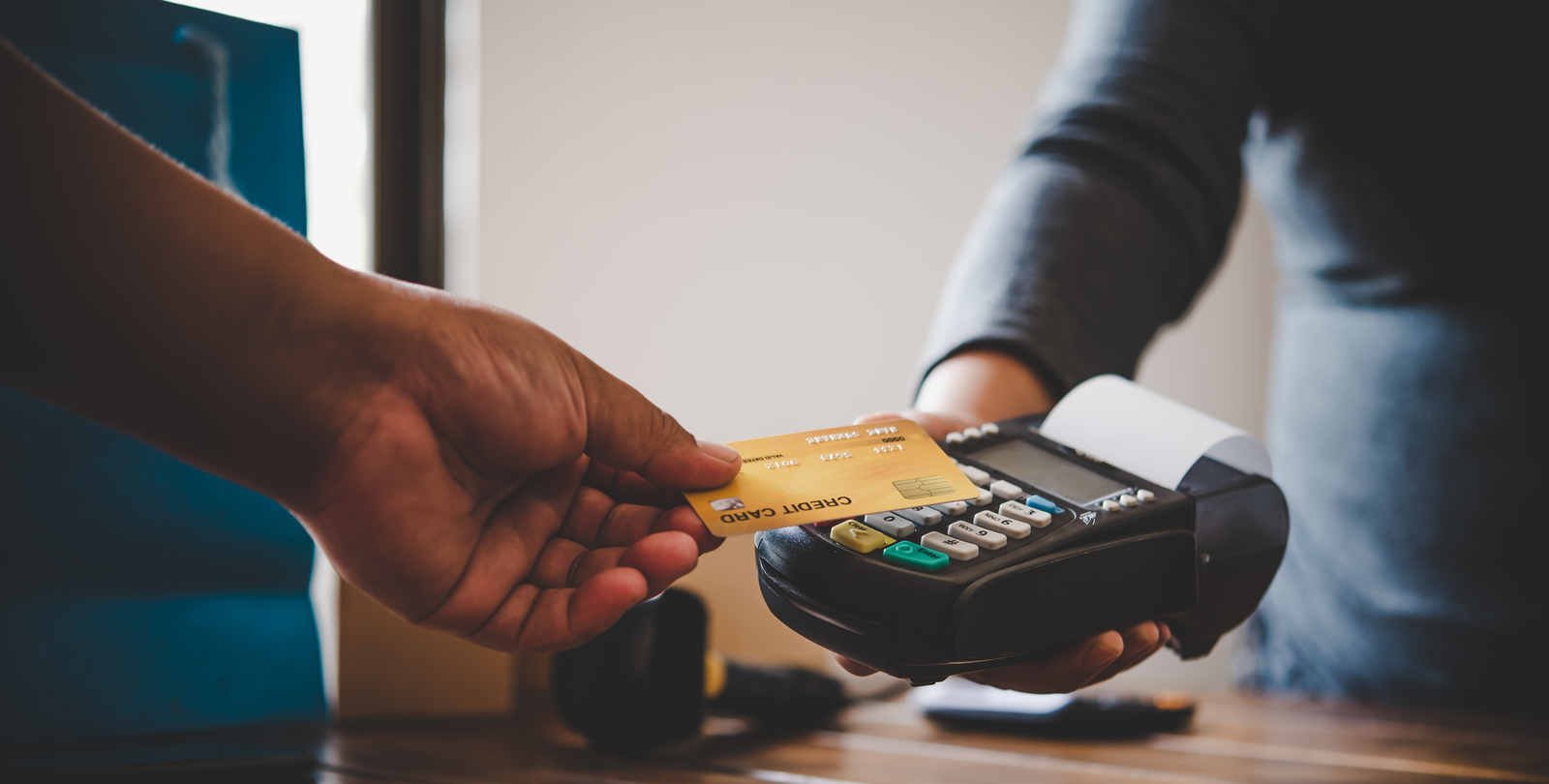
Credit card surcharges are on the rise, and you need to be aware of these extra fees being tacked onto your purchases by some merchants. “The pandemic has been a factor. So many businesses struggled just to survive. As a result, we saw – and continue to see – increased prices and added fees,” explains Lynnette Khalfani-Cox, The Money Coach.
These fees, which are generally 2-4% of your total bill, help offset the fees merchants pay to accept credit cards. Look for signs at checkout counters and on receipts to see if a surcharge is being applied. Be proactive in asking staff about fees to avoid surprises. Paying with cash, debit, or a no-fee card may help you avoid fees. Doing the math on rewards earned versus fees paid is key when deciding which card to use.
While some consumers complain about credit card surcharges, most merchants don’t want to discourage plastic use. “Business owners know that customers prefer the convenience of paying with plastic,” says Beverly Harzog of U.S. News and World Report. Support transparency regulations in your state and consider respectfully approaching merchants about bothersome fees.
Though frustrating, surcharges likely aren’t disappearing anytime soon. Being an informed consumer by watching for fee notifications and calculating costs is your best bet for minimizing the impact. To learn more, check out the original article here: What is a Credit Card Surcharge and How Can it be Avoided

AskTheMoneyCoach.com is a financial education and coaching company that aims to empower individuals with the knowledge and skills they need to achieve their financial goals. Founded by Lynnette Khalfani-Cox, a personal finance expert and Earl Cox, a book agent and publisher, AskTheMoneyCoach.com offers a range of services, including one-on-one coaching, online courses, books, and speaking engagements. Articles and services mentioned under the AskTheMoneyCoach byline are not written or endorsed by Lynnette Khalfani-Cox.