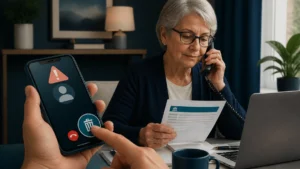
fake toll messages are one of the fastest-growing mobile phishing scams targeting drivers in the United States. These scam texts claim you owe a small unpaid toll fee and pressure you to click a payment link immediately.
Many people fall for these messages because they look real and use the names of trusted toll agencies like E-ZPass, SunPass, FasTrak, or TxTag. In this guide, you will learn how these scams work, how to spot warning signs, and what steps to take to protect your money and identity.
Key Takeaways
- fake toll messages use urgent language to pressure people into quick payments.
- Most toll agencies do not request initial payments through random text links.
- Scammers copy real toll company logos and websites to steal information.
- Common scams include EZ Pass scam text alerts and SunPass fake messages.
- Never click links in suspicious toll payment texts.
- Verify toll balances only through official toll authority websites or apps.
- Report fraudulent toll alerts to your carrier and the Federal Trade Commission.
What Are fake toll messages?
fake toll messages are phishing texts designed to trick drivers into sharing sensitive information. These scams usually claim you owe a small toll fee, often between $3 and $15, and threaten penalties if you do not pay immediately.
Cybercriminals use these messages in large-scale smishing toll scams. “Smishing” is a type of phishing attack sent through SMS text messages instead of email.
How These Scam Texts Usually Work
A typical toll text scam follows a simple pattern:
- You receive a text claiming you missed a toll payment.
- The message includes a fake payment link.
- The site asks for your credit card number, address, or driver’s license details.
- Scammers steal your information for fraud or identity theft.
Some fraudulent toll alerts even copy the design and branding of real toll agencies. This makes the scam harder to recognize at first glance.
Why Scammers Use Small Dollar Amounts
Most fake road toll notifications demand a very small payment. Scammers know people are more likely to pay $6 quickly instead of questioning it.
The message may also threaten:
- Late fees
- Vehicle registration suspension
- License suspension
- Legal action
This sense of urgency is a major text scam red flag.
Why Do fake toll messages Matter?
These scams are not harmless annoyances. They can lead to stolen money, identity theft, and hacked financial accounts.
According to the Federal Communications Commission, scammers are increasingly targeting mobile users with phishing texts that impersonate trusted organizations.
The Financial Risks
If you enter your payment information on a fake website, scammers may:
- Charge your credit card
- Sell your information online
- Open accounts in your name
- Use your identity for fraud
Victims often discover additional unauthorized charges days or weeks later.
The Personal Data Risks
Some fake toll messages ask for:
- Driver’s license numbers
- Social Security numbers
- Home addresses
- Bank account details
This information can be used for long-term identity theft.
Why These Scams Keep Growing
Mobile phishing scams continue to rise because:
- Most people read texts quickly
- Phones create a sense of urgency
- SMS filters are less effective than email filters
- Toll roads are common in many states
Scammers also rotate names like:
- EZ Pass scam text
- SunPass fake messages
- TxTag phishing texts
- FasTrak payment alerts
How Can You Spot fake toll messages?
Learning how to spot fake toll texts is the best way to avoid becoming a victim.
Watch for These Common Red Flags
Here are the biggest warning signs:
| Scam Warning Sign | Why It’s Suspicious |
|---|---|
| Urgent threats | Real toll agencies rarely threaten immediate suspension by text |
| Strange links | Fake URLs may contain random letters or misspellings |
| Generic greetings | Messages often avoid using your real name |
| Small payment demands | Scammers use low amounts to reduce suspicion |
| Requests for personal info | Legitimate toll agencies rarely ask for sensitive data through text |
Check the Website Carefully
Many toll payment scam warning texts link to websites that look official. Before clicking:
- Look for spelling errors in the domain name
- Avoid shortened links
- Check whether the site uses the official agency URL
- Search for the agency independently instead of using the text link
For example, scammers may imitate:
- E-ZPass
- SunPass
- FasTrak
- TxTag
But the actual website address may be completely different.
Be Careful With Unexpected Texts
If you do not regularly use toll roads, an unpaid toll notice should raise suspicion immediately.
Even if you do use toll roads, you should still verify toll payment messages independently.
How Should You Verify Toll Payment Messages Safely?
The safest approach is to ignore the text and verify your account directly through official channels.
Step-by-Step Protection Guide
1. Do Not Click the Link
Never tap the link inside suspicious toll texts.
Even visiting the site may expose your device to security risks.
2. Visit the Official Toll Website Yourself
Type the toll agency website directly into your browser.
For example:
- Visit the official E-ZPass site
- Log into your SunPass account
- Access TxTag through the official Texas transportation portal
Do not rely on links inside text messages.
3. Check Your Account Activity
Look for:
- Unpaid balances
- Violation notices
- Recent toll transactions
If nothing appears in your account, the text is likely fake.
4. Contact the Toll Agency Directly
Use the customer service number listed on the official website.
Avoid numbers included in suspicious texts.
What Are Real Examples of toll text scams?
Scammers constantly update their tactics, but most fake toll messages follow familiar patterns.
Example of a Suspicious Toll Text
“Final Notice: You owe $6.82 for an unpaid toll violation. Pay immediately to avoid license suspension.”
This message contains several text scam red flags:
- Urgency
- Threats
- Small payment amount
- Suspicious link
Comparison Between Real and Fake Toll Messages
| Real Toll Notice | Fake Toll Message |
|---|---|
| Sent through official accounts or mail | Sent from random numbers |
| Uses verified websites | Uses suspicious URLs |
| Includes account details | Generic message |
| Offers customer support | Pushes immediate payment |
| Rarely threatens instantly | Uses fear and urgency |
Why These Scams Look Convincing
Scammers copy:
- Logos
- Brand colors
- Official language
- Toll agency names
This is why many people mistake fraudulent toll alerts for legitimate notices.
What Mistakes Should You Avoid With fake toll messages?
Many victims make the same avoidable mistakes.
Clicking the Link Too Quickly
People often react without thinking because the payment amount is small.
Always pause before interacting with unexpected texts.
Trusting Caller ID or Agency Names
Scammers can spoof names and numbers. A message labeled “SunPass” or “E-ZPass” may still be fake.
Sharing Too Much Information
Never provide:
- Social Security numbers
- Driver’s license details
- Bank account information
- Debit card PINs
Legitimate toll agencies usually do not request this information by text.
Ignoring Security Warnings
Modern phones often flag suspicious links. Do not bypass these alerts.
How Can fake toll messages Affect You Long-Term?
The effects of a toll text scam can last far beyond the original payment request.
Identity Theft Problems
Once scammers obtain personal information, they may:
- Open loans
- Apply for credit cards
- Access online accounts
- Commit tax fraud
Recovering from identity theft can take months or years.
Ongoing Scam Targeting
Responding to one scam can make you a future target. Criminal groups often share active phone numbers with other scammers.
Emotional Stress
Victims may experience:
- Anxiety
- Financial stress
- Credit monitoring costs
- Fear of future scams
Preventing mobile phishing scams early is far easier than fixing the damage later.
What Should You Do If You Already Clicked the Link?
If you interacted with a scam text, act quickly.
Immediate Steps to Take
- Contact your bank or credit card company.
- Freeze or replace compromised cards.
- Change passwords connected to financial accounts.
- Monitor transactions for suspicious activity.
- Report identity theft concerns immediately.
Report the Scam
You can:
- Use your phone’s “Report Spam” feature
- Forward the text to 7726 (SPAM)
- File a report with the Federal Trade Commission
Fast action can reduce the damage.
Conclusion: How Can You Stay Safe From fake toll messages?
fake toll messages are designed to create panic and trick people into making rushed decisions. These scams may look convincing, but the warning signs are usually easy to spot once you know what to watch for.
The best protection is simple:
- Never click suspicious toll payment links
- Verify toll notices independently
- Report scam texts immediately
- Protect your personal information carefully
As toll text scams continue to spread, awareness remains your strongest defense.
FAQs
Are fake toll messages common now?
Yes. Smishing toll scams have increased nationwide because scammers know many drivers use electronic toll systems regularly.
Can a real toll agency send payment texts?
Some toll agencies may send account alerts, but they usually do not demand urgent payment through random text links.
What happens if I click a fake toll link?
Scammers may steal your payment information, personal data, or login credentials. In some cases, malware may also be installed.
How do I verify toll payment messages safely?
Visit the official toll agency website directly by typing the address into your browser instead of clicking links in texts.
Should I reply to a toll text scam?
No. Do not reply, click links, or engage with the sender. Report the message as spam and delete it.
This article is part of our Avoid This Scam series, published by AskTheMoneyCoach.com to help you spot and avoid financial fraud.
Avoid This Scam™ is the consumer protection and scam awareness desk of AskTheMoneyCoach.com. We help readers recognize, avoid, and respond to financial scams, fraud, identity theft, deceptive business practices, and online threats.
Our coverage includes scam alerts, fraud prevention strategies, consumer advocacy, practical safety guides, and expert analysis designed to help individuals and families protect their money, personal information, and financial well-being. We also explain what to do if you’ve already been targeted, because knowing how to respond can be just as important as avoiding a scam in the first place.