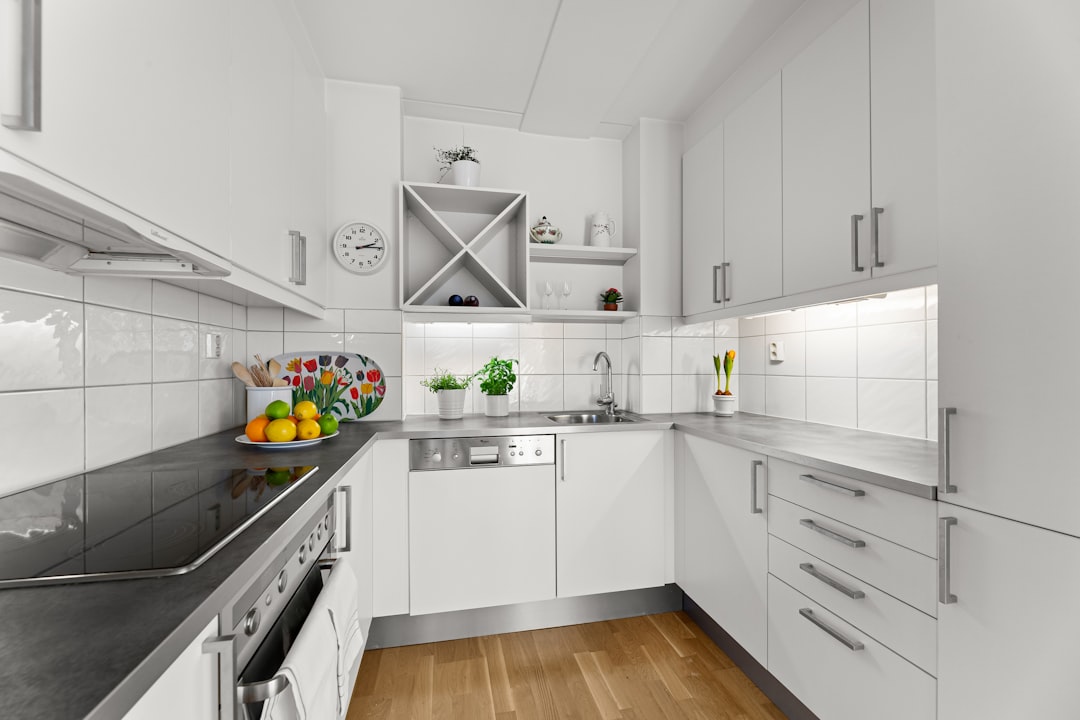
When embarking on a kitchen remodel, understanding the scope of your project is crucial. A kitchen remodel can range from a simple facelift—like painting cabinets and updating hardware—to a complete overhaul that includes structural changes, new appliances, and custom cabinetry. To effectively plan your remodel, start by identifying your goals.
Are you looking to increase functionality, improve aesthetics, or enhance energy efficiency? By clarifying your objectives, you can better determine the extent of the work required and the resources needed. Additionally, consider the layout of your kitchen.
The kitchen is often referred to as the heart of the home, and its design should reflect both your cooking habits and lifestyle. Think about how you use the space: Do you entertain often? Do you need more storage?
Are you looking for an open-concept design? Understanding these elements will help you create a functional and inviting kitchen that meets your needs. Take time to visualize your ideal kitchen and gather inspiration from various sources, such as magazines, websites, and showrooms.
This will not only help you articulate your vision but also assist in communicating your ideas to contractors or designers.
Key Takeaways
- Understand the scope of your kitchen remodel by identifying your goals and priorities for the project.
- When sequencing your kitchen remodel, prioritize structural changes and major installations before focusing on cosmetic details.
- Cost drivers for a kitchen remodel include the size of the space, quality of materials, and labor costs.
- Set a realistic budget for your kitchen remodel by researching average costs and factoring in unexpected expenses.
- Hiring a professional for your kitchen remodel is important for ensuring quality workmanship and adherence to building codes.
Sequencing Your Kitchen Remodel: What Comes First?
Sequencing your kitchen remodel is essential for ensuring a smooth and efficient process. The first step typically involves planning and design. This phase includes creating a detailed layout, selecting materials, and finalizing your budget.
Engaging with a designer or contractor during this stage can provide valuable insights into what is feasible within your space and budget constraints. Once you have a clear plan, you can move on to obtaining necessary permits and approvals, which is crucial for any structural changes. After the planning phase, the next step is demolition.
This is where old fixtures, cabinets, and appliances are removed to make way for the new design. It’s important to approach this stage with caution; ensure that any plumbing or electrical work is handled by professionals to avoid potential hazards. Following demolition, the installation of new plumbing, electrical systems, and structural elements should take precedence before moving on to cabinetry and countertops.
This sequence not only ensures that all systems are in place but also allows for a more organized workflow throughout the remodel.
Cost Drivers: What Influences the Cost of a Kitchen Remodel?
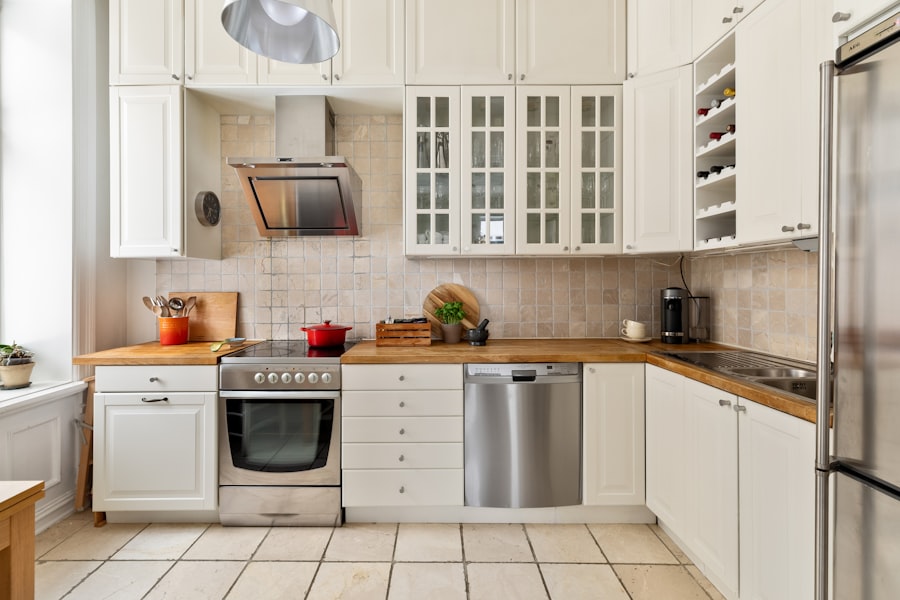
Understanding the cost drivers of a kitchen remodel is vital for effective budgeting. Several factors can significantly influence the overall expense of your project. First and foremost is the size of your kitchen; larger spaces typically require more materials and labor, which can drive up costs.
Additionally, the complexity of the design plays a crucial role. Custom cabinetry, intricate tile work, or high-end appliances can substantially increase your budget compared to more standard options. Another important cost driver is labor.
Hiring skilled professionals such as contractors, electricians, and plumbers can add to your expenses but is often necessary for ensuring quality work and compliance with local building codes. Furthermore, geographic location can impact labor costs; urban areas may have higher rates than rural regions. Lastly, unexpected issues that arise during the remodel—such as hidden water damage or outdated electrical systems—can lead to additional expenses.
It’s wise to set aside a contingency fund of about 10-20% of your total budget to accommodate these unforeseen circumstances.
Setting a Realistic Budget for Your Kitchen Remodel
Setting a realistic budget for your kitchen remodel is one of the most critical steps in the planning process. Start by determining how much you can afford to spend without compromising your financial stability. A common guideline suggests allocating about 5-15% of your home’s value for a kitchen remodel; however, this can vary based on individual circumstances and market conditions.
Once you have a baseline figure, break down your budget into categories such as cabinetry, countertops, appliances, labor, and permits. To create a more detailed budget, research average costs for each category in your area. For instance, cabinetry can range from $100 to $1,500 per linear foot depending on materials and customization levels.
Similarly, countertops can vary widely based on material choice—granite may cost between $40 to $100 per square foot while laminate could be as low as $10 to $30 per square foot. By gathering estimates from local suppliers and contractors, you can create a more accurate picture of what your remodel will entail financially. Remember to include a buffer for unexpected expenses; this will help you stay on track even if surprises arise during the renovation process.
The Importance of Hiring a Professional for Your Kitchen Remodel
Hiring a professional for your kitchen remodel can make a significant difference in the outcome of your project. While some homeowners may consider taking on the task themselves to save money, the expertise that professionals bring can often lead to better results in terms of both aesthetics and functionality. Experienced contractors understand local building codes and regulations, ensuring that your remodel complies with all necessary standards.
This knowledge can prevent costly mistakes that might arise from DIY efforts. Moreover, professionals have access to resources and networks that can streamline the remodeling process. They can recommend reliable suppliers for materials and appliances, as well as skilled subcontractors for specialized tasks like plumbing or electrical work.
Additionally, hiring a designer can help you maximize space and create a cohesive look that reflects your personal style while remaining functional. Ultimately, investing in professional help can save you time, reduce stress, and lead to a more successful kitchen remodel.
Maximizing Space and Functionality in Your Kitchen Remodel
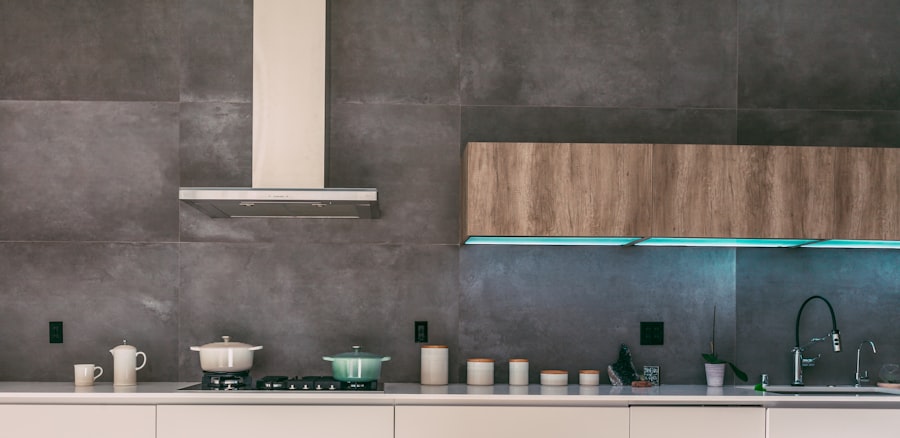
Maximizing space and functionality in your kitchen remodel is essential for creating an efficient cooking environment. One effective strategy is to consider an open-concept layout if space allows; this design not only enhances flow but also makes the kitchen feel larger and more inviting. Incorporating an island can provide additional workspace while also serving as a gathering spot for family and friends.
When designing your layout, think about the work triangle—the relationship between the sink, stove, and refrigerator—as this can significantly impact efficiency during meal preparation. Storage solutions are another critical aspect of maximizing functionality in your kitchen. Consider incorporating pull-out shelves, lazy Susans, or deep drawers to make accessing pots and pans easier.
Vertical storage options like wall-mounted shelves or hanging racks can also free up counter space while adding visual interest to your kitchen design. Additionally, think about incorporating multi-functional furniture or appliances; for example, an island with built-in storage or a foldable table can adapt to various needs without taking up unnecessary space.
Choosing the Right Materials for Your Kitchen Remodel
Choosing the right materials for your kitchen remodel is vital not only for aesthetics but also for durability and maintenance. When selecting countertops, consider factors such as heat resistance, stain resistance, and ease of cleaning. Popular options include granite for its durability and natural beauty or quartz for its low maintenance requirements.
If you’re looking for something more budget-friendly, laminate offers a wide range of styles at a lower price point. Cabinetry is another area where material choice plays a significant role in both appearance and longevity. Solid wood cabinets are often favored for their durability and timeless appeal; however, they can be more expensive than alternatives like plywood or MDF (medium-density fiberboard).
When selecting finishes, opt for materials that complement your overall design theme while also being practical for everyday use. For flooring, consider options like tile or luxury vinyl that are both stylish and resistant to moisture—essential qualities in a kitchen environment.
The Final Touches: Adding Personal Style to Your Kitchen Remodel
The final touches in your kitchen remodel are where you can truly express your personal style and make the space feel like home. Start by selecting paint colors or wallpaper that resonate with your aesthetic preferences; soft neutrals can create a calming atmosphere while bold colors can add vibrancy and energy to the space. Don’t forget about lighting—incorporating various light sources such as pendant lights over an island or under-cabinet lighting can enhance both functionality and ambiance.
Accessorizing is another way to infuse personality into your kitchen design. Consider adding decorative elements like artwork or unique dishware displayed on open shelves to showcase your style while keeping functionality in mind. Plants can also bring life into the space; herbs not only add greenery but can be practical for cooking as well.
Finally, don’t overlook small details like cabinet hardware or faucet styles—these elements may seem minor but can significantly impact the overall look of your kitchen remodel. In conclusion, embarking on a kitchen remodel requires careful planning and consideration across various aspects—from understanding the scope of work to making final aesthetic choices. By following these guidelines and prioritizing both functionality and personal style, you can create a beautiful kitchen that meets your needs for years to come.
FAQs:
What should I budget for a kitchen remodel?
Most homeowners spend 5–15% of their home’s value on a kitchen remodel, with costs influenced by size, materials, and labor.
What is the correct order of a kitchen remodel?
The sequence usually starts with planning, permits, and demolition, followed by plumbing, electrical, cabinetry, and finishes.
How do I maximize space in a small kitchen remodel?
Use smart storage solutions like pull-out shelves, vertical racks, and multi-functional islands to maximize efficiency and space.
Is it worth hiring a professional for my kitchen remodel?
Yes. Contractors and designers ensure compliance with building codes, improve functionality, and deliver higher-quality results.
What materials are best for kitchen countertops?
Granite and quartz are popular for durability, while laminate is cost-effective. Your choice depends on budget, style, and maintenance needs.