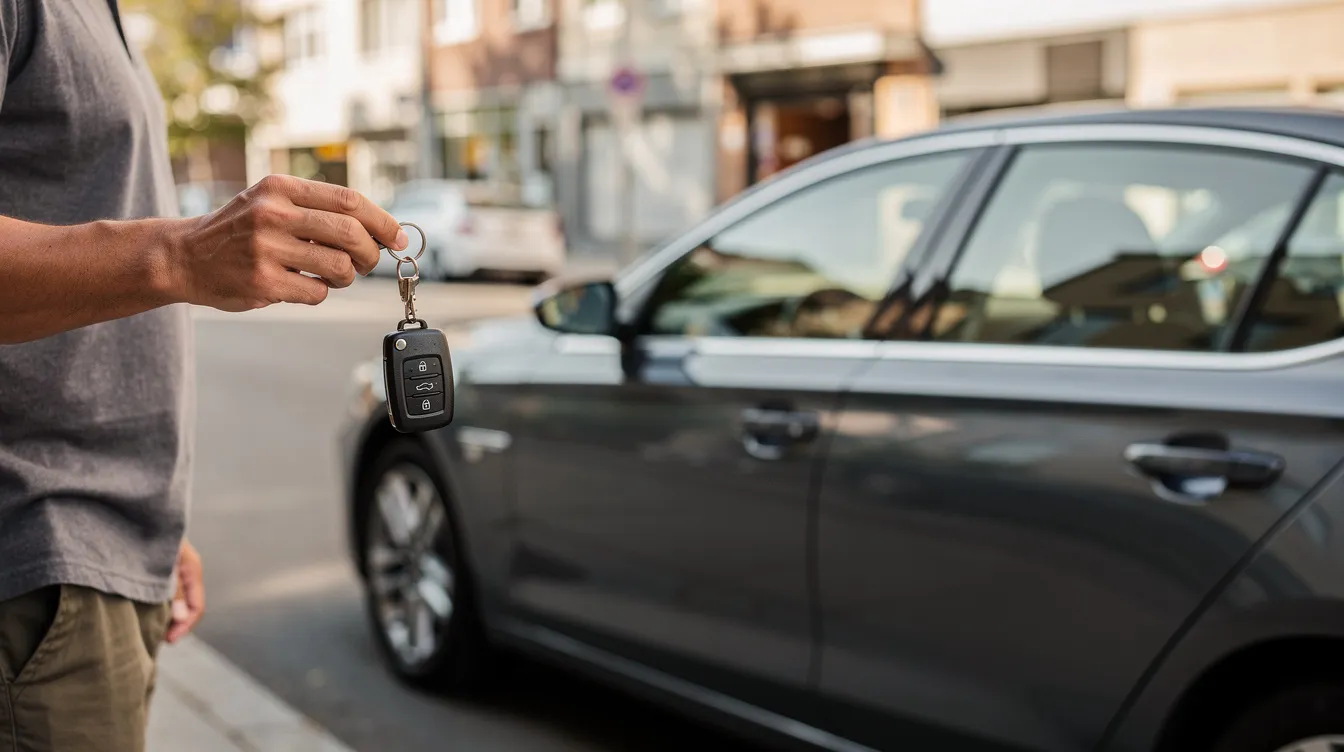
Need a car for a weekend, a work gig, a family visit, or while your own car is in the shop? That’s why people search for short term car insurance. It sounds simple: pay for the days you drive, stop paying when you’re done.
Here’s the catch: true 1-day or one week policies are rare in the U.S. True standalone short-term car insurance policies do not exist from major U.S. insurers in the way most drivers imagine. Most insurers offer six-month policies as the shortest term, then let you cancel early.
This guest article on a money management site is about budgeting as much as insurance. OCHO is an online car insurance broker that helps drivers compare quotes and spread the down payment over time, which can make short-term coverage more affordable when cash is tight.
Key Takeaways About Short Term Car Insurance
- Most U.S. companies don’t sell official daily or weekly policies, but you can use: a six month policy you cancel early, non owner car insurance if you don’t own a car, rental car insurance for trips, or pay per mile insurance.
- Liability insurance is legally required in almost every state when you drive, even for a brief period.
- Short term solutions usually cost the same “per day” as standard auto insurance rates, or sometimes more; the savings come from not keeping coverage longer than needed.
- Major insurers may refund your unused premium balance if you cancel your policy early, but cancellation fees and penalties can apply.
- Using a broker like OCHO can help you compare car insurance quotes quickly and split payments around your paycheck.
What Is Short Term Car Insurance?
Short term car insurance and temporary car insurance are informal names for car insurance you only keep for a short period, usually weeks or months. Temporary car insurance covers periods shorter than six months, but in practice, most real auto insurance policies are written for six or twelve months.
That means “temporary insurance” often means buying coverage, starting a standard policy, then stopping when you no longer need it. You can cancel a six-month policy early for a refund, depending on the insurer, state law, and policy terms.
State laws require meeting minimum liability limits for auto insurance. That includes bodily injury liability and property damage liability. For example, Illinois has required 25/50/20 limits: $25,000 per person and $50,000 per accident for bodily injury, plus $20,000 for property damage. Older California examples often show 15/30/5, but limits can change, so always check your state DMV or Department of Insurance.
Bare minimum liability coverage helps you stay legal, but it may not be enough after a serious accident. Medical bills and lawsuits can burn through low bodily injury limits fast.
When Do You Need Short Term Car Insurance?
Short term coverage makes sense when you need a vehicle temporarily and don’t want to pay for months you won’t use. Common situations include:
- Borrowing a friend’s car for a month while your own car is being repaired.
- Taking a 10-day trip in a rental car.
- Driving a car you just bought from a private seller before choosing long-term new coverage.
- Returning from college, deployment, or seasonal work and needing coverage for just a month.
- Having no own car but using car-share, a borrowed car, or rentals and wanting liability protection that follows you.
Temporary car insurance is useful for rental or borrowed vehicles, but the right solution depends on the setup. A friend’s car may be covered by permissive use, a rental company may offer rental coverage, and a driver who regularly rents may need a non owner policy.
The money goal is simple: save money without risking fines, license suspension, or a bill you can’t pay after an accident.
Can You Get Daily, Weekly, Or Monthly Short Term Car Insurance?
Most major insurers do not sell real daily or weekly term car insurance to individuals. Be cautious of online providers advertising instant one-day policies to avoid scams. Some sites are lead forms, not insurers; others may send you through a security service page, say verification successful, and then push you toward a normal six-month quote.
Monthly coverage usually works like this:
- You buy a 6-month auto insurance policy.
- You pay monthly or in installments.
- You cancel early when you no longer need coverage.
Unearned premium means the paid-for coverage you did not use. If you paid for six months and stopped halfway through, you may get about half back. But short-term policies may trigger administrative “short rate” cancellation fees, and policies that are cancelled early may incur cancellation penalties from providers.
Why Buying A 6-month Policy And Canceling Early Is A Bad Idea
This is what a lot of Americans do to get temporary car insurance for only a month or two. It is legal and compliant with state rules. But it can be terrible for your rates if it becomes a pattern.
Insurers can review reports showing your payment and insurance history. If they see repeated early cancellation, missed payments, or gaps, they may treat you as riskier. That can mean higher auto insurance rates and a larger down payment next time. It becomes a vicious circle for working people: coverage costs too much, so you cancel; then the next policy costs even more.
Some companies also charge cancellation fees or use short-rate formulas that keep more money in the first month or two. Many insurers may refund unused premium, but not always dollar-for-dollar.
Option 2: Pay‑Per‑Mile And Pay‑As‑You‑Go Coverage
Pay-per-mile and pay-as-you-go car insurance charge a low base rate plus a per-mile fee. Pay-per-mile insurance charges a base rate plus per-mile fees, and this insurance is ideal for infrequent drivers.
It is usually still a 6- or 12-month policy, but the cost follows your driving habits. That makes it act like flexible short term insurance for people who rarely drive.
Good fits include:
- Remote workers who drive occasionally.
- City drivers who mostly use transit.
- A household with a second car that sits most days.
Pay-per-mile insurance requires a device or app to track mileage. Some use plug-in devices, smartphone apps, or connected-car data, so read the privacy terms. Drivers can save up to 40% with pay-per-mile insurance, but high-mileage drivers may pay more than with a flat-rate policy.
- OCHO can help budget-conscious drivers explore pay-as-you-go options that work like flexible short term car insurance.
Option 3: Non Owner Car Insurance If You Don’t Own A Vehicle
Non owner car insurance provides liability coverage for drivers without a vehicle. This policy covers you when driving borrowed or rented cars, and it follows the person, not a specific vehicle.
A non owner policy usually includes bodily injury liability and property damage liability. Sometimes it includes uninsured motorist coverage. But non-owner policies typically do not cover damage to the vehicle driven, and they usually do not include collision or comprehensive coverage.
This can be a cost effective choice for:
- A city resident who rents a car one weekend a month.
- Someone between cars who wants continuous coverage and a cleaner insurance history.
- A driver who needs SR-22-type filing but does not own a registered vehicle.
Non-owner car insurance is generally cheaper than standard policies. These policies help maintain continuous insurance history for drivers, which can matter when you later buy your own policy. Not all insurers sell non owner coverage, so a broker like OCHO can save time.
Option 4: Relying On A Friend’s Car Insurance (Permissive Use)
In many states, insurance follows the vehicle first. Borrowing a friend’s or family member’s car typically provides coverage under their existing policy if you have permission.
That’s called permissive use. If you borrow someone else’s car for a quick errand, their liability coverage usually applies first. If you cause an accident, their policy pays bodily injury and property damage up to its limits.
But don’t treat a friend’s car like your daily commuter without checking. If you regularly borrow it or drive the car frequently, the insurer may require you to be a listed driver. Household members can also have different rules.
- Will my friend’s car insurance cover me if I drive their car? Often yes for occasional, permitted use, but both of you should confirm with the insurer.
- Example: If you borrow a friend’s sedan in Chicago or Los Angeles for a weekend, permissive use may be enough. If you use it every week, non owner coverage may be smarter.
Relying only on someone else’s low-limit policy is risky. If damages exceed the limit, the at-fault driver can still be sued.
Option 5: Rental Car Insurance For Short Trips
Rental car companies sell temporary insurance coverage for the rental period. Rental car insurance is available for the duration of the rental, and rental car insurance covers liability and collision damage.
Common options include:
- Collision damage waiver or loss damage waiver to cover damage to the rental car.
- Supplemental liability insurance to raise liability coverage.
- Personal accident insurance for medical costs.
If you have a personal auto policy, your liability, collision, or comprehensive coverage may extend to a rental car. Personal auto policies may extend to rental vehicles, but you must confirm before assuming. Credit cards may offer rental car insurance coverage too, with limits and exclusions.
Rental car insurance can be pricier than standard policies. Rental coverage might run $15–$30+ per day, which is fine for three days but painful for several weeks.
How Much Does Short Term Car Insurance Cost?
There is no single short term car price. Cost depends on age, driving record, credit in most states, ZIP code, vehicle, and whether you choose basic liability or full coverage. Coverage type decisions include basic liability or full coverage options.
Example: if a driver pays $1,800 per year, or $150 per month, keeping coverage for one month may cost around $150 plus fees. A rental car with full coverage for a week could cost $200 or more.
Short-term insurance options generally cost significantly more per day than traditional coverage. Specialty short-term policies often strictly offer basic liability coverage. The smart move is to decide how long you need coverage, compare the type of insurance coverage, and avoid extras that do not fit your risk.
OCHO helps drivers compare multiple insurers at once, find cheaper liability protection, and structure payments so buying coverage does not wreck the monthly budget.
How To Get Short Term Car Insurance Through OCHO
OCHO is a licensed digital auto insurance broker. We work with partner insurers to help drivers compare quotes, understand options, and avoid sketchy “too good to be true” short term insurance policy offers.
Here’s the simple path:
- Answer questions online about your driving history, vehicle, and how long you need coverage.
- Compare real-time car insurance quotes side by side.
- Choose minimum liability, higher limits, or add-ons like comprehensive coverage.
- Use OCHO’s interest-free financing to reduce or eliminate the down payment.
- Get instant proof of insurance for a dealership, DMV, or rental counter.
- When the need ends, adjust or cancel carefully so you are not paying for unused coverage.
OCHO can align payments weekly, bi-weekly, or monthly, helping drivers avoid overdrafts and late-fee traps. On-time payments may also help build positive credit history through certain financing arrangements.
Final Thoughts: Balancing Protection And Your Budget
Never drive without at least state-required liability insurance. Short term needs do not require shady 1-day offers or guessing whether you are protected.
The best answer might be a non owner policy, rental insurance, permissive use, pay per mile coverage, or a standard policy handled carefully. The right choice protects your wallet now and your future rates later.
If you need short term car coverage, visit OCHO to compare quotes, explore pay-as-you-go options, and set up payments in a way that supports your budget instead of breaking it.
Frequently Asked Questions About Short-Term Car Insurance
Can you buy car insurance for just one day?
Most major U.S. insurance companies do not offer true one-day car insurance policies. If you only need coverage for a single day, rental car insurance or coverage through the vehicle owner’s policy may be suitable alternatives.
Is short-term car insurance less expensive than a standard policy?
Not necessarily. While short-term coverage can reduce your overall insurance costs by limiting the coverage period, the daily cost is often higher than that of a traditional policy. Choosing liability-only coverage may help lower premiums if it meets your needs.
Do I need insurance when driving a friend’s car?
In many cases, occasional drivers are covered under the vehicle owner’s insurance policy. However, if you frequently drive borrowed vehicles or do not own a car, a non-owner car insurance policy may provide better protection.
What are the consequences of driving without insurance?
Driving without insurance can lead to serious penalties, including fines, license suspension, vehicle impoundment, registration issues, and personal liability for accident-related damages and injuries.
Does canceling a car insurance policy early affect future rates?
An occasional early cancellation typically has little impact. However, repeated policy cancellations or gaps in coverage may be viewed as higher risk by insurers and could result in higher premiums in the future.
Note: Car insurance requirements, minimum coverage limits, cancellation policies, and refund rules vary by state. Always verify current regulations with your insurance provider or your state’s Department of Insurance.

Abdul Qadeer is a freelance writer and SEO assistant for AskTheMoneyCoach.com, the award-winning financial education platform founded by Lynnette Khalfani-Cox, also known as The Money Coach.
He collaborates closely with Lynnette and the editorial team to produce accurate, actionable content focused on personal finance, credit, and wealth-building strategies.
Abdul combines his SEO expertise with a passion for financial literacy to help readers make smarter money decisions and discover trusted financial resources.